The current Ebola outbreak, which began in the Democratic Republic of the Congo (DRC) in May, has become the most geographically widespread in history, with more than 9,600 confirmed cases and over 4,600 deaths reported worldwide. The virus has spread to Uganda, Kenya and Nigeria, while France also reported a case in a doctor returning from a humanitarian mission in the DRC.
Outbreak details and spread
The outbreak was first reported in the Mongbwalu Health Zone in Ituri Province in the DRC, and is caused by the Bundibugyo virus, a rare type of Ebola for which there is currently no approved vaccine or treatment. According to TravelHealthPro, the UK government's official travel health information service, the outbreak has spread across eight provinces and 66 health zones in the DRC.
As of October 20, 9,668 confirmed cases had been reported worldwide, with 4,646 deaths recorded in the DRC. Kenya has reported nine cases, including two deaths, according to its health ministry. Nigeria has also confirmed its first case, prompting renewed efforts to stop further transmission.
Challenges in containment
Prof Paul Hunter, Professor in Medicine at UEA, told the Manchester Evening News the current Ebola situation is "mixed". He said: "In DRC it does seem that new numbers have started to decline. But the cluster of cases in Kenya raise concerns about international spread. The big difficulty with the DRC outbreak has been down to the fact that there is not a specific vaccine for this type of Ebola and also the local armed conflict."
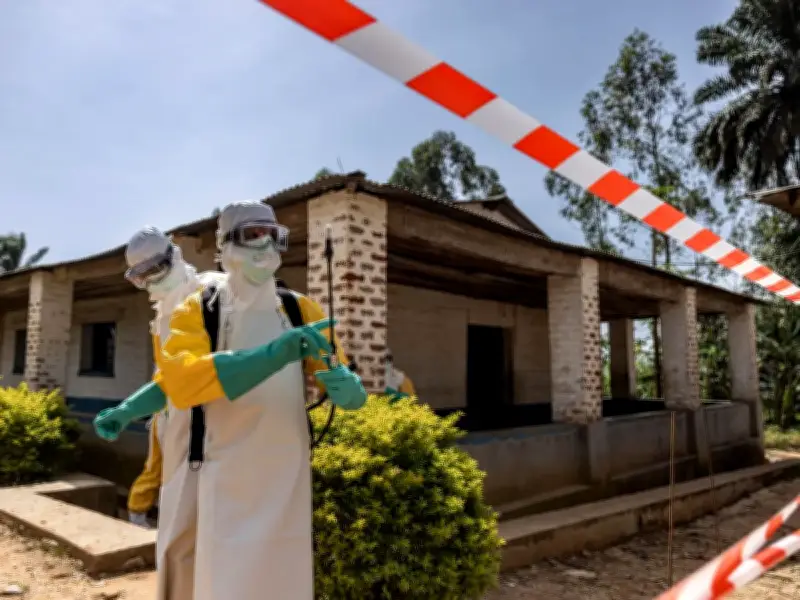
There is no specific cure for Bundibugyo virus disease. Treatment involves supportive care, including fluids and help maintaining blood pressure and oxygen levels, according to the UK Health Security Agency (UKHSA). Preventing further spread relies heavily on identifying cases quickly, isolating infected people, tracing contacts and ensuring healthcare workers use appropriate protective equipment.
Prof Hunter explained that the situation is made more difficult by ongoing armed conflict in some affected areas, noting that "there have already been several attacks on Ebola treatment centres in the country this year. This fear of violence reduces the willingness of people to seek medical attention." A nurse has been killed and another health worker seriously injured in north-eastern DRC in an attack by youths who accused them of contaminating water sources and spreading Ebola, the BBC reported. The WHO has condemned the attack, with WHO Director-General Tedros Adhanom Ghebreyesus saying health workers "must be able to carry out their duties in safety and dignity", according to the BBC.
UK risk assessment
Despite the spread across several countries, the UKHSA says the risk to the UK population from the current outbreak is low. In a blog post published earlier this month, health officials said imported cases of Ebola are extremely rare and that only four confirmed cases had been reported in the UK since 1976. There have been no deaths from the disease in the UK. The NHS has established procedures and specialist centres for managing suspected cases, should anyone arrive in the country with the infection, the UKHSA added.
Prof Hunter explained why Ebola does not spread as easily as some other infectious diseases: "Ebola is not that transmissible, and you usually have to have close contact with a case, particularly a case with severe or end stage disease, or their body fluids. This is one of the reasons why health care workers are at a particularly high risk as they care for dying patients. Actual events that could be classed as an exposure could include a needlestick injury, skin to skin contact, having blood splash on your skin, or into your mouth or eyes."
The current outbreak is a serious public health emergency for affected communities, but the low risk assessment for the UK reflects how the virus spreads.