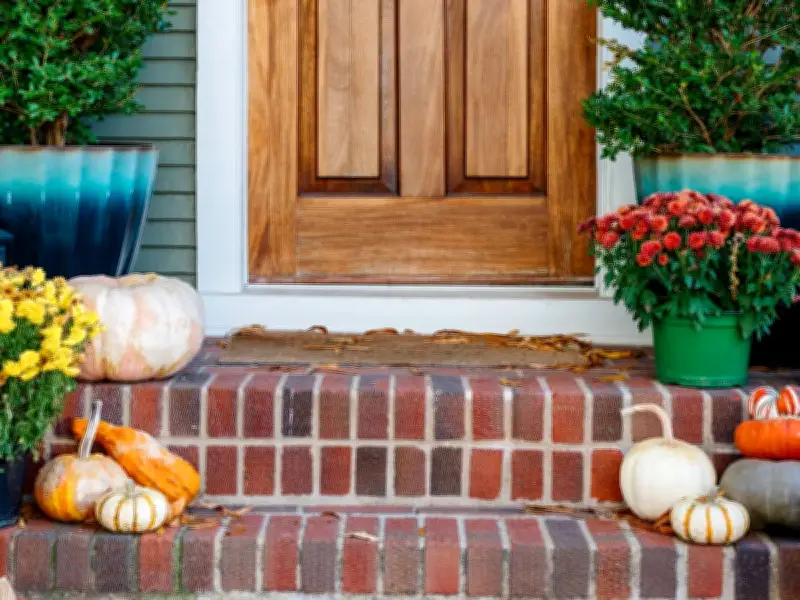
As Halloween approaches, families decorating their homes with pumpkins should know that a teal pumpkin outside your front door sends a specific message: it signals to parents of children with food allergies that non-food treats are available at your home. If you have only stocked up on sweets, you could unintentionally raise expectations among trick-or-treaters.
For many families, picking up a pumpkin from the supermarket or a local pumpkin patch is part of the Halloween tradition. While some carve their pumpkins, others prefer to paint them, particularly when young children are too little to safely handle carving knives. Painting also gives families the chance to swap the usual black, orange and purple for their favourite colours or patterns.
The Teal Pumpkin Movement
In the United States, FARE – the Food Allergy Research and Education charity – has been working to make trick-or-treating more inclusive for children with food allergies. Its teal pumpkin movement uses the colour to let families know which homes offer alternatives to sweets. Displaying a teal pumpkin therefore signals to parents of children with allergies that non-food treats are available at your door.
FARE said: "Halloween is less than two weeks away - and it's time...to go TEAL! A teal pumpkin lets families know non-food treats are available at your home. For the nearly 6 million children in the U.S. and their families living with food allergy, that small signal can be a beacon of welcome."
How to Participate
FARE added: "Taking part is simple. Set out or hang up a teal pumpkin, offer non-food treats like glow sticks, stickers or bubbles, and keep them separate from any candy you hand out. Everyone from homes to classrooms to community events can participate."
Following FARE's reminder about the initiative, numerous people responded beneath the post to share how they manage Halloween as parents of children with allergies. One person said: "When we come home we sort through his loot, work out what he can keep and then do our letter to the Switch Witch. In the morning he has a goodie. If yours are still young enough could be a good way to still give them a treat from all their tricking."
A second said: "Children have different preferences. I like this idea. As a parent of a medically complex child with sensory differences, it is great when some homes offers non-edibles like little, toys, stickers, games. I wouldn't want to separate level 6 anaphylactic items at home, we just don't take them."