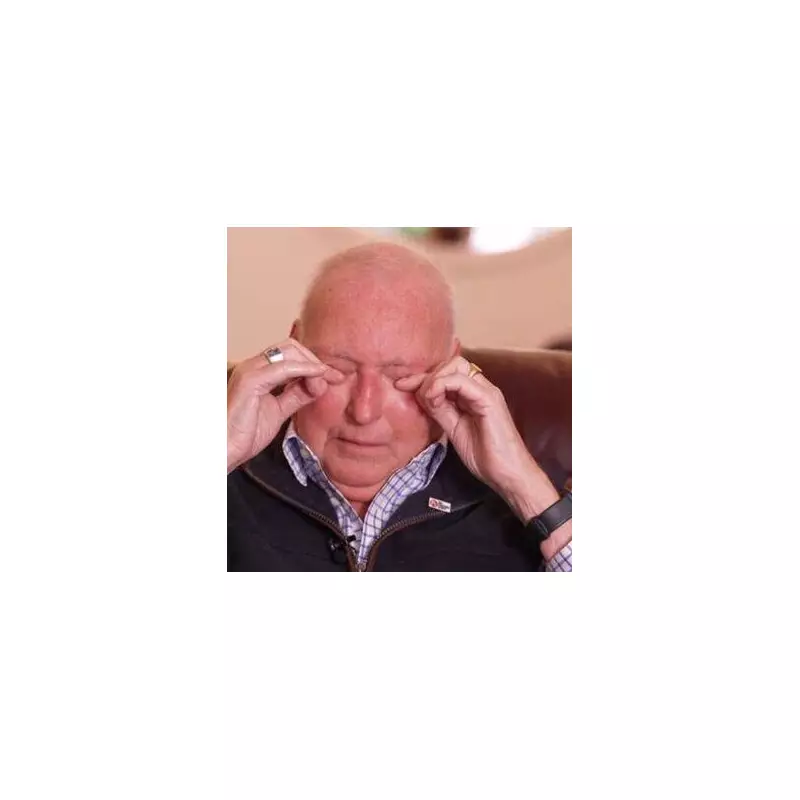
The BBC Breakfast studio was filled with raw emotion on Friday morning as hosts Charlie Stayt and Naga Munchetty conducted a deeply moving interview with a father and son who have both faced a prostate cancer diagnosis, with vastly different outcomes.
A Family's Life-Shattering Diagnosis
Guests Harry Elson and his son Jeremy shared their powerful story, highlighting how the disease has profoundly impacted their family. While Jeremy's cancer was detected early and he has since been cured, his father Harry received the devastating news that his stage four cancer is incurable.
Harry's wife, Margaret, described the moment of diagnosis as having "turned their life upside down." She revealed the profound shock, stating, "Harry and I are always so close, so loving, and to have him diagnosed with what is a...could be a terminal disease was life-shattering."

The Critical Difference of Early Detection
The interview underscored the life-saving potential of early diagnosis. Harry explained his condition with heartbreaking clarity: "I am stage four, which means to say that it's got outside of the capsule and gone into my body, into my bones, not curable."
In a stark contrast, his son Jeremy's story offers hope. Motivated by his family's history—Harry's father and uncles also died from the disease—Jeremy decided to get tested. Despite having low PSA levels, he experienced groin pain, which led to further investigations.
"They discovered it because of their interventions, as early as one can discover prostate cancer, and in my case, I've been cured," Jeremy confirmed. "The disease no longer exists to me."
Fueling the National Screening Debate
This family's personal struggle aired against a backdrop of significant national discourse. Charlie Stayt noted there are "growing calls for more prostate cancer screening in the UK," with high-profile supporters including Sir Chris Hoy and former prime ministers Rishi Sunak and Lord David Cameron.
The timing of the segment was crucial, as Naga Munchetty explained that an expert advisory panel was set to announce its decision on whether the government should introduce a formal screening programme later that very day.
The family's experience has left them with feelings of frustration and anger. Harry confessed that the disparity between his and his son's outcomes "does make me furious." Margaret echoed this, expressing her anger that the situation could have been different. "This could have been stopped if we had realised that he should have pushed a bit more at the GP," she said.
Despite the anguish, the interview also highlighted immense strength and family support. A visibly emotional Harry praised his wife, saying, "Margaret's just been a rock. She does everything. She organises me, the hospital runs, the tablets, and chemotherapy. She has been a huge support." He ended with a message of resilience for others in his position: "I want to carry that flag for people who have got stage four, say it's not the end of the road."