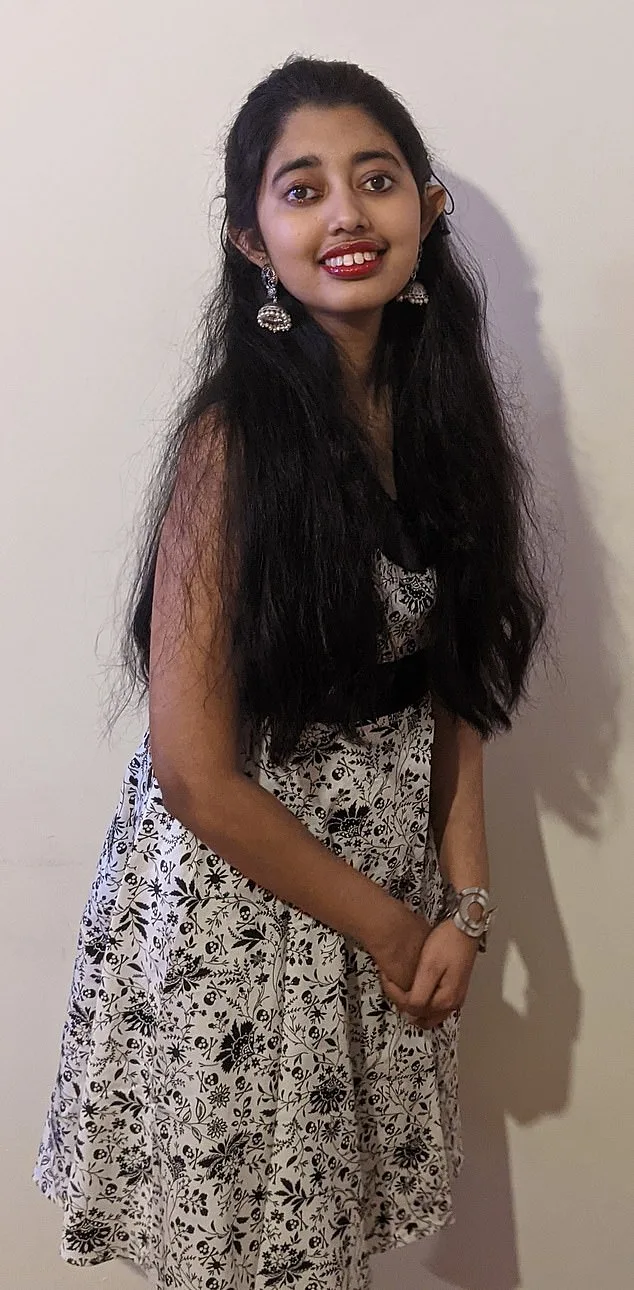
Family Campaigns for Isla's Law After Teen's Cancer Death
Family Fights for Law Change After Teen's Cancer Death

Family Demands Legal Change After Teenager's Tragic Cancer Death

A heartbroken family from Scotland is campaigning to change healthcare legislation following the death of their 17-year-old daughter from breast cancer. Mark and Michelle Sneddon believe their daughter Isla would still be alive today if her symptoms had been investigated with the same urgency as an adult's.

Delayed Diagnosis and Missed Opportunities

Isla Sneddon first sought medical attention at age 15 after discovering a lump in her breast. Doctors initially attributed this to hormonal changes and suggested it was likely benign. Two years later, when a biopsy was finally recommended, the referral was downgraded due to her young age.

By the time Isla received her breast cancer diagnosis, medical professionals informed her family she had only six months to a year to live. The cancer had already spread from her breast to her lungs, heart, and lymph nodes, making treatment extremely challenging.

Mark Sneddon expressed the family's anguish: 'We trusted what we were told. We believe that if Isla had been an adult presenting with the same symptoms, there would have been a lot more done. There would have been a longer investigation - she wouldn't have been told it was something she'd grow out of.'

A Bright Life Cut Short

Isla is remembered by her parents as a vibrant, intelligent young woman with a wonderful sense of humour. Her father described her as 'the best daughter you could ask for' and 'bright and bubbly' with a beautiful spirit that touched everyone who knew her.

The family's nightmare began in earnest during the summer of 2024 when Isla became seriously ill from her then-undiagnosed cancer. She was admitted to her local hospital in Airdrie before spending ten weeks undergoing scans and procedures at various medical facilities across Scotland.

The Devastating Reality

Mark recounted the moment they received the terminal diagnosis: 'We got to the Beatson, and a woman took us into a room and said our daughter was going to die. She had six months to a year to live. It had spread from her breast to her lungs, her heart and her lymph nodes. By the time they detected it, it was too late.'

Isla underwent six months of chemotherapy before her condition deteriorated suddenly. Her father described her final moments: 'She died in our arms in hospital. We thought we'd have a lot more time with her. It was so horrible. It's the sort of thing you see on television.'

Campaigning for Isla's Law

For the past year, the Sneddon family has been campaigning to establish Isla's Law, which would require general practitioners to ensure urgent paediatric cancer referrals are subject to the same maximum wait times as adult cancer referrals.

Their petition on Change.org has attracted more than 35,000 signatures, demonstrating significant public support for their cause. The family is scheduled to meet with Scottish Health Secretary Neil Gray next month to discuss their concerns and proposed legislative changes.

Official Responses and Guidelines

Health Secretary Neil Gray expressed his 'deepest sympathies' to the Sneddon family and confirmed the upcoming meeting. He noted that updated Scottish Referral Guidelines for Suspected Cancer were published in August, including new children and young person's referral guidelines designed to ensure appropriate and timely care pathways.

Arwel Williams, NHS Lanarkshire's director of acute services, stated that medical teams have been responding to the family's concerns through correspondence and face-to-face meetings. He maintained that Isla's treatment followed expected clinical pathways while acknowledging the devastating impact on her family.

The Sneddon family's campaign highlights ongoing concerns about paediatric cancer diagnosis and treatment within the healthcare system. Mark Sneddon summarised their motivation: 'I don't want another father or mother to feel like we do. We're empty, we're lost. If this gets passed, it can save another child from going through what Isla went through.'




