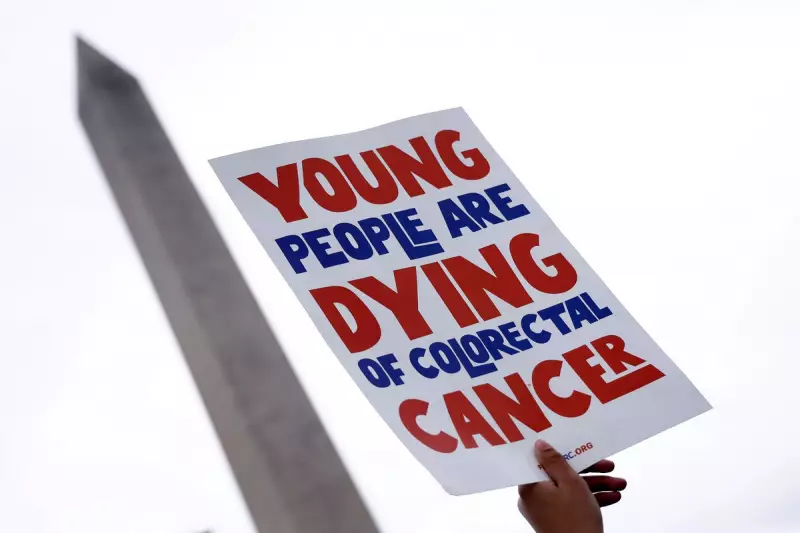
A stark new analysis published in JAMA has revealed that colorectal cancer has become the leading cause of cancer-related deaths among American adults under the age of 50, a grim milestone reached decades ahead of previous projections. This disease, which ranked only fifth in the early 1990s, now surpasses all other malignancies in this younger demographic, marking a significant and concerning shift in the nation's public health landscape.
A Disturbing Trend Defies Overall Progress
The comprehensive study, which examined data from 1990 through 2023, found that while the overall age-adjusted cancer death rate for adults under 50 decreased by a substantial 44 per cent, falling from 25.5 to 14.2 per 100,000, colorectal cancer mortality has been moving in the opposite direction. From 2005 through 2023, deaths from colorectal cancer in this age group increased by 1.1 per cent annually.
This trend stands in sharp contrast to the progress seen with other major cancers. Between 2014 and 2023, average annual death rates declined by 0.3 per cent for brain cancer, 1.4 per cent for breast cancer, 2.3 per cent for leukaemia, and 5.7 per cent for lung cancer. The rise in colorectal cancer fatalities is particularly alarming given the broader context of improved cancer outcomes.

Understanding the Scale and Symptoms
Colorectal cancer, which begins as a growth of cells in the colon or rectum—parts of the large intestine—is now being diagnosed in nearly double the number of young adults compared to just a decade ago, according to the American Cancer Society. The analysis indicates that between 1990 and 2023, nearly 1.3 million people in the United States died from cancer before reaching age 50.
Researchers emphasise that early detection is absolutely vital, as most individuals only experience noticeable symptoms once the cancer has already advanced or spread. They advise heightened public education about the unique red-flag symptoms that should prompt immediate medical consultation.
Key symptoms that oncologists urge people to watch for include:
- Bright red blood in the stool
- Persistent abdominal pain or cramping
- Unexplained weight loss
- Chronic fatigue and weakness
- Changes in stool shape or consistent bowel habits, such as diarrhoea or constipation
- Anaemia, often indicated by persistent paleness or shortness of breath
- A persistent feeling of fullness or difficulty passing gas
A Call for Earlier Screening and Awareness
The study's authors note that their findings are consistent with other reports showing increased colorectal cancer mortality among adults younger than 50 across most racial and ethnic groups. A critical factor in this troubling trend is that most patients diagnosed before age 50 already have advanced disease by the time it is detected.
In response to these findings, researchers are strongly advocating for two key public health measures. First, they call for enhanced education campaigns focused specifically on the symptoms that should alert younger adults to seek medical evaluation. Second, they reinforce the current recommendation that screening for colorectal cancer should begin at age 45 for average-risk individuals, a guideline that was lowered from the previous age of 50 in recognition of this growing threat to younger populations.
This shift represents a significant public health challenge, underscoring the need for greater awareness, timely screening, and continued research into why this particular cancer is increasingly affecting younger Americans at such a devastating rate.