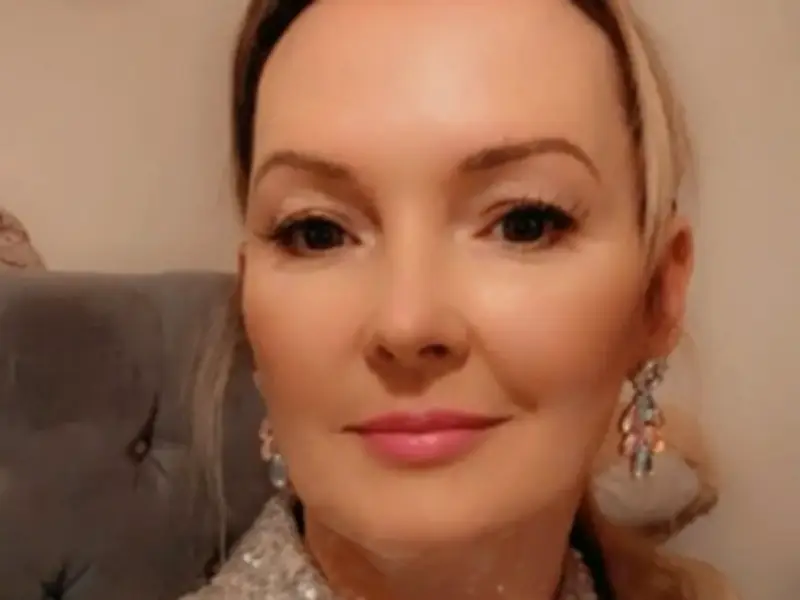
Lisa Hier, 52, from Bridgend, was diagnosed with stage three breast cancer in 2025, just two years after routine screening found no issues and she was told no further action was needed.
Over the last decade, Lisa has had numerous health scares. On more than one occasion, she found changes in her breast and booked appointments and scans, hoping she wouldn't be told it was cancer. After multiple appointments came back clear, she felt secure in the knowledge that she knew about what was going on in her body and was able to go about her day-to-day life as normal.
That was until she identified changes and underwent further testing in 2025, testing that found something more sinister. Lisa was told she had stage three breast cancer, something that turned her life "upside down".
Diagnosis after years of clear results
"One minute I was living a normal life and making plans for the future," the 52-year-old said. "The next I was facing major surgery, chemotherapy, radiotherapy and countless hospital appointments."
"Cancer affects every part of your life. It affects your health, your confidence, your work, your relationships and your ability to simply enjoy the things you once took for granted."
Lisa says she first underwent a mammogram in 2017, when she attended a breast clinic after finding changes in her left breast. After the mammogram and an ultrasound scan, she says she was later discharged. She said she later attended routine screening in 2023 and was told no further action was required. After noticing further changes in late 2025, Lisa visited her GP and underwent further tests before being diagnosed with stage three breast cancer in December.
Raising awareness about dense breast tissue
Lisa is now speaking about her experience in the hopes of raising awareness about dense breast tissue. She said she had not known how dense breast tissue can potentially make mammograms harder to interpret and reduce the sensitivity of screening.
According to Cancer Research UK, around 10% of women have very dense breasts, which means they have more fibrous and glandular tissue and less fatty tissue than other women. The organisation says that between the ages of 50 and 70, women with very dense breasts are up to four times more likely to develop breast cancer than women with low breast density. Their breast cancers are also harder to see in mammograms, they said.
Lisa, who works as an administrator, said: "Before my diagnosis, I knew very little about dense breast tissue or the impact it could have on screening. Like so many women, I attended appointments when invited and trusted the information I was given."
"It was only after being diagnosed with cancer that I started learning more about breast density and reading about the recognised limitations of mammography in women with dense breast tissue."
Investigating her care and screening history
Lisa has since undergone a mastectomy, chemotherapy, radiotherapy and lymph node surgery and has been advised she will require long-term medication.
Lisa said her main reason for speaking publicly about her experience is to encourage greater discussion around dense breast tissue and the information women receive about mammograms.
"[Reflecting during treatment] made me realise how little I knew about dense breast tissue before my diagnosis and whether other women are in the same position," she said.
"What shocked me most wasn't what I didn't know. It was realising how many other women probably don't know either."
"Screening is incredibly important and I would encourage every eligible woman to attend when invited. But I also believe women deserve clear, transparent information that helps them understand what screening can and cannot tell them, particularly when it comes to dense breast tissue."
"I still want answers regarding my own experience and that's something I continue to pursue. If sharing my story encourages even one woman to learn more, ask questions, seek advice or feel more informed about her own health, then something positive can come from what has been an incredibly difficult journey."
After health bosses found no failings in her care, Lisa instructed lawyers at Irwin Mitchell to carry out a separate investigation into her care and screening history.
Sarah Jayne McGowan, the lawyer at Irwin Mitchell representing Lisa, said: "The last few months have been incredibly difficult for Lisa as she comes to terms with her diagnosis, the treatment she has undergone and the life-changing impact of her cancer."
"Understandably, she continues to have questions regarding her experience. We're now investigating those concerns to help provide Lisa with the answers she deserves."
"What has become clear in working with Lisa is her determination to raise awareness of an issue that many women may know very little about."
"Screening remains one of the most important tools available in the fight against cancer and eligible women should continue attending appointments when invited."
"However, it's recognised that dense breast tissue can make mammograms harder to read and can lower the accuracy of tests in some women."
"For Lisa, this is about ensuring women have access to clear information so that they can make informed decisions about their health, understand the questions they may wish to ask and feel empowered to take an active role in their own care."
A spokesperson for Cwm Taf Morgannwg University Health Board said: "As this is part of an ongoing case, it would not be appropriate for us to comment on the care received by Ms Hier. Our teams are in touch with her directly."