AI in Breast Cancer Screening Boosts Early Detection by 12%, Landmark Study Reveals
A groundbreaking Swedish study has demonstrated that artificial intelligence can significantly enhance breast cancer screening, reducing the rate of cancer diagnoses in subsequent years by 12% and improving early detection. This research, the largest of its kind to date, offers promising insights into how AI might support radiologists in the fight against one of the most common cancers affecting women globally.
Study Details and Methodology
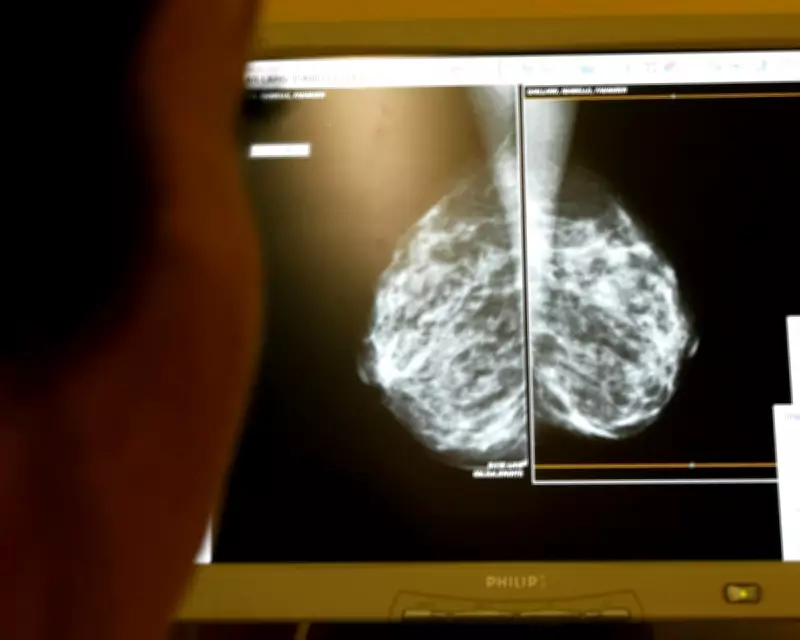
The trial involved 100,000 women in Sweden who underwent mammography screening between April 2021 and December 2022. Participants were randomly assigned to one of two groups: an AI-supported screening group or a control group where mammograms were read by two radiologists without AI assistance. The AI system analysed the mammograms, assigning low-risk cases to a single radiologist for review and high-risk cases to a double reading, while also highlighting suspicious findings to aid the radiologists in their assessments.
Key Findings and Statistical Insights
According to the study, published in The Lancet, AI-supported mammography led to a notable reduction in cancer diagnoses post-screening. Specifically, there were 1.55 cancers per 1,000 women in the AI group, compared to 1.76 cancers per 1,000 in the control group. More impressively, early detection rates saw a significant boost, with 81% of cancers in the AI group detected at the screening stage, versus 74% in the control group. Additionally, the AI group showed a 27% decrease in aggressive subtype cancers, underscoring the potential for AI to identify more dangerous forms of the disease earlier.

Expert Perspectives and Cautions
Dr Kristina Lång, the lead author from Lund University in Sweden, highlighted the dual benefits of AI in mammography. "Widely rolling out AI-supported mammography could help reduce workload pressures among radiologists and detect more cancers at an early stage, including aggressive subtypes," she said. However, she urged caution, noting that "introducing AI in healthcare must be done cautiously, with tested tools and continuous monitoring to ensure its effectiveness across different screening programmes over time."
Dr Sowmiya Moorthie, a senior strategic evidence manager at Cancer Research UK, echoed this sentiment, calling the findings promising but emphasising the need for further research. "This study helps address concerns about AI missing cancers, but as it's from a single centre, more research is needed to confirm if it will save lives," she stated. She added that with rising cancer diagnoses, innovations like AI are vital for improving healthcare systems such as the NHS, but they must be properly evaluated to avoid harm.
Broader Implications and Future Directions
Simon Vincent, chief scientific officer at Breast Cancer Now, underscored the trial's significance, saying, "This first trial underlines the huge potential of AI to support radiologists in breast cancer screening. Early detection is crucial for successful treatment, and this study shows real promise for saving lives." He pointed to ongoing trials in the UK exploring AI use within the NHS breast screening system as key to determining the safest and most effective applications.
Breast cancer remains the leading cause of death for women aged 35 to 50, with over 2 million global diagnoses annually. While the study highlights AI's benefits, researchers stress that it should not replace healthcare professionals; instead, it should serve as a tool to augment radiologists' expertise, ensuring at least one human remains involved in the reading process.