Vegetarians Exhibit Significantly Reduced Cancer Risk Across Five Major Types
A groundbreaking new study has found that individuals who follow a vegetarian diet have a substantially lower risk of developing five distinct types of cancer when compared to those who regularly consume meat. This research, which analysed extensive health data, highlights the profound impact of dietary choices on long-term health outcomes and cancer prevention.
Key Findings from the Comprehensive Health Analysis
The study, conducted by a team of researchers, examined the dietary habits and health records of a large cohort over several years. It specifically identified that vegetarians showed a markedly reduced incidence of breast cancer, prostate cancer, colorectal cancer, lung cancer, and stomach cancer. The risk reduction was statistically significant, with some cancer types showing a decrease of up to 20% among vegetarian participants.
This correlation suggests that plant-based diets may offer protective benefits against these common cancers, potentially due to higher intake of fibre, antioxidants, and other nutrients found in fruits, vegetables, and whole grains. In contrast, diets high in processed and red meats have been linked to increased inflammation and other factors that can elevate cancer risk.

Implications for Public Health and Dietary Guidelines
The findings have important implications for public health strategies and nutritional recommendations. Health experts are now calling for greater emphasis on plant-based eating in cancer prevention campaigns, urging individuals to consider reducing meat consumption as part of a holistic approach to lowering cancer risk.
While the study does not prove causation, the strong association between vegetarianism and reduced cancer incidence warrants further investigation into the mechanisms involved, such as the role of specific compounds in plant foods or the avoidance of carcinogens in meat products. Researchers plan to conduct follow-up studies to explore these factors in more detail.
Practical Advice for Individuals Seeking to Lower Cancer Risk
For those looking to adopt a healthier diet based on these findings, experts recommend gradually increasing the proportion of plant-based foods in meals. This can include:
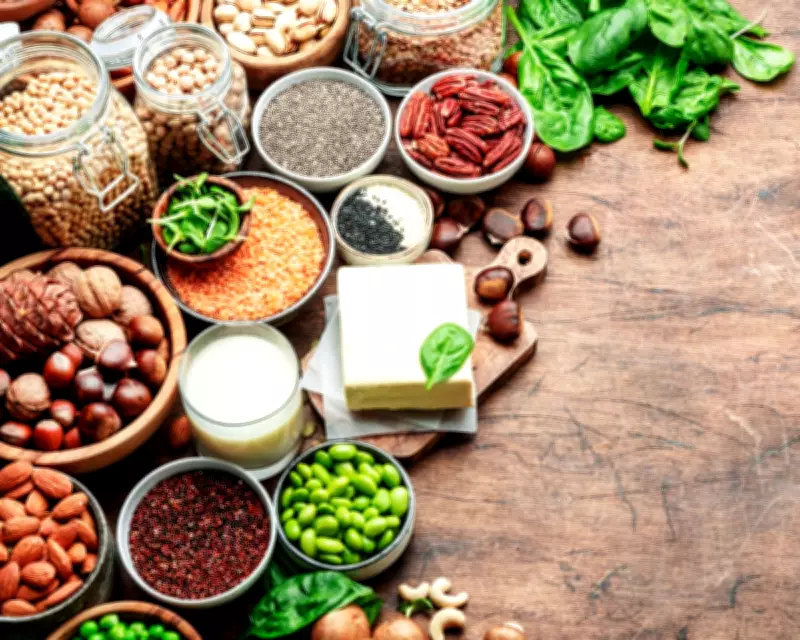
- Incorporating more legumes, nuts, and seeds for protein.
- Choosing whole grains over refined carbohydrates.
- Eating a variety of colourful fruits and vegetables daily.
- Limiting intake of processed meats and high-fat animal products.
It is also advised to consult with healthcare professionals before making significant dietary changes, especially for individuals with existing health conditions. The study underscores that while diet is a key factor, overall lifestyle—including regular exercise, avoiding smoking, and moderating alcohol—plays a crucial role in cancer prevention.
In summary, this new research adds to a growing body of evidence supporting the health benefits of vegetarian diets, particularly in reducing the risk of multiple cancer types. As cancer remains a leading cause of mortality worldwide, such insights could inform future public health initiatives and empower individuals to make informed dietary choices for better long-term health.