Groundbreaking research has unveiled a compelling paradox in dietary habits, demonstrating that individuals who follow an unprocessed diet consume significantly fewer calories overall, despite eating a greater mass of food. This study, which sheds light on the complex relationship between food processing and energy intake, offers fresh insights into how dietary choices impact health and weight management.
Key Findings from the Dietary Study
The investigation revealed that participants adhering to an unprocessed diet consumed an average of 330 fewer calories per day compared to those on an ultra-processed diet. Remarkably, these individuals also ate 50 per cent more food by mass, suggesting that the type of food consumed plays a crucial role in calorie density and satiety.
The Role of Nutritional Intelligence
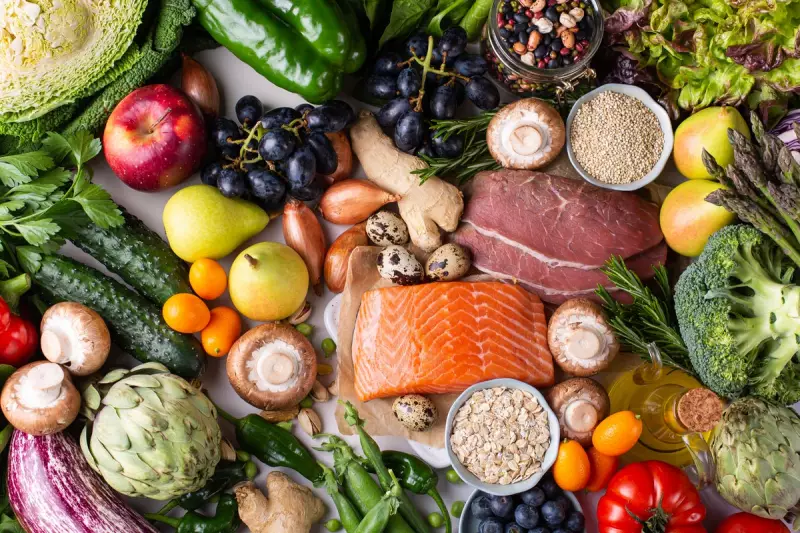
Researchers propose that this phenomenon is linked to an inherent 'nutritional intelligence' that guides people towards foods rich in essential micronutrients. When individuals prioritise wholefoods, such as fruits and vegetables, they naturally select options that are less calorie-dense but more nutrient-packed, leading to reduced overall energy intake.

Implications for Ultra-Processed Foods
Experts indicate that ultra-processed foods tend to encourage higher-calorie choices, which can contribute to excess energy consumption and potentially fuel obesity rates. These foods often lack the fibre and nutrients found in wholefoods, making it easier to overconsume calories without feeling full or nourished.
Practical Insights for Healthier Eating
The study underscores the importance of focusing on food quality rather than simply restricting quantity. By incorporating more unprocessed items into daily meals, individuals may find it easier to manage their calorie intake while still enjoying satisfying portions. This approach aligns with growing evidence that supports the benefits of a wholefood-based diet for long-term health and weight control.
As dietary guidelines continue to evolve, this research adds to the conversation about how processing affects our eating behaviours and overall well-being, offering a nuanced perspective on achieving balanced nutrition.