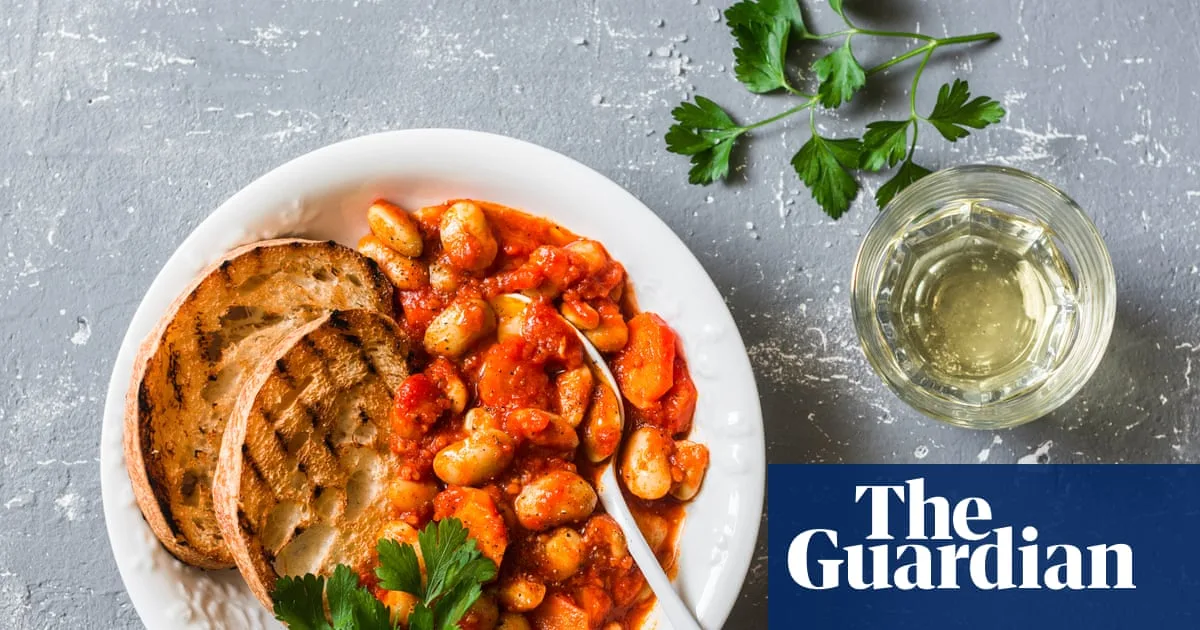
Forget the old playground rhyme about their musical effects. A powerful body of scientific evidence now suggests that beans are a genuine superfood, capable of lowering cholesterol, reducing blood pressure, aiding weight loss, and even contributing to a longer, healthier life.
National Campaign Backed by Celebrity Chefs
Recognising these benefits, health officials and celebrity chefs in Britain are now championing a major dietary shift. Jamie Oliver, Hugh Fearnley-Whittingstall, and Tom Kerridge have all lent their support to a new nationwide initiative called Bang in Some Beans. The project has an ambitious target: to double bean, pulse, and legume consumption across the UK by 2028.
The campaign has its work cut out. Current data reveals that two-thirds of the UK population eats less than one portion of beans per week. This is despite a wealth of research connecting regular bean consumption to a reduced risk of chronic diseases like type 2 diabetes and heart disease, protection against colon cancer, and better weight management.
The Science Behind the Humble Bean
Studies consistently show that people who regularly eat beans have lower body weight, smaller waist circumferences, and healthier blood pressure than those who don't. The secret lies in their impressive nutritional profile. All beans are packed with both soluble and insoluble fibre.
Soluble fibre binds to cholesterol in the gut, helping the body to excrete it, thereby lowering 'bad' cholesterol levels. Fibre also improves digestive health and helps stabilise blood sugar. The high fibre content is, however, the reason beans can cause initial gas or bloating, especially for those not used to it.
Nutritionist Emma Shafqat explains that the British diet is generally fibre-deficient, with most people failing to hit the recommended 30g daily intake. "The more fibre you eat, the better your gut bacteria will be at digesting it in the future," she said. She advises starting with small servings and spreading intake throughout the day to help the body adjust.
Beans: The Blue Zone Connection and a Bean-by-Bean Guide
The life-extending potential of beans is highlighted in the diets of people living in the world's 'Blue Zones'—regions with exceptionally high numbers of centenarians. These communities typically consume around one cup of beans every day.
So, which beans offer the biggest health punch? Here’s a breakdown of some of the most beneficial varieties:
Haricot Beans: The star of every tin of baked beans, these small, cream-coloured legumes (also called navy beans) provide 90-110 calories, 6-8g of protein, and around 7g of fibre per 100g cooked. Ms Shafqat notes that baked beans can be a "super good option" for children, though homemade versions avoid the added sugar and salt of some shop-bought sauces.
Black Beans: Topping the charts for fibre, a cooked cup of black beans delivers roughly 15g of fibre—about half the daily adult requirement. They are also rich in magnesium and folate. A 100g serving has 130-132 calories and 8-9g of protein.
Chickpeas: A powerhouse of plant-based protein, offering a hefty 9g per serving, alongside high levels of folate (vitamin B9). Folate is crucial for red blood cell production, DNA health, and is especially important in pregnancy. "You can whip them into hummus... or fry them to make a crispy snack," suggests Ms Shafqat.
Kidney Beans: Mineral-rich and a great source of iron and potassium, with 9g of protein per 100g for just 127 calories. Ms Shafqat advises eating them with a vitamin C source (like tomatoes) to enhance iron absorption. Their low glycemic index helps stabilise blood sugar, aiding diabetes management.
Cannellini & Butter Beans: These white beans boast the highest potassium content of all legumes, a nutrient vital for blood pressure control that many Britons lack. Butter beans are also the best source of magnesium. Their creamy texture makes them ideal for blending into soups or sauces.
The evidence is clear: incorporating more of these versatile, affordable legumes into the national diet could be a simple yet transformative step for public health in Britain.




