Scottish Shortbread Showdown: Traditional Recipe Triumphs Over Mary Berry's Version
Homemade biscuits consistently surpass their shop-bought counterparts in both flavor and satisfaction. While baking requires additional effort, shortbread stands out as an exceptionally quick and simple treat to accompany your tea. This classic Scottish crumbly biscuit, traditionally crafted from just sugar, butter, and plain flour, demands no specialized equipment—merely a mixing bowl, baking tray, and your hands.
Comparing Two Notable Shortbread Recipes
Having prepared shortbread on multiple occasions, two recipes particularly distinguished themselves: one from Scottish ex-bakery owner Jules Grasekamp and another from renowned baker Mary Berry. A detailed comparison revealed a definitive victor regarding that essential melt-in-the-mouth quality.
Mary Berry's Shortbread Recipe: An Innovative Twist
While traditional shortbread relies solely on butter, flour, and sugar, Mary Berry introduces a fourth ingredient: semolina. She advocates combining semolina with flour to achieve a satisfying crunch, noting that cornflour or ground rice serve as suitable alternatives.

The semolina imparted a pleasantly sweet, subtly nutty flavor alongside an enhanced crunch to the finished biscuit. However, this recipe necessitates more time, as the dough requires chilling in the refrigerator, and baking takes longer due to Berry's recommendation of a lower oven temperature.
Despite the semolina's positive contributions to both flavor and texture, the biscuit felt slightly dry—a characteristic that deviates from the ideal experience of a classic shortbread.
Classic Scottish Shortbread from Jules Grasekamp: Perfection in Simplicity
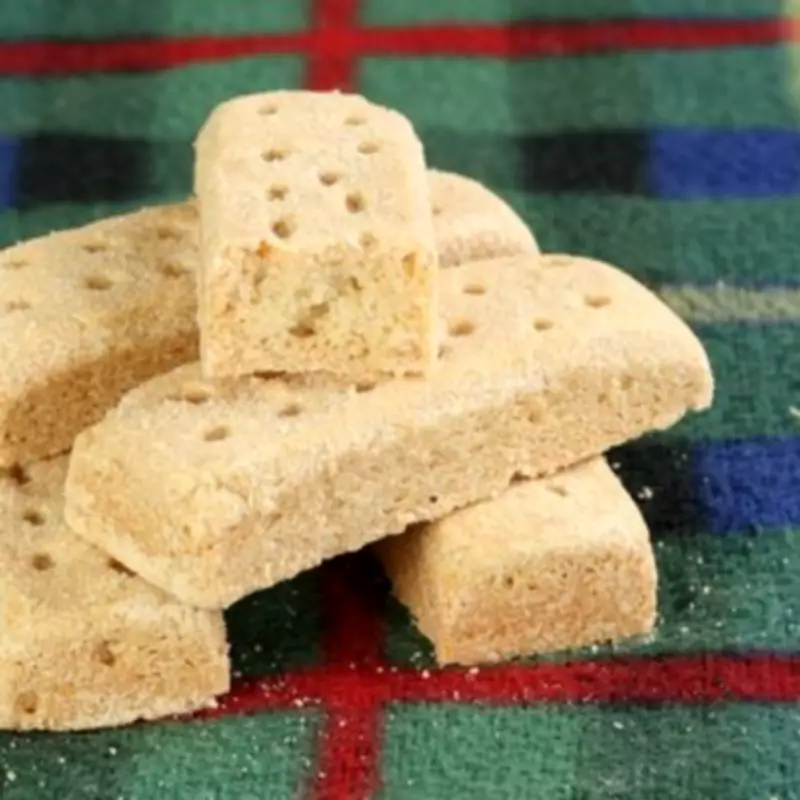
This traditional shortbread recipe encapsulates all the desired qualities of an impeccable batch: thick, crumbly, and utterly divine with every bite. Requiring only three ingredients, it remains incredibly straightforward to prepare while consistently delivering on flavor and satisfaction.
The key to mastering this recipe lies in ensuring the butter is at room temperature and avoiding overworking the dough, which preserves that wonderfully crumbly consistency. Beyond its exceptional taste and texture, this recipe bakes in just 30 minutes and eliminates the need for pre-baking refrigeration of the dough.
In conclusion, while Mary Berry's version offers an interesting twist with semolina, Jules Grasekamp's traditional Scottish shortbread emerges as the clear winner, providing a superior melt-in-the-mouth experience that defines this beloved biscuit.