Bindweed is a notorious plant to deal with, but if it is not removed correctly, it can keep growing back repeatedly. Gardeners across the country face common weed issues, and with longer days and rising temperatures, these plants can run rampant. While most weeds are aesthetically unappealing, bindweed poses a particular threat to other plants.
Understanding Bindweed
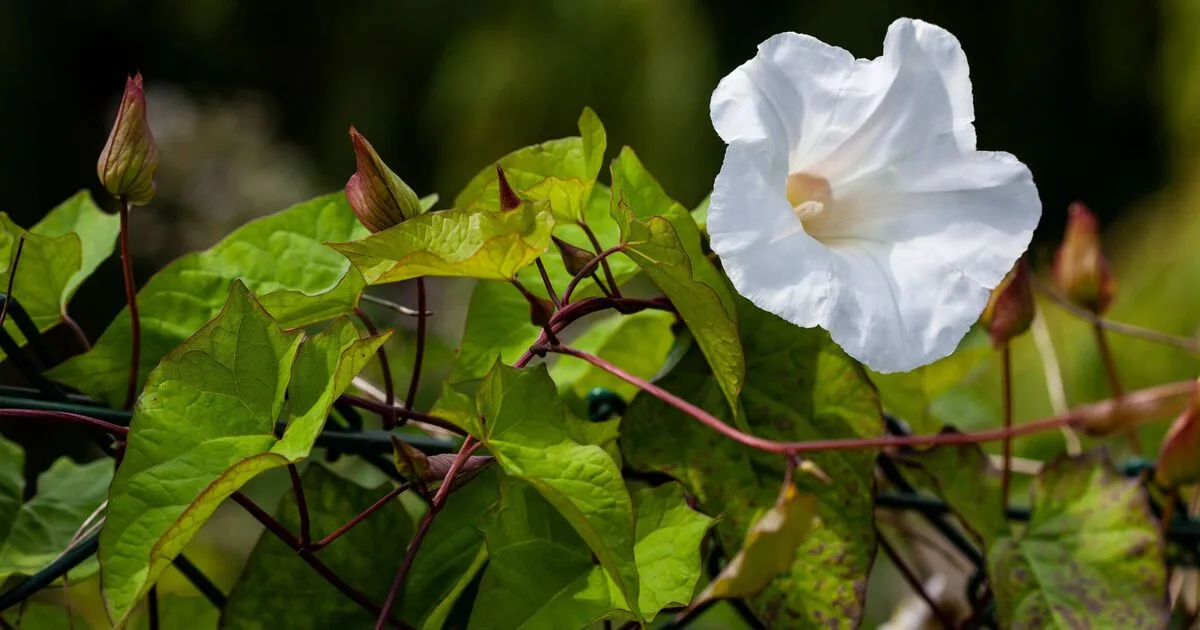
Bindweed can be identified by its incredibly long twining stems and large white trumpet-shaped flowers. It grows to form a large mass of foliage, choking garden plants, reducing their growth, or killing smaller plants entirely. The weed's extensive roots make removal difficult, and if all roots are not removed, the plant will keep returning. Gardeners often underestimate the length of the root system underground.
The Royal Horticultural Society explains that bindweed competes with other plants for moisture, nutrients, space, and light. If left unchecked, its stems can smother other plants due to deep, extensive roots, making it particularly tricky to eradicate.
How Bindweed Spreads
Bindweed spreads throughout gardens when new plants or soil containing root fragments are introduced. Once introduced, the roots can spread quickly. They can also be spread through composting the roots or accidentally chopping them when digging up plants.
Expert Removal Method
Gardening expert and TikTok creator Ish recently shared the best method for removing bindweed. He emphasised that gardeners should dig up the entire root, leaving nothing behind. Ish stated: "If you have problems with bindweed in your garden and you’ve always wondered why it keeps coming back, here’s the root of it. As you can see, it just keeps going and going."
He continued: "If you leave even just that bit there, that will grow into a whole new bindweed again and again. The best thing you can do to prevent it from growing is to overplant over it. Restrict the light, so when some of these small shoots come out, they are not being fed by the light; they only have what the roots are giving them. By repeatedly digging them up and taking them away, starving them of light, you will help get rid of it."
Additional Recommendations
The Royal Horticultural Society also recommends deadheading the plants before they have a chance to produce seeds, forking out any seeds that appear in spring and autumn, or lifting border plants, clearing the ground, and replanting.
If using a weed killer, Ish previously advised using a natural-based solution made of water, salt, and white vinegar. This helps dehydrate the plant substantially but does not kill the root. Some natural weed killers may target the root, but gardeners should be cautious of weed killers that break down microorganisms in the soil.