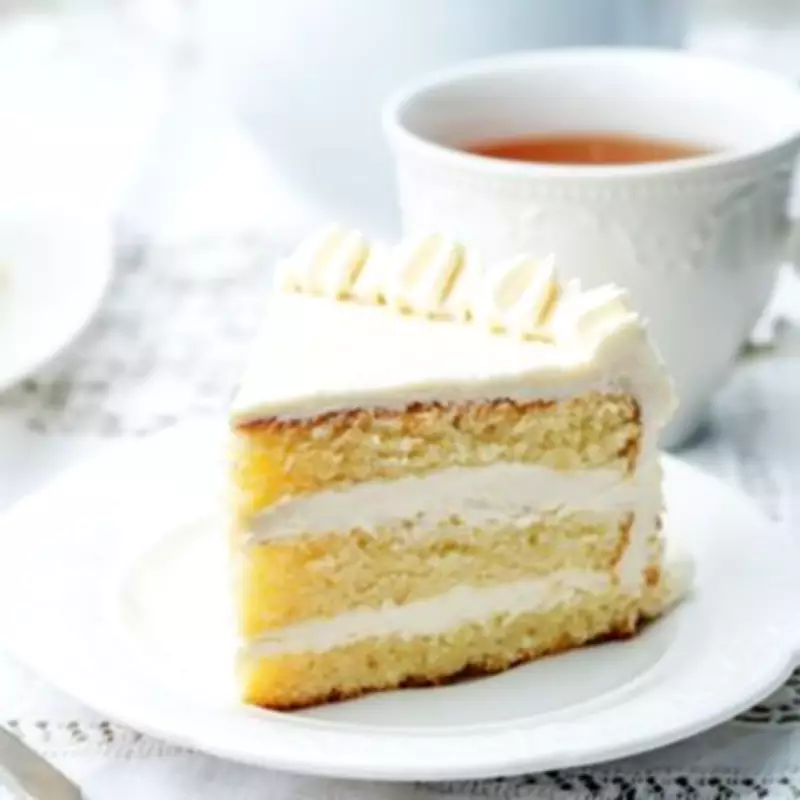
Baking remains a cherished weekend activity that offers endless creative possibilities, from simple treats to elaborate confections. However, achieving the ideal cake texture can be a common challenge for many home bakers. A surprising fridge staple—sour cream—has emerged as a game-changing ingredient that guarantees fluffy and moist results every single time.
The Expert Endorsement: Why Sour Cream Works Wonders
Food writer Molly Adams has championed sour cream as a versatile addition to various baked goods, noting it makes a "noticeable difference" in items like bread and biscuits. She highlights insights from pastry chef Nicole Redd-McIntosh, owner of Nicole Bakes Cakes, who explains that sour cream introduces moisture and creates a finer crumb texture in cakes and muffins.
The Science Behind the Magic
Wet ingredients play a crucial role in baking by providing fat for richness and promoting tenderness when combined with flour. Molly elaborates that these mixtures react with leavening agents such as baking powder and baking soda, helping baked goods rise and become light and fluffy in the oven.

Sour cream stands out due to its thicker consistency and higher fat content compared to milk. This thickness allows it to add substantial moisture without thinning the batter, unlike milk or buttermilk. Additionally, sour cream contains natural acidity, which imparts a tangy flavour and reacts with baking soda and flour to produce a crumbly texture, resulting in a moister and softer bite.
Practical Tips for Incorporating Sour Cream
While sour cream excels in vanilla and chocolate cakes as well as certain bread recipes, it is not suitable for all baking endeavors. Nicole advises caution, as baking recipes are meticulously balanced; adding sour cream without adjustments can disrupt this equilibrium, potentially causing cakes or quick breads to sink in the middle from excess moisture.
To experiment safely, start with a small amount—such as two tablespoons—added to cake, muffin, or quick bread batter without altering other ingredients. This minor adjustment can immediately enhance moisture and texture. For larger batches, reduce another liquid to accommodate the sour cream; for instance, if a recipe calls for one cup of milk, substitute with half a cup of milk and a third of a cup of sour cream.
Choosing and Preparing Sour Cream
Molly recommends using full-fat sour cream to ensure a rich flavour and solid structure in cakes. It is also advisable to allow the sour cream to reach room temperature before use, as this promotes even mixing and optimal baking outcomes. By following these guidelines, bakers can consistently achieve professional-quality results with this humble fridge ingredient.