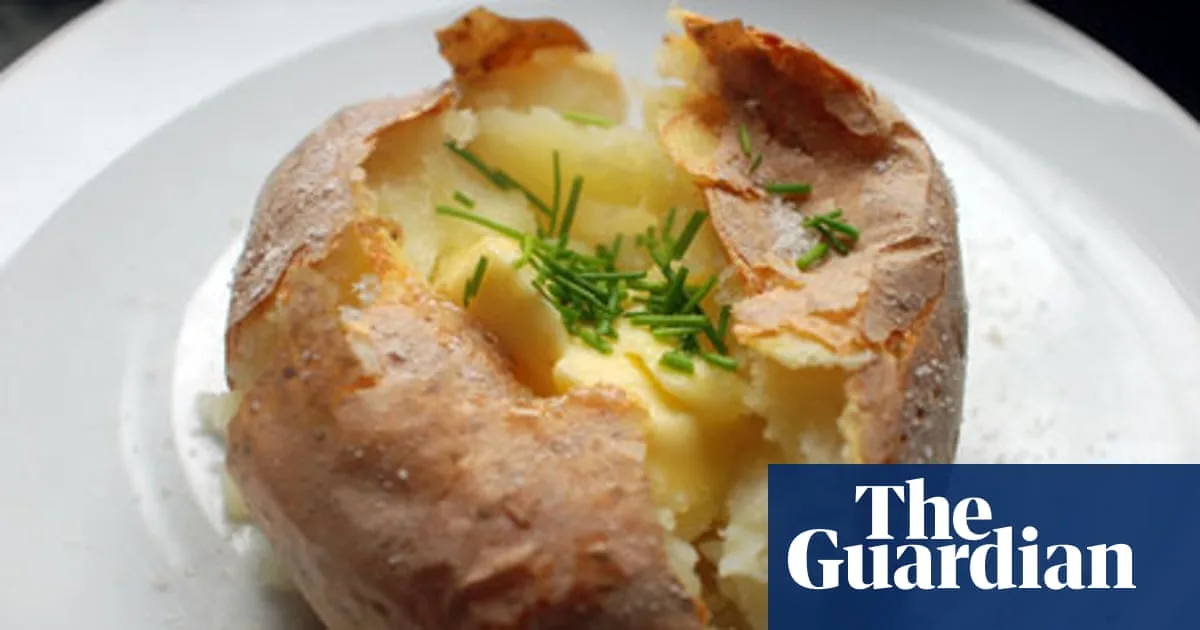
For many across the UK, the humble jacket potato is a beloved, fuss-free dinner staple. Yet, the disappointment of pulling a soft, soggy spud from the oven is an all-too-common kitchen fail. The quest for that ideal combination of a shatteringly crisp skin and a light, fluffy interior may be simpler than you think, with the secret hiding in plain sight in your kitchen cupboard.
The Simple Secret: A Generous Coat of Salt
According to a report in the Express, the key to culinary potato perfection lies not in fancy equipment, but in a generous application of a common seasoning. Jeanine, the cookbook author behind Love & Lemons, champions a salt-crusted method that she says "changed everything" for her. She explains that this approach elevates the potato to become the star of the show.
"Don't get me wrong, a little butter or sour cream goes a long way here," Jeanine notes, "but the potatoes come out of the oven with perfectly crispy, flavorful skins and creamy, piping hot interiors that taste delicious as they are."
Why Salt Makes All the Difference
The science behind this technique is straightforward. Potatoes naturally contain a high water content. When coated in salt before baking, the salt works to draw some of this moisture out from the skin. This crucial step reduces the amount of steam generated around the potato's surface during cooking.
By minimising this steam, you prevent the skin from turning into a soft, mushy layer. Instead, it dries out and crisps up beautifully in the oven's heat. Furthermore, salt doesn't just improve texture; it actively enhances the potato's natural flavour, making each bite more satisfying.
How to Achieve the Perfect Crispy Baked Potato
Follow this straightforward method to banish soggy spuds for good. First, preheat your oven to 200°C (fan-assisted) and line a baking tray. A critical mistake to avoid is wrapping your potato in foil. This traps steam, leads to a soggy skin, and can even cause the potato to explode.
Begin by giving your potatoes a good scrub under cold water and drying them thoroughly with kitchen paper. Next, take a fork and prick the skins all over. This allows internal steam to escape safely during the baking process. Now, for the magic step: rub each potato with a little olive oil, then coat it liberally with salt.
"Coating the spuds in salt makes the skins extra-crispy and flavourful," Jeanine elaborates. "Plus, with a bit of the salty skin in each bite, you won't need to worry about seasoning the potato flesh as you eat."
Place the potatoes directly on the prepared tray and bake for 45 to 60 minutes. The cooking time will vary depending on the size of your potatoes and your oven's specifics. They are ready when the skin is wonderfully crisp and a fork slides easily into the centre.
Once baked to perfection, slice them open, add your favourite fillings—from classic grated cheese and baked beans to soured cream and chives—and enjoy a jacket potato that is truly brilliant, thanks to this remarkably simple cupboard-staple technique.