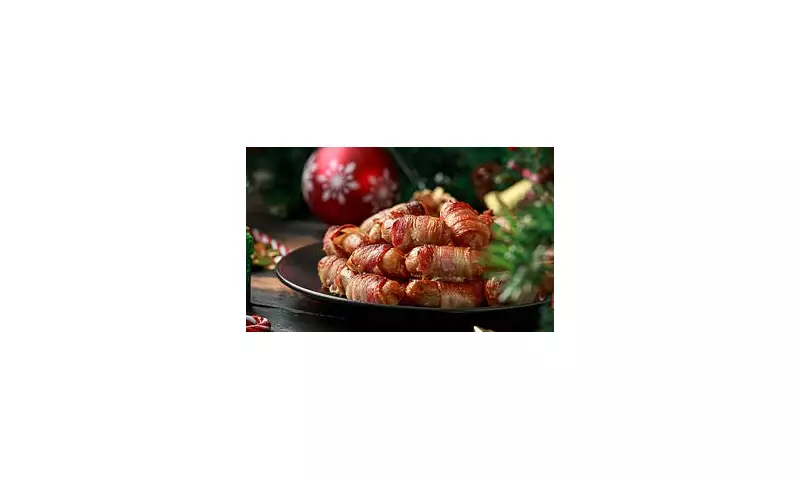
For many across the UK, the festive season is synonymous with platters of bite-sized delights, from cocktail sausages to tiny mince pies. Now, scientific experts have uncovered the compelling reasons why these miniature versions often outshine their full-sized counterparts, blending psychology, mechanics, and pure party atmosphere.
The Psychology of Nostalgia and Guilt-Free Grazing
According to Professor Charles Spence, an Experimental Psychology expert at the University of Oxford, small, individual portions powerfully tap into feelings of nostalgia. He suggests these "small treats might prime the notion of sweets or rewards that we were given as a child and so be appreciated more as a result."
Critically, there's a powerful guilt factor at play. Professor Spence notes that we typically feel less guilty indulging in a single small treat, even though consuming several might equal one large portion. This perception enhances enjoyment. Furthermore, he points out that offering a range of flavours in mini form, much like sharing plates or tasting menus, creates a more rewarding and memorable taste experience than repeating the same flavour.

The Mechanical Flavour Boost and Party Convenience
The science goes deeper than just feelings. From a mechanical standpoint, Professor Spence explains that fitting a whole mini item in your mouth at once significantly boosts flavour. "As you chew all the volatile rich aromas will get pushed out through the back of your nose," he said, delivering a richer experience compared to a bite from a larger item where aroma can escape.
Adding to this, Professor Mark Miodownik, a materials scientist and engineer at University College London, highlights a crucial 'convenience factor' in social settings. "Being able to pop a whole mini burger in the mouth is pleasurable in a situation where you are standing up and holding a cocktail," he stated. However, this convenience vanishes in a sit-down meal, where mini offerings might feel insubstantial.
Brits' Love Affair with Festive Picky Bits Confirmed
This scientific insight aligns perfectly with contemporary British festive habits. Recent research commissioned by Asda, which surveyed 2,000 adults, found that four in 10 Brits actually prefer 'picky bits' and buffet-style feasts to a traditional full Christmas dinner.
The nation is set to tuck into an average of four party spreads over the holidays, with 74% planning to host a festive gathering. Topping the list of must-have items was baked cheese like camembert or fondue, favoured by 50% of respondents.
The survey also revealed the UK's top festive picky bits:
- Baked cheese (camembert / fondue) – 50%
- Mini sausage rolls – 47%
- Pigs in blankets – 45%
- Cheese straws – 40%
- Mini pizzas – 40%
Professor Miodownik also linked the enjoyment to the party context itself, suggesting that if "mini food equals 'party' in people's heads then the food will taste better." The communal, jolly atmosphere enhances the perception. A word of caution, though: if expectations of a full dinner are met with only mini food, it can lead to disappointment and hunger.
Finally, the physical construction of mini foods alters the taste sensation. The surface-to-volume ratio changes, meaning a mini quiche has more pastry relative to filling. This is a boon for pastry lovers but might disappoint those who crave the filling. Ultimately, science confirms what many festive revellers have long suspected: when it comes to Christmas cheer, good things really do come in small packages.