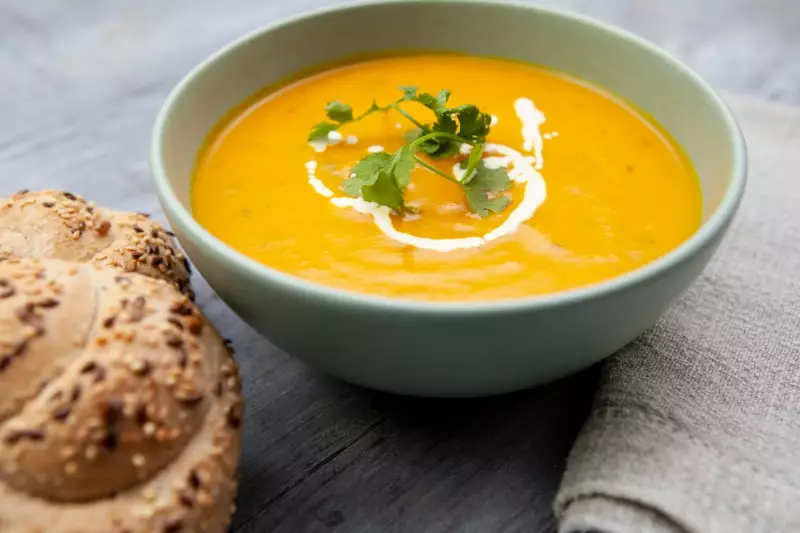
For generations, a steaming bowl of chicken soup has been the quintessential comfort food for battling the sniffles and aches of a cold or flu. Now, emerging scientific evidence suggests this age-old tradition might have genuine medicinal benefits, potentially helping people recover from respiratory infections more quickly.
The Scientific Evidence Behind Soup as Medicine
A systematic review of scientific studies, led by Senior Lecturer Sandra Lucas from the University of the West of Scotland, has delved into whether soup can genuinely aid recovery from acute respiratory tract infections, including the common cold, influenza, and COVID-19. The research, published on Friday 5 December 2025, sifted through over 10,000 records to identify four high-quality studies involving a total of 342 participants.
The studies tested various soups, from traditional chicken broth and barley soup to herbal vegetable blends. While the research is still in early stages, the findings were promising. One key study indicated that individuals who consumed soup recovered up to 2.5 days faster than those who did not. Symptoms like nasal congestion, sore throat, and fatigue were also reported to be milder.

Furthermore, the research pointed to a biological mechanism. Participants who ate soup showed reduced levels of specific inflammation-related markers in their blood, namely the proteins IL-6 and TNF-α. This suggests that soup may help to calm an overactive immune response, making the body's fight against infection less severe and more comfortable.
More Than Just Nourishment: The Cultural Power of Home Remedies
The potential benefits of soup extend beyond its nutritional content. Dr. Lucas highlights the strong cultural and behavioural aspect of "food-based self-care". When people use familiar foods intentionally to manage illness, it provides psychological comfort, routine, and a sense of being cared for. Her previous work found that parents, in particular, often turn to traditional remedies like soup as a first line of defence before seeking professional medical advice.
This reflects a growing public interest in culturally familiar, home-based treatments that feel safe and trusted. Such practices can increase confidence when managing mild illnesses at home, a factor becoming increasingly crucial for public health systems.
Easing the Strain on the NHS Through Informed Self-Care
The research underscores the potential role of simple, evidence-informed home treatments in alleviating pressure on healthcare services. With concerns about antimicrobial resistance and overstretched GP surgeries, enabling people to manage minor ailments safely at home is vital.
The Local Government Association (LGA) reports that GPs handle approximately 57 million cases of minor conditions like coughs and colds each year, costing the NHS over £2 billion annually. They argue that educating the public about effective self-care could save GPs an average of an hour per day. Even simple public health messaging about the common cold has been shown to reduce GP appointment demand by 21%.
As an easy-to-prepare, affordable, and widely accepted remedy, chicken soup fits the bill for a supportive home treatment. However, Dr. Lucas's review clearly calls for more robust research. Future studies need to investigate whether specific soup recipes or ingredients are more effective and measure real-world outcomes like days off work or school.
Soup is not a replacement for medical treatment, but the evidence indicates it could be a valuable supportive measure. Alongside rest, fluids, and over-the-counter pain relief, a comforting bowl of soup might offer a simple, scientifically plausible way to ease symptoms and promote recovery.