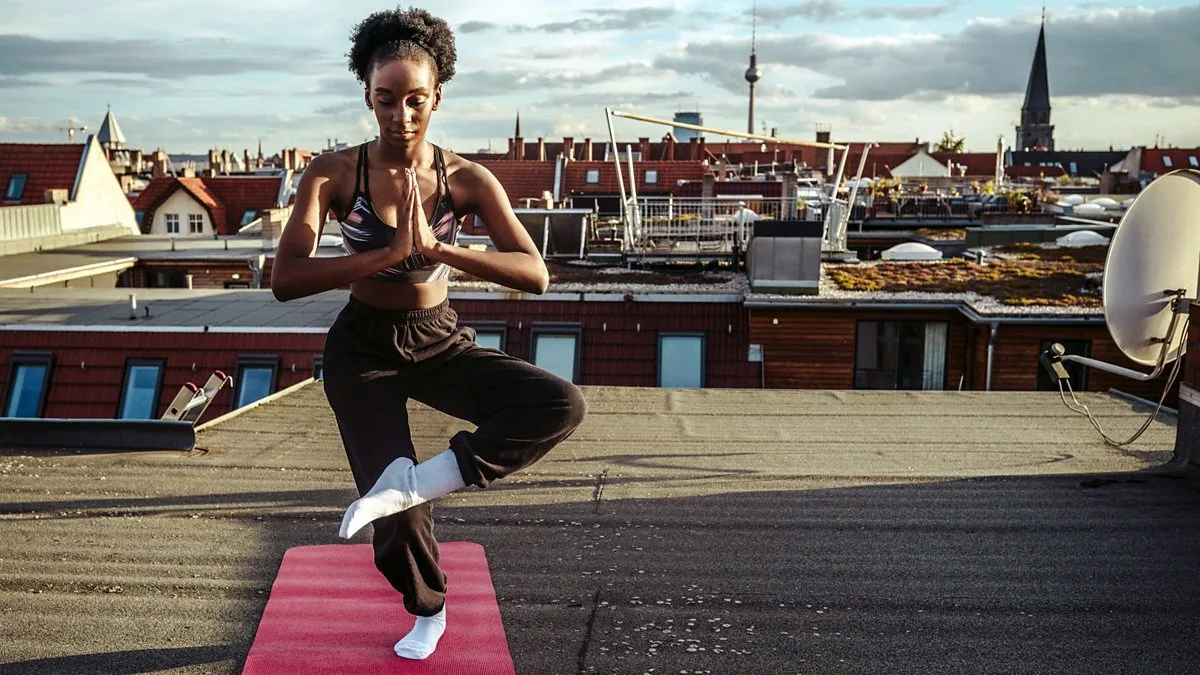
Standing on one leg might seem like a simple party trick, but according to Dr Michael Mosley, it could be a powerful predictor of how long you will live. In a recent episode of BBC Radio 4's 'Just One Thing', Mosley explains that the one-legged stance requires remarkable coordination from the brain, integrating signals from the inner ear, eyes, joints, and muscles.
As we age, the balance structures in our inner ear deteriorate, but the brain's plasticity allows it to compensate by forming new nerve connections. The key, says Mosley, is to keep wobbling. Every time you practise the one-leg stance, you recalibrate your brain, strengthening coordination and improving balance surprisingly quickly.
A 1999 study of 2,760 men and women in their 50s found that those who could stand on one leg for ten seconds or more with their eyes closed were three times less likely to have died over the next 13 years compared to those who managed two seconds or less. The one-legged standing test was a stronger predictor of mortality from cancer or heart attack than grip strength or sit-to-stand tests.
Improving balance not only helps you stay active into old age but also enhances performance in sports like surfing, skateboarding, and bowling. It builds core strength and corrects postural imbalances from prolonged sitting. Professor Dawn Skelton suggests that with practice, you could reach a whole minute on one leg with your eyes closed, and progress to exercises like the tandem walk.
Mosley recommends fitting the one-leg stance into daily routines, such as while brushing your teeth or watching TV. It's a simple habit that could make a significant difference to your health and longevity.