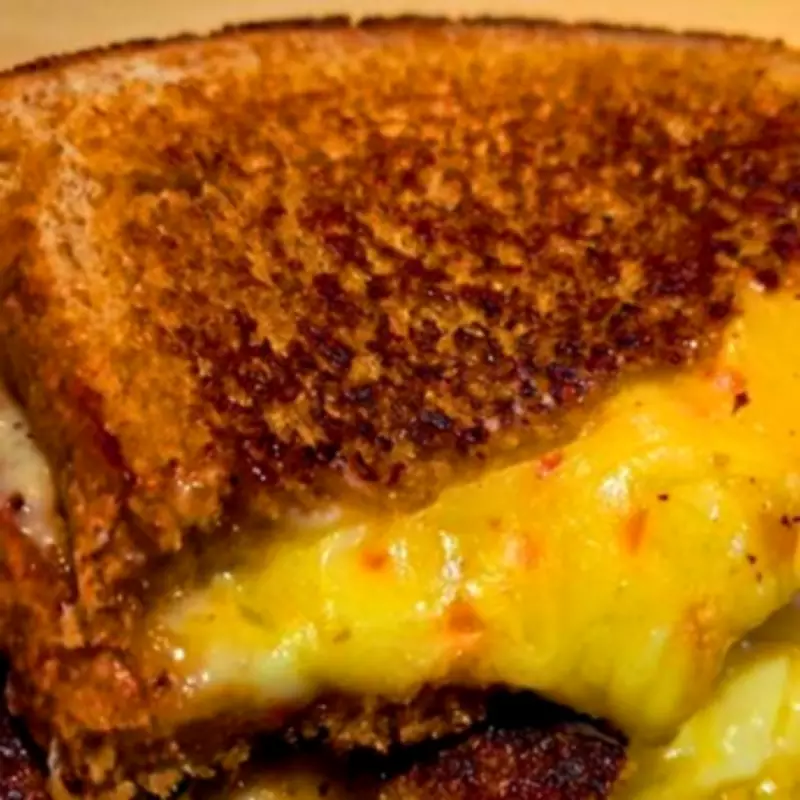
Cheese toasties represent the ultimate lunchtime comfort food – crispy, cheesy, and ideal for warming up on a dreary, wet day. While they appear straightforward to prepare, they frequently turn out greasy, soggy, or even burnt when made with traditional butter.
The Problem with Butter in Toasties
Butter might seem a natural choice for sandwiches, but its milk solids struggle with high temperatures, beginning to smoke almost immediately upon cooking. This common ingredient also fails to heat bread uniformly, often resulting in a toastie that is pale and underdone in some areas while completely charred in others.
The Simple Solution: Mayonnaise
The remarkably effective solution involves simply swapping butter for mayonnaise – a small change that makes a profound difference to the final outcome. Mayonnaise, being predominantly oil-based, browns far more consistently than butter, delivering a superior texture without the risk of the bread burning too rapidly.

This swap ensures a more even cook throughout, producing an exceptionally crisp finish so your sandwich emerges perfectly golden with minimal effort. When heated, mayonnaise adopts a very subtle flavour, eliminating any concern about your toastie tasting eggy.
How to Create a Much Tastier Cheese Toastie
You will need:
- Two slices of bread
- Two teaspoons of mayonnaise
- One teaspoon of Dijon mustard
- 60g of cheddar cheese
- 60g of Emmental cheese
- Any additional toppings you prefer (ham, onions, chives, chilli flakes, etc)
- A toastie maker or frying pan
Choosing the Right Bread and Cheese
Sourdough bread is typically regarded as the ideal choice for toasties due to its sturdy structure, preventing sogginess once the cheese begins melting. However, it's generally best to work with whatever bread you have available, with wholegrain being a popular personal preference. The only bread to avoid is brioche, which tends to burn rapidly and become excessively greasy when cooked with cheese.
While any cheese works for this recipe, including some cheddar is strongly recommended for its sharp flavour that delivers a bolder, more robust taste to a toastie. Cheddar does have a tendency to split during heating, potentially leaving a toastie feeling greasy if used too generously, so combining it with another variety proves wiser.
Emmental serves as an excellent companion cheese, offering a genuinely creamy flavour and containing slightly more moisture than cheddar, helping it melt evenly and preventing oiliness.
Step-by-Step Method
- Begin by grating the required cheese yourself, as pre-grated or sliced varieties often contain starch that hinders melting and can leave a toastie tasting grainy.
- Apply a thin coating of mayonnaise to one side of each bread slice. Then spread mustard, or your preferred condiments, on the opposite side.
- Layer the grated cheese and any additional toppings onto the mustard-covered side of the bread. Ensure the mayonnaise-coated sides face outward before pressing the slices together.
- Place the sandwich into a toastie maker, set the timer, and wait until completion. Alternatively, a frying pan works equally well – place it on low heat and cook each side for three to four minutes until nicely golden.
There's absolutely no need to use additional cooking oil when making a toastie, as the bread and mayonnaise will brown perfectly independently. Adding extra oil can leave your toastie feeling greasy, so it's best omitted entirely.
Serve your toastie on a plate, and you'll discover it perfectly golden, delightfully crispy, and quite simply the best toastie you've ever created.