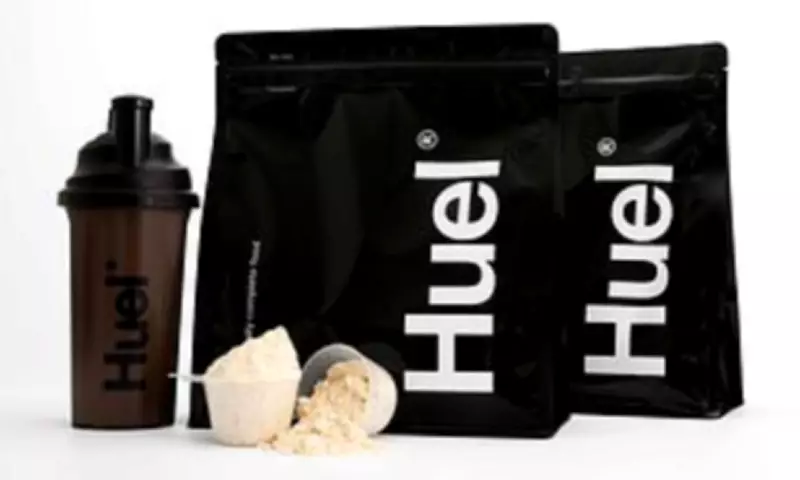
Huel: The Complete Meal in a Bottle – But Is It Truly Healthy?
Huel is marketed as a nutritionally complete meal replacement powder, offering all essential macronutrients, vitamins, and minerals in a single serving. Launched in 2015, this portmanteau of 'human' and 'fuel' has gained a cult following for its convenience, allowing users to prepare a balanced meal quickly by shaking a bottle or eating a branded bar. However, a closer examination of its ingredients and expert opinions reveals significant concerns about its health implications and suitability for everyone.
What's Actually in Huel?
The ingredients list includes guar gum, xanthan gum, medium-chain triglyceride powder, stabilisers, pea protein, tapioca starch, faba bean protein, and sucralose sweetener. While some of these compounds are common in foods like yogurts and sports drinks, their combination in Huel may not be appetising. Reddit users have described flavours as 'apple porridge with grass' or 'gloopy' and 'overly sweet'. Despite this, experts like Gunter Kuhnle, a professor at the University of Reading, assert that these artificial ingredients are not inherently dangerous, though Huel is classified as highly processed food.
Can Huel Replace Real Meals?
Each Huel drink contains 400 calories, costing as little as £1.60 per shake, with options up to £74 for bundles. Registered nutritionist Rob Hobson notes that this provides energy equivalent to a small or medium meal, with sufficient carbohydrates, protein, fat, fibre, and 26 vitamins and minerals. However, Hobson warns that Huel should only be a temporary measure, as it doesn't teach balanced eating skills like cooking or meal planning. Liquid meals may also reduce feelings of fullness compared to chewing solid food, which activates appetite regulation signals in the brain.

Health Risks and Controversies
Experts highlight potential health issues from excessive Huel consumption. High protein levels—30g per serving—could strain kidneys over time, especially in individuals with pre-existing conditions. A 2022 study funded by Huel showed benefits like reduced cholesterol and weight, but concerns remain. Users report severe flatulence due to the 8g of fibre per portion, and those prone to gout should limit intake due to purines increasing uric acid levels. Additionally, Huel has faced controversy over lead levels in its Black Edition powder, though the company insists it meets all safety standards in the UK and EU.
Who Should Avoid Huel?
Charities like Beat warn that meal replacements like Huel could exacerbate eating disorders by enforcing strict food rules. Huel recommends consulting a doctor for such individuals. For children over four, Huel suggests limits but experts worry it discourages natural eating habits. The product is designed for busy adults, but its long-term effects and suitability for diverse populations are debated.
In summary, while Huel offers convenience and nutritional completeness, it comes with drawbacks including artificial ingredients, potential side effects, and questions about replacing whole foods. Consumers should weigh these factors carefully before incorporating it into their diets.