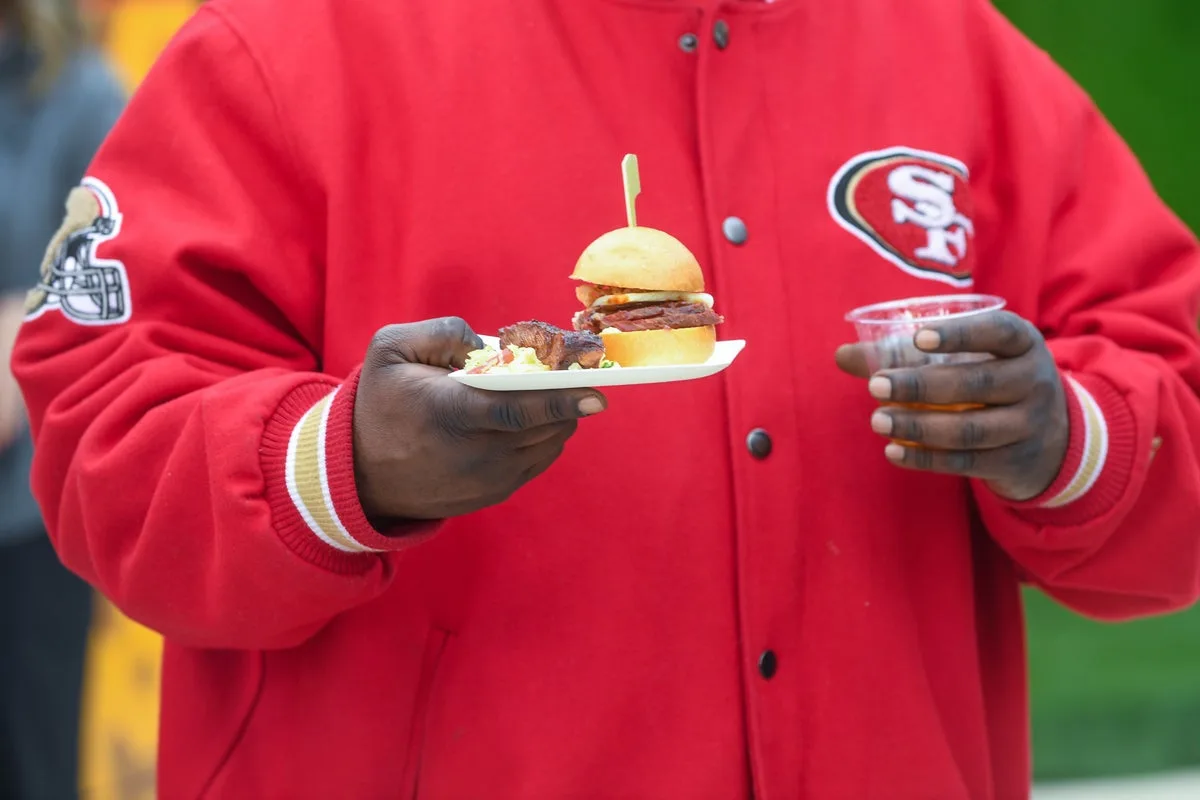
Super Bowl Snacks Pose Hidden Health Risks, Medical Experts Warn
Health Experts Warn Against Super Bowl Party Food Dangers

Super Bowl Party Foods Carry Significant Health Dangers, Experts Caution

As millions of Americans prepare to watch Super Bowl LX between the Seattle Seahawks and New England Patriots this Sunday, health professionals are issuing urgent warnings about the traditional game day snacks that could be secretly damaging cardiovascular health. While viewers indulge in saucy chicken wings, cheesy pizza slices, salty potato chips, and rich desserts, these popular foods contain alarmingly high levels of sodium, unhealthy fats, and sugars that pose serious risks.

Buffalo Wings: A Sodium Bomb in Disguise

For sports enthusiasts, consuming chicken wings during the Super Bowl has become as customary as cheering for their favorite team. The National Chicken Council reports that approximately 1.25 billion wings are eaten on Super Bowl Sunday annually. However, this tradition comes with substantial health consequences. A standard six-piece serving from Buffalo Wild Wings contains 990 milligrams of sodium, representing nearly two-thirds of the American Heart Association's recommended daily limit of 1,500 milligrams.

Excessive salt intake can lead directly to high blood pressure and contribute to arterial blockages. Registered dietitian Kristen Chang from Virginia Tech's Department of Human Nutrition, Foods, and Exercise suggests substituting traditional buffalo wings with buffalo cauliflower bites. "This alternative pairs wonderfully with bleu cheese or ranch dips and makes an excellent addition to any vegetable crudité tray," Chang explained, offering a healthier approach to game day snacking.

Wide Pickt banner — collaborative shopping lists app for Telegram, phone mockup with grocery list

Pizza: The Deceptively Dangerous Party Staple

Pizza remains an almost irresistible presence at Super Bowl gatherings due to its convenience, temperature, and universally appealing taste. Yet a single slice of typical take-out pizza contains approximately four to five grams of unhealthy saturated fat, accounting for about one-quarter of the recommended daily maximum. These saturated fats directly elevate cholesterol levels, thereby increasing the risk of developing heart disease.

Compounding the problem, pizza slices also contain hundreds of milligrams of sodium, with pepperoni varieties exceeding 600 milligrams per slice. NKC Health recommends preparing homemade pizza using whole grain crusts, reduced-fat cheese, and generous vegetable toppings as a significantly healthier alternative that maintains the festive spirit without compromising cardiovascular wellbeing.

Chips and Dip: The Calorie-Dense Combination

Potato chips and accompanying dips represent another major health concern during Super Bowl celebrations. According to University of Utah Health experts, "Those salty potato chips and dips like sour cream or queso are the fatty culprits here." The U.S. Chamber of Commerce estimates that 11.2 million pounds of potato chips are consumed during the annual championship game.

A standard bag of classic Lay's potato chips contains approximately 12 grams of saturated fat alongside 1,120 milligrams of sodium. When combined with sodium and fat-heavy dips, this seemingly innocent snack becomes substantially more hazardous than many consumers realize, contributing significantly to daily calorie intake while offering minimal nutritional value.

Brownies: Sugar-Laden Desserts with Consequences

While sodium-rich foods receive considerable attention, sugar-packed desserts like brownies present their own distinct dangers. These chocolatey treats are simple to prepare and widely adored, but their sugar content can be astonishingly high. While Ghirardelli's chocolate triple fudge brownies contain 18 grams of sugar per serving, some fast food brownies exceed 30 grams.

Such concentrated sugar consumption can cause rapid blood sugar spikes, triggering harmful inflammation throughout the body and potentially worsening conditions like arthritis. Alison Gustafson, an associate professor of dietetics and human nutrition at the University of Kentucky, emphasized the importance of moderation when speaking to USA Today. "The key is to not make it a habit the next day," she advised, suggesting that occasional indulgence should not become regular dietary practice.

Pickt after-article banner — collaborative shopping lists app with family illustration

Comprehensive Health Recommendations for Game Day

Dr. April Wilson, chair of the Preventive Medicine Department at Loma Linda University Health, summarized the broader concerns in an official statement. "Fatty favorites like pizza, nachos and chips might be tempting, but they increase your risk for high blood pressure, high cholesterol and unwanted weight gain - all of which strain the heart," she explained. These traditional Super Bowl foods, while delicious and emotionally satisfying particularly for disappointed fans, contain excessive calories and unhealthy fats that negatively impact cardiovascular health over time.

Medical professionals universally recommend moderation, healthier substitutions, and increased awareness of nutritional content during Super Bowl celebrations. By making informed choices about game day snacks, viewers can enjoy the championship event without compromising their long-term health outcomes or exposing themselves to unnecessary cardiovascular risks.