Gut Health Expert Warns Against Three Common Supermarket Foods
Gut Health Expert Warns Against Three Supermarket Foods

Gut Health Specialist Issues Warning on Everyday Supermarket Staples

A leading gut health expert has delivered a stark caution regarding three common supermarket products that she asserts are detrimental to digestive wellness. The warning originates from Dr Megan Rossi, a prominent figure renowned for her health advice across television and social media platforms.

Known widely as the Gut Health Doctor, Dr Rossi boasts an impressive following of over 580,000 on Instagram. Since 2015, she has served as the principal Research Fellow at King's College London, lending significant authority to her dietary guidance.

Three Problematic Products Highlighted

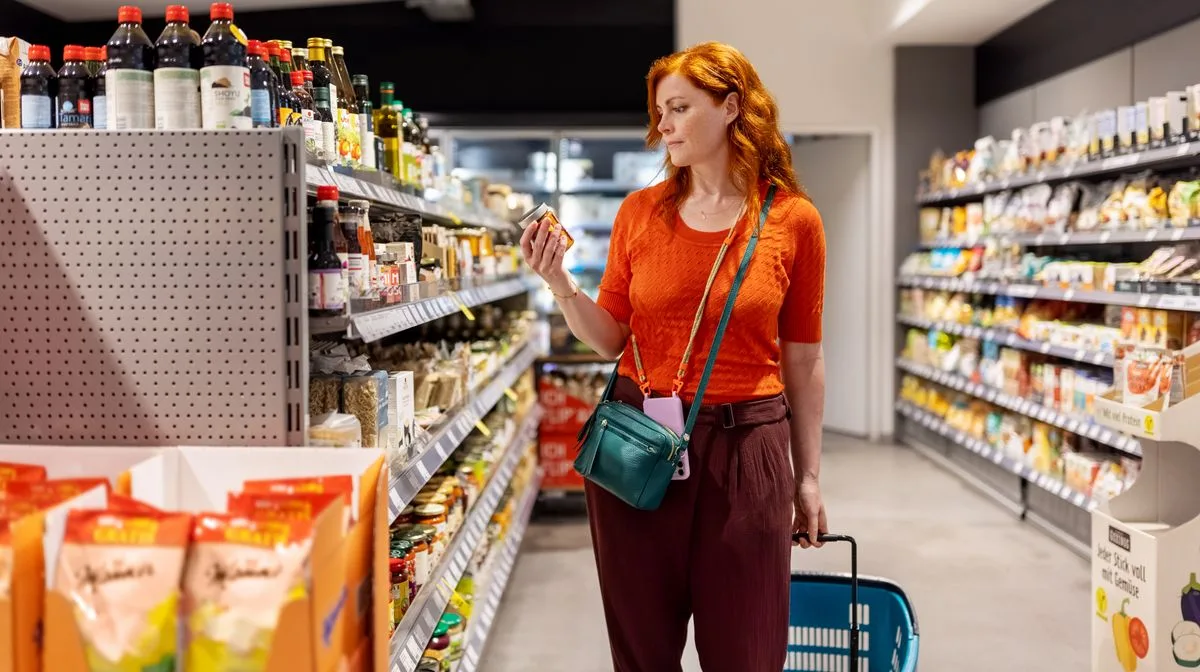
Dr Rossi pinpointed three supermarket staples that frequently mislead consumers. While these items may appear to be straightforward and wholesome choices, she argues that their extensive lists of additives mean they are doing your gut no favours whatsoever.

Wide Pickt banner — collaborative shopping lists app for Telegram, phone mockup with grocery list

Pasta Sauces: A Hidden Source of Sugars

First on the list is pasta sauce. Dr Rossi emphasised the importance of reading labels carefully. "A brilliant shortcut if you choose wisely, but many brands add extra sugars and preservatives - things you simply don't need," she explained. She encouraged shoppers to select sauces with a nice, simple ingredients list, containing as few additives as possible. Opting for varieties rich in tomato and olive oil can provide additional health benefits.

Nut Butters: Watch for Unnecessary Additives

Next up is nut butters. Dr Rossi stated: "Think 100 per cent nuts, full stop. Too often they can contain palm oil, emulsifiers, and sugars, which your gut absolutely doesn't need." She advocates for nut butters that are purely made from nuts, without any additional additives or emulsifiers. Palm oil is primarily incorporated into peanut butter as a stabiliser to prevent the natural peanut oil from separating, ensuring a consistently creamy, no-stir texture.

Wraps: Often Marketed as Healthier Than Bread

Wraps are a favourite choice for many Brits due to their speed, convenience, and deliciousness, suitable for breakfast, lunch, or dinner. However, Dr Rossi cautions that they can often catch people out.

She stated: "The third one is wraps - the one that catches most people out. Marketed as healthier than bread, but flip them over and often you see double-digit ingredients: emulsifiers, stabilisers, added sugars - things you don't need." She pointed out her preferred option, which consists of just flour, extra virgin olive oil, water, and salt. "That literally is all you need," she declared.

Why Are Additives Considered Problematic?

The Food Standards Agency lists several common additives:

  • Antioxidants – these stop food becoming rancid or changing colour by reducing the chance of fats combining with oxygen.
  • Colours
  • Emulsifiers, stabilisers, gelling agents and thickeners – these help to mix or thicken ingredients.
  • Preservatives – used to keep food safer for longer.
  • Sweeteners – including intense sweeteners like stevia and aspartame which are many times sweeter than sugar.

The World Health Organisation clarifies that additives are substances mainly added to processed foods, or other industrially produced foods, for technical purposes, such as enhancing safety, extending shelf life, or altering the sensory properties of food.

"Food additives are substances not normally consumed as a food by themselves and not normally used as typical ingredients in foods. Most minimally processed and unprocessed foods do not contain food additives," the WHO elaborated. "Food additives are assessed for potential harmful effects on human health before they are approved for use."

Pickt after-article banner — collaborative shopping lists app with family illustration




