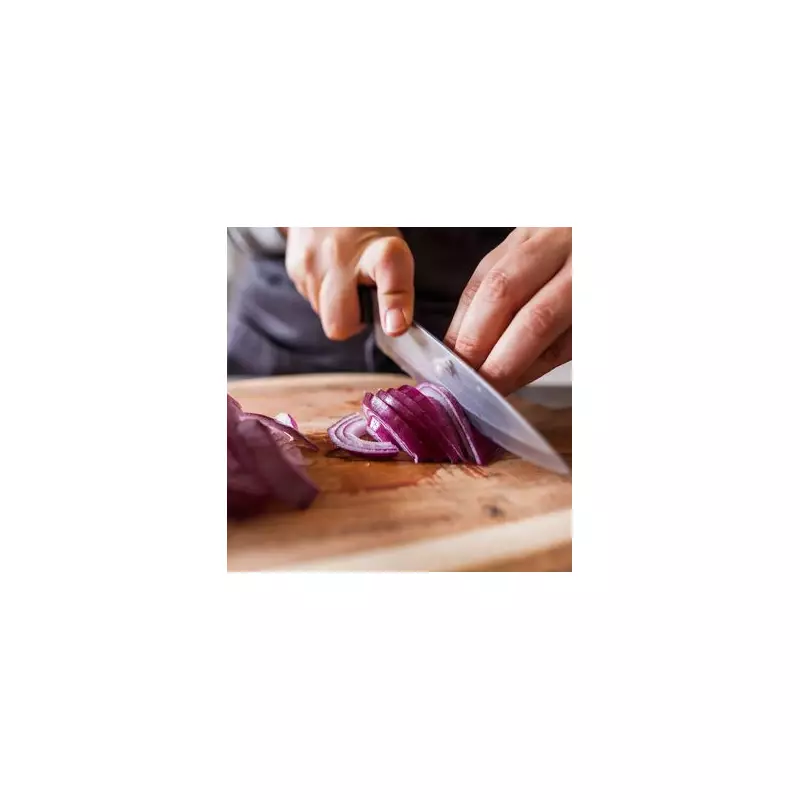
Chopping onions is a dreaded kitchen task for many, often leaving cooks with stinging, watery eyes. However, a culinary expert has shared a remarkably simple adjustment to how you store your onions that promises to keep the tears at bay for good.
The Science Behind Onion Tears
Onions are a fundamental ingredient, packed with health benefits like antioxidants and prebiotic fibres. The downside emerges when you slice into them, releasing sulphur compounds. These mix with the moisture in your eyes to form sulphuric acid, triggering a defensive tear response to flush out the irritant.
While home remedies range from chewing bread to wearing goggles, chef Jose Xiloj offered a more practical solution on Instagram in January 2026.

Chef Jose Xiloj's Freezer Hack
The key advice is to place your onions in the freezer for 15 minutes before you start chopping. This brief chill slows down the chemical reaction responsible for releasing the tear-inducing gases, making the onion far less potent when cut. Experts note the ideal chilling time is between 10 and 30 minutes, but warn against leaving them in too long to avoid a soggy texture.
More Expert Tips for Perfect Onion Prep
Beyond the freezer trick, Jose shared a suite of techniques for easier onion preparation. For effortless peeling, he suggests cutting off both ends and slicing the onion in half before removing the skin.
His dicing method involves keeping the root end intact and making cuts towards it without slicing through, followed by perpendicular cuts for perfect pieces.
For cooking, soaking chopped onions in cold water for 10 minutes before use is recommended to mellow the sharp, gassy flavour while retaining the essential onion taste.
How to Store Onions Correctly
Proper storage is crucial for longevity and flavour. Whole onions should be kept in a cool, dry, well-ventilated spot at 7 to 13 degrees Celsius, away from potatoes. Use mesh bags or baskets, not plastic, to prevent mould.
For chopped, peeled, or cooked onions, the fridge is essential. Wrap them tightly in cling film or use an airtight container to prevent odours from spreading. Chopped onions can also be frozen, though they are best used in cooked dishes after thawing due to a softer texture.
By integrating these simple changes, from a quick freeze to smart storage, you can reclaim your kitchen confidence and chop onions without a single tear.