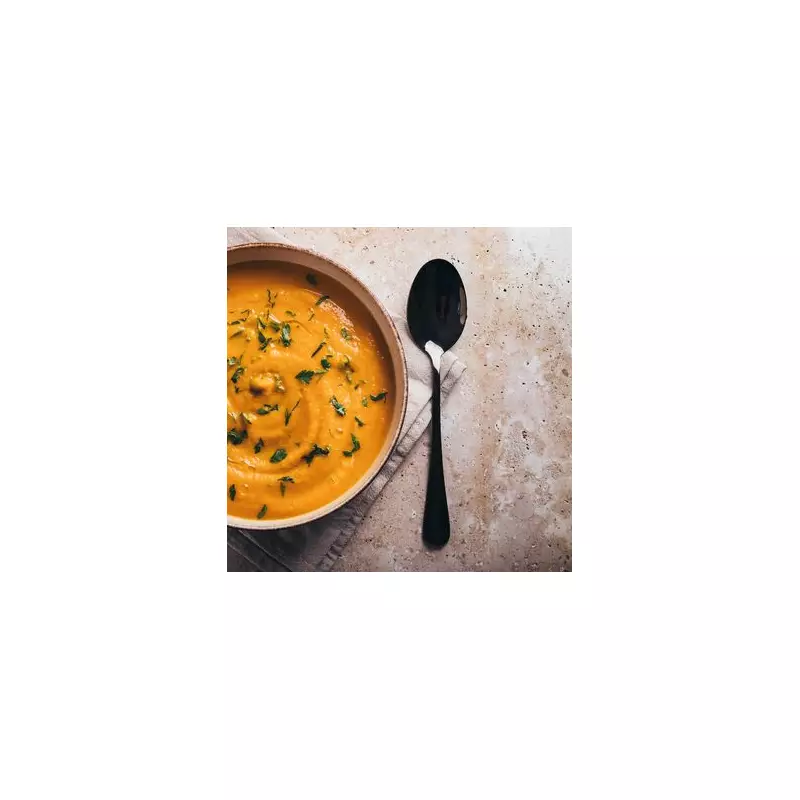
From a robust leek and potato in winter to a light tomato and basil in summer, soup is a beloved British staple, prized for its comforting simplicity and economical nature. Yet, the line between a sublime bowl and a disappointing one is often frustratingly thin. Add too much stock and you have a watery broth; use too little and it becomes an unappealing sludge. So, what's the secret to achieving that perfect, spoon-coating consistency? We asked four culinary experts for their failsafe fixes, and they all highlighted one humble, common ingredient.
The Starch Solution: A Chef's Best Friend
The unanimous advice from the professionals centres on the clever use of starch. Each chef champions a specific ingredient that adds luxurious body without masking the delicate flavours of the vegetables and stock. The goal is a silky, cohesive texture that elevates the soup, not overpowers it. Crucially, they also share savvy techniques to avoid the dreaded lumps or a gluey finish that can come from mishandling traditional thickeners like flour.
For Sean Dell, the Executive Head Chef at Horwood House in Buckinghamshire, the answer is a classic: the potato. "Whatever soup I'm making, I always add a couple of large peeled, chopped potatoes," he reveals. "It is a natural thickener and gives the soup a lovely creamy texture." He warns against adding flour directly to the pot, where it can become lumpy, and is cautious of cornflour, noting you can go from thin to overly thick in an instant.

Beyond the Potato: Pulses and Specialist Starches
John Burton-Race, head chef at The Nook On Five, agrees with the starchy principle but recommends a more refined version: potato starch. "Don't put flour in to thicken it. This will just lump up," he advises. "Instead, dilute a teaspoon of potato starch with a little water and stir it directly into your soup." He finds this method works brilliantly for clear broths and meat-based soups, while creamy varieties might simply need an extra dash of cream. He notes that some soups, like French onion, get body from the cooked-down onions themselves.
Lily Keeling, a senior recipe developer at Green Chef UK, champions another natural, fibre-rich option: beans and pulses. "Adding beans or pulses to a soup acts as a natural thickener; crushing or blending them releases the starches, which thicken soups and sauces for a nice smooth consistency," she explains. While Lily doesn't rule out flour or cornflour entirely, she insists on making a slurry with water first to ensure smooth incorporation.
Timing, Taste, and Final Adjustments
Getting the timing right is also critical. John Burton-Race believes the blending stage is the perfect moment to assess your soup's consistency and decide if it needs thickening. This underscores a golden rule of soup-making: start cautiously with your liquid. As Lily Keeling puts it, "You can always add, but you can't take away." If the soup is still too thin towards the end of cooking, you can either use a thickener or let it simmer and reduce to concentrate the flavours.
For an unparalleled depth of flavour, vegan cookbook writer and recipe developer Romina Callwitz turns to umami. "One ingredient I often add to soup to take it to the next level is a splash of miso paste," she says. "It instantly deepens the flavour and gives even simple vegetable soups a rich and savoury boost." While she uses shop-bought stock when short on time, she believes homemade broth makes a real difference and avoids vegan creams and butters that can mask the natural taste of the vegetables.