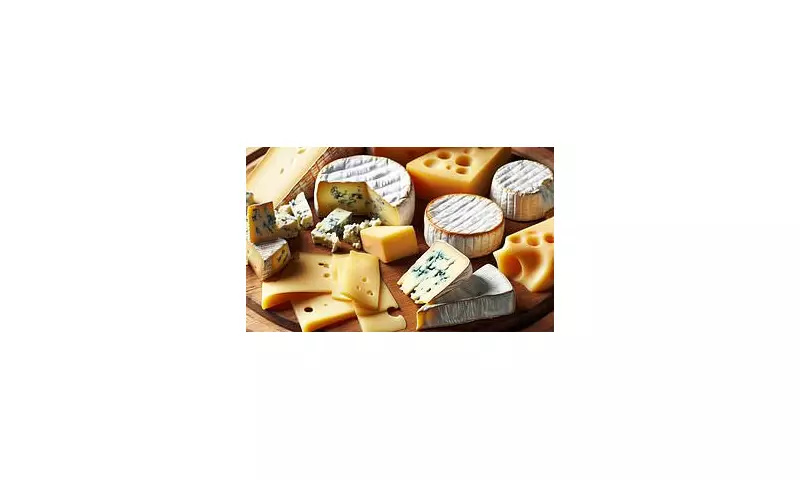
In a surprising twist that will delight cheese lovers across Britain, new scientific research suggests that regular cheese consumption could be a powerful weapon in the fight against dementia.
The Delicious Discovery
Researchers have uncovered compelling evidence that people who include cheese in their diet may be significantly less likely to develop dementia later in life. The study, which followed participants over several years, found that those who enjoyed cheese regularly showed remarkable cognitive resilience.
How Cheese Protects Your Brain
The secret lies in cheese's unique nutritional profile. Rich in calcium, vitamins, and beneficial fats, cheese contains compounds that may help protect brain cells from damage and inflammation. Some experts believe that specific nutrients found in dairy products could strengthen neural connections and support overall brain health.

What the Numbers Reveal
The research findings are particularly striking. Participants who consumed cheese several times per week demonstrated substantially lower rates of cognitive decline compared to those who rarely ate dairy products. While more research is needed to fully understand the mechanisms at work, the correlation is too significant to ignore.
A Balanced Approach
Nutrition experts caution that this doesn't mean you should consume unlimited amounts of cheese. As with all foods, moderation remains key. However, incorporating reasonable portions of cheese into a balanced diet could provide unexpected brain health benefits alongside other established protective measures like regular exercise and mental stimulation.
The Future of Dementia Prevention
This research opens exciting new possibilities for dietary approaches to cognitive health. Scientists are now investigating whether specific types of cheese might offer greater benefits and how cheese consumption interacts with other lifestyle factors that influence dementia risk.
While cheese alone isn't a magic bullet against dementia, this research adds to growing evidence that our dietary choices play a crucial role in maintaining cognitive function as we age. So the next time you enjoy a piece of cheddar or stilton, you might be doing more than satisfying your taste buds—you could be investing in your brain's future.