Britain's Hidden Health Crisis: The Fibre Deficiency Overshadowed by Protein Hype
In an era dominated by protein-packed snacks and viral "what I eat in a day" videos, Britain has become more obsessed with food than ever before, yet paradoxically, we are eating worse than we have in decades. Nutritionist Rhi Lambert, a bestselling author and clinic founder, argues that the real health crisis is not about protein, but about a widespread fibre deficiency that is being ignored amid wellness trends.
The Social Media Illusion and Its Harmful Impact
Lambert, who runs an eating disorder clinic, has never posted a "what I eat in a day" video, a deliberate choice she explains on The Independent's Well Enough podcast. She highlights the performative nature of health on social media, where perfectly curated meals create unrealistic expectations. "It's a slippery slope," Lambert says, noting that these videos often portray an unattainable ideal that fuels comparison, competition, and confusion. Her refusal to participate underscores her central argument: we are distracted by trends and missing what truly matters for our health.
Protein Hype vs. Fibre Reality
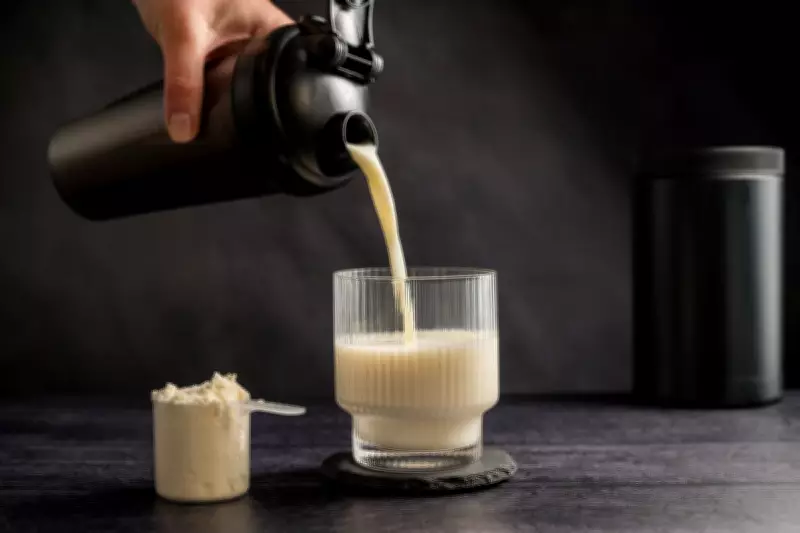
For years, the health conversation has fixated on protein, with products like high-protein snacks and yoghurts promising transformation. Lambert is blunt in her assessment: "Protein hype has done so much damage to this country." She clarifies that protein is important, especially as we age, but it has crowded out attention to fibre, a nutrient where Britain is failing spectacularly. "We've never had a problem with getting enough protein. It's never been listed as an issue," she states, contrasting this with the alarming statistic that only 4% of the population gets enough fibre. This deficiency, she argues, is a symptom of a broader loss of food culture in the country.

The Collapse of Lunch and Diet Culture's Legacy
Lambert points to lunch as a key area where convenience has overtaken nourishment, with people opting for on-the-go foods at their desks. This shift is compounded by decades of diet culture that emphasizes restriction—calorie counting and carb-cutting—rather than addition. "Food isn't numbers," Lambert asserts, drawing from her own past experience with disordered eating during her career as a classical soprano. She reflects on her lack of nutritional knowledge at the time, which led her to pursue degrees in nutrition, specialising in obesity prevention.
Fibre's Misunderstood Role and Social Media Dangers
Fibre has been mis-sold, with many people believing it's only about digestion, Lambert explains. "It's not sexy," she admits, contrasting it with protein's association with aesthetics and muscle. However, fibre plays crucial roles in heart health, blood sugar control, gut microbiome support, brain health, and mental wellbeing. It can even reduce bowel cancer cases by 50-60%. Despite this, it remains overlooked in favour of trending nutrients, partly due to social media where unreliable advice abounds. Lambert warns that the title "nutritionist" isn't protected, allowing untrained individuals to gain large followings online.
Absurd Trends and Practical Solutions
Lambert criticises absurd trends like eating sticks of butter as snacks or "GLP-1 foods" mimicking weight-loss injections, which she says are ineffective. Even "fibre maxxing" on TikTok can miss the point if it lacks dietary diversity. Instead, she advocates for practical tweaks: blending butter beans into pasta sauce, adding lentils to bolognese, or mixing quinoa into rice. "It's about getting savvy with those everyday meals," she says, emphasizing addition over restriction. Snacks like nuts, seeds, and popcorn offer more fibre than crisps, aligning with her philosophy of adding nutrients rather than cutting foods out.

Structural Issues and Government Responsibility
Lambert stresses that individual responsibility isn't enough, highlighting a massive cost divide where eating healthily is twice as expensive. She notes that 70% of children's diets in Britain are ultra-processed, the highest rate in Europe, and criticises schools and nurseries for poor nutritional standards. Government action is needed, she says, after presenting data on fibre intake in parliament. Historically, she links the rise of convenience foods to structural factors like women entering the workforce in the 1960s without men stepping up to cook, leading to a reliance on ultra-processed options.
A Simple Message Amid the Noise
Ultimately, Lambert's message is straightforward: eat more plants, add rather than subtract, cook when possible, and avoid chasing perfection. Her key tip is to "shut out the noise" from social media, as constant exposure to food trends makes it hard to listen to one's own needs. She concludes that achievements like switching to brown pasta are meaningful, reminding us that health isn't found in powders or curated plates, but in simple, sustainable choices.