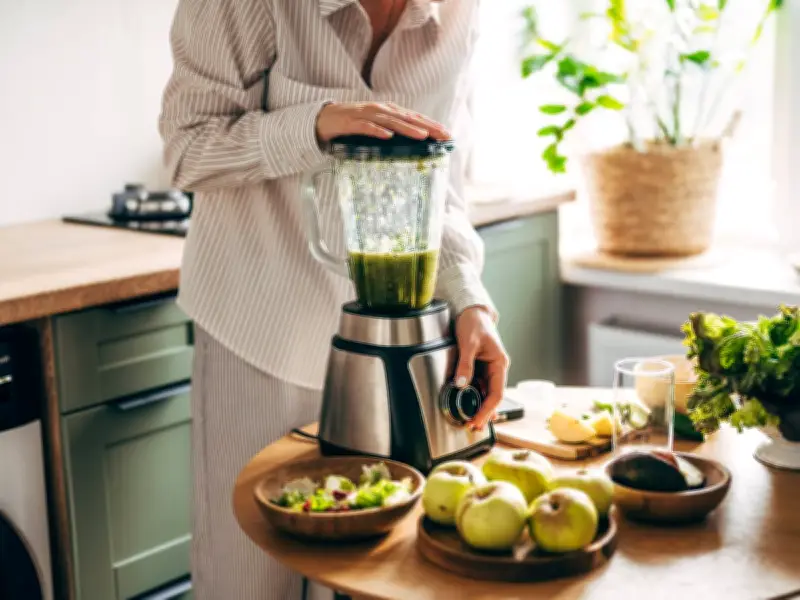
Greek yoghurt, a simple fridge staple costing as little as 80p, can transform a smoothie into a creamier and more delicious drink, according to BBC Food. Unlike milk or plant-based alternatives, this thickening agent adds a rich, velvety texture while boosting protein content.
Why Greek Yoghurt Works
BBC Food explains that a smoothie should consist of a liquid, fruit, and a thickening agent. While milk, soya, or almond drinks serve as liquid bases, Greek yoghurt is recommended for its naturally thick consistency. It is strained to remove excess liquid, making it ideal for achieving a smooth, indulgent texture without watering down the drink.
Sophie Harris, Senior Lifestyle Reporter, notes that Greek yoghurt is high in protein, which helps create a silky consistency while offering nutritional benefits. A small pot can be purchased for around 85p from supermarkets, making it an affordable upgrade.
How to Make the Perfect Smoothie
Begin with two mugfuls of liquid base, such as milk or a dairy-free alternative. Pour the liquid into the blender first to protect the blade from damage. Add roughly three-quarters of a mug of fruit; bananas are ideal for a creamy base, but berries, mango, peaches, plums, nectarines, grated apple, pear, or melon also work well.
For a thicker texture, add a dollop of Greek yoghurt. If you prefer a thinner consistency, omit the thickening agent. For extra sweetness, drizzle honey, maple syrup, or agave syrup.
Tips for Regular Smoothie Makers
BBC Food suggests freezing fruit if you make smoothies often. Frozen fruit retains its nutritional content and taste while cooling the drink instantly, eliminating the need for ice.