As temperatures fall across the UK, many Britons are spending more time indoors and becoming less active, particularly those who sit at desks for long periods. This can leave people feeling stiff, sore and restless, especially in the legs. However, supporting healthy circulation does not have to be expensive, with several common kitchen staples packed with nutrients that help maintain healthy blood flow.
Ester Silva, nutrition expert at vitamin and supplement provider Nature's Best, has outlined budget-friendly foods Britons can add to their diets this autumn. Her recommendations include berries, oily fish, leafy greens, beetroot, garlic, nuts and pomegranates.
Why Circulation Matters as We Age
Silva explained that as people get older or spend long periods sitting down, they may notice symptoms such as aching, stiffness or discomfort in the legs, which can be related to poor circulation. She noted that poor circulation can also be linked to underlying health conditions, including high blood pressure and diabetes, which need to be assessed and managed individually.
She recommended incorporating foods rich in nitrates, omega-3 fatty acids, antioxidants and certain sulphur compounds into the diet. Many of these nutrients are found in affordable, everyday foods, so making small changes does not have to be expensive.
Seven Foods That Support Healthy Blood Flow
Beetroot is naturally packed with nitrates, which the body converts into nitric oxide. This helps blood vessels relax and widen, enabling blood to flow more smoothly. It is a budget-friendly and adaptable vegetable that can be roasted, tossed into salads or blended into smoothies.
Blackberries are rich in antioxidants, which help protect blood vessels from harm. They can be scattered over porridge, stirred into yoghurt or eaten as a snack.
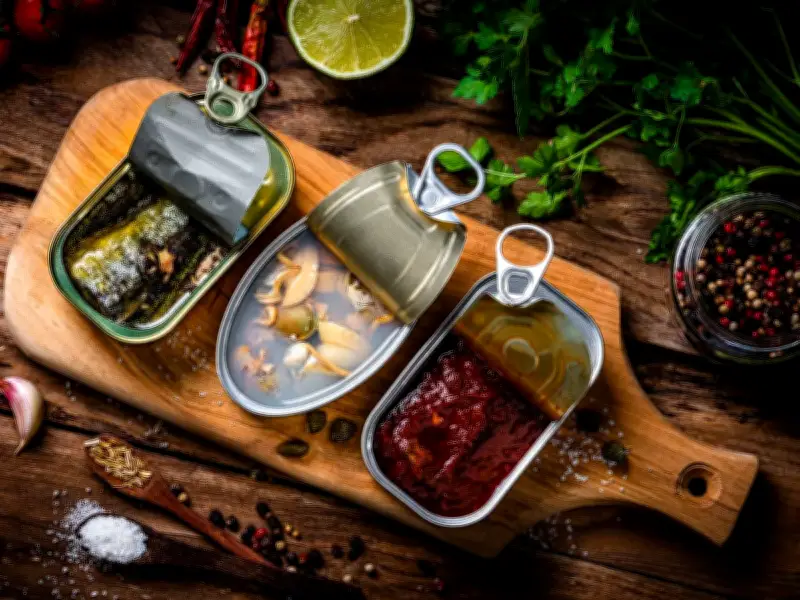
Oily fish such as salmon provide omega-3 fatty acids, which play a vital role in maintaining heart and blood vessel health. For a more economical alternative, Silva said tinned salmon, sardines or mackerel offer convenient ways to incorporate oily fish into the diet.
Garlic contains natural sulphur compounds, including those involved in producing allicin when crushed or chopped. These compounds have been researched for their potential impact on blood pressure and blood vessel health.
Nuts such as walnuts and almonds are a source of unsaturated fats, which can help maintain heart and blood vessel health as part of a balanced diet. Walnuts also provide a plant-based omega-3 fatty acid called ALA. A small handful of unsalted nuts makes an easy snack, while chopped nuts can be added to porridge, salads or yoghurt.
Pomegranates are rich in polyphenols, antioxidants that could help shield blood vessels from oxidative stress. Some research suggests pomegranate juice might help lower blood pressure, though further studies are required.
Leafy greens such as spinach and rocket provide another source of natural nitrates. Frozen spinach can be a particularly economical choice and works well in soups, curries and pasta dishes, while rocket can be added to salads and sandwiches.
Movement Is Also Key
Silva emphasised that diet is only one part of maintaining healthy circulation. Regular movement is equally important, and this does not have to mean strenuous exercise. Something as simple as going for a daily walk or taking regular breaks from sitting can make a difference.