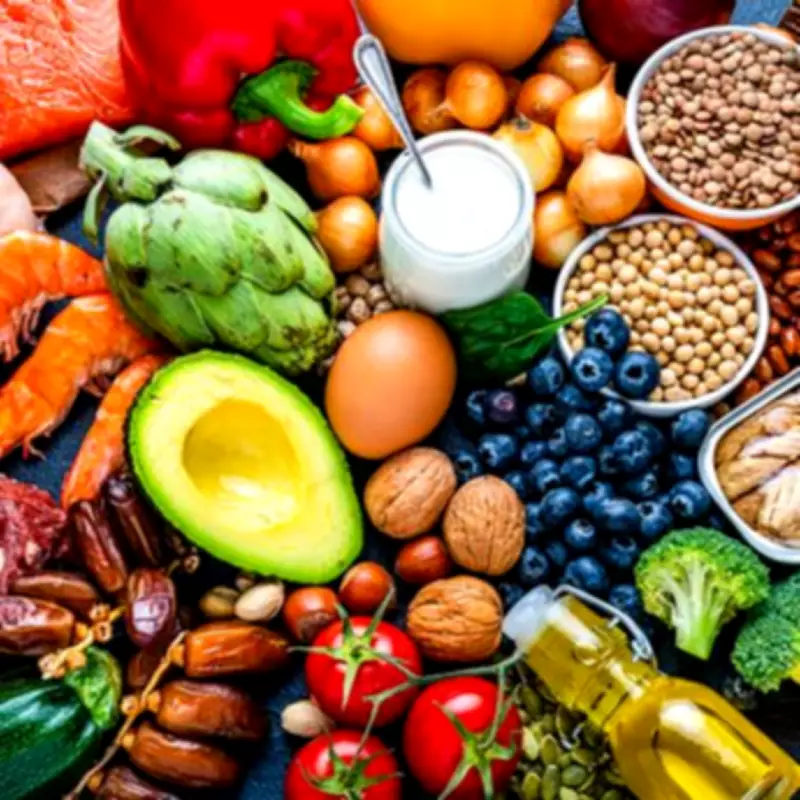
A leading nutritionist has unveiled a remarkably simple yet vitamin-packed lunch recipe that is perfectly designed for busy individuals who plan their meals in advance. Emily English, a respected figure in the field, has detailed her 'dream' salad creation, which not only brims with essential nutrients but also maintains its crisp texture for an impressive three to four days when stored correctly in the refrigerator.
The Ultimate Meal Prep Solution
Emily English took to social media to share this favourite recipe from her cookbook, SO GOOD, describing it as 'full of all the essential vitamins, minerals, and antioxidants.' She affectionately calls the dish 'Nature's Multivitamin' because it incorporates a comprehensive array of ingredients necessary to help people feel their absolute best. The salad is specifically crafted for meal preparation, offering a convenient and healthy option for those with hectic workweek schedules.
Key to Avoiding Sogginess
The nutritionist provides a crucial tip to ensure the salad remains fresh and avoids becoming soggy during storage. She advises preparing the ingredients without dressing and storing them in an airtight container within the fridge. Emily confidently promises that following this method will preserve the salad's delightful texture for several days, making it an ideal make-ahead meal.

Recipe Walkthrough and Ingredients
Emily begins her recipe by meticulously preparing the vegetables to prevent excess moisture. She dices half a cucumber and removes the seeds, then cores, deseed, and chops a red pepper. The process continues with halving two handfuls of cherry tomatoes and thinly slicing radishes and a small red onion.
These fresh components are then combined in a large bowl with a vibrant mix of capers, Kalamata olives, pomegranate seeds, and generous handfuls of fresh mint, parsley, and basil. To complete the base, she adds drained chickpeas and cooked quinoa before crumbling in feta cheese for a creamy contrast.
The final touches include sprinkling mixed seeds over the salad and squeezing fresh lemon juice across the top. Emily recommends serving the creation with a protein source and dressing of choice, noting that she personally enjoys it with chicken and avocado.
Comprehensive Ingredient List
For those wishing to recreate this nutritious meal, Emily's recipe serves four people and includes:
- Lemon juice for dressing
- Two handfuls of cherry tomatoes, halved
- Half a deseeded and diced cucumber
- Two tablespoons of mixed seeds
- Big handful of chopped basil
- Big handful of chopped mint leaves
- Three tablespoons of Kalamata olives, halved
- Two tablespoons of capers
- Four to five thinly sliced pink radishes
- Two big handfuls of chopped parsley leaves
- One red pepper, cored, deseeded, and diced
- One small, finely diced red onion
- Cooked quinoa, 250g (Emily uses pre-cooked)
- Can of chickpeas (400g), drained and rinsed
- Pomegranate seeds, 80g
- Crumbled feta cheese, 100g
Nutritional Benefits and Heart Health
This 315-calorie salad is not merely about convenience; it is deliberately packed with health-promoting compounds. Emily highlights that the dish is rich in antioxidants, substances known to help slow and prevent cellular damage within our bodies. This protective effect can potentially reduce the risk of developing serious conditions, particularly heart disease.
Each ingredient contributes unique health benefits, with olives receiving special attention for their 'active components' that support cardiovascular health. This aligns with recent scientific research, including a peer-reviewed study from the Autonomous University of Barcelona, which examined how specific plants could assist with cardiovascular problems.
The study's findings indicated that garlic, saffron, olives, rosemary, and grapes show promising potential for reducing the risk of heart-related issues. Emily's salad incorporates several elements characteristic of the celebrated Mediterranean diet—a dietary pattern emphasising plant-based foods, moderate meat consumption, and healthy fats.

Contrast with Western Diets
This approach stands in stark contrast to the typical 'Western diet,' which is often defined by high-sugar, low-fibre processed foods and greater red meat intake. Research has linked several components of Western dietary patterns to potentially increased risks of cancer, obesity, diabetes, and heart disease.
The timing of this recipe's prominence is particularly relevant, as cardiovascular disease currently accounts for approximately a quarter of all deaths in the United Kingdom. According to the British Heart Foundation, this equates to over 170,000 fatalities annually. Globally, the situation is equally concerning, with cardiovascular diseases identified as the leading cause of mortality, responsible for 32% of all deaths in 2019.
Scientific Context and Considerations
The study authors noted that plant-based extracts, rich in bioactive compounds, have made significant contributions to modern medicine by offering therapeutic potential for various diseases. However, they also acknowledged limitations, including possible side effects, drug interactions, and a lack of comprehensive preclinical and clinical studies.
Crafting an optimal diet plan with specific consumption limits and effective food combinations remains a complex task, as the review underscores. Key knowledge gaps persist, particularly regarding the long-term safety of these bioactive compounds, the potential for synergistic effects within dietary patterns like the Mediterranean diet, and the need for standardised clinical protocols.
Nevertheless, Emily English's recipe provides a practical, accessible application of these nutritional principles, offering a delicious and convenient way for people to incorporate more heart-healthy, vitamin-rich foods into their daily routines without sacrificing flavour or texture.