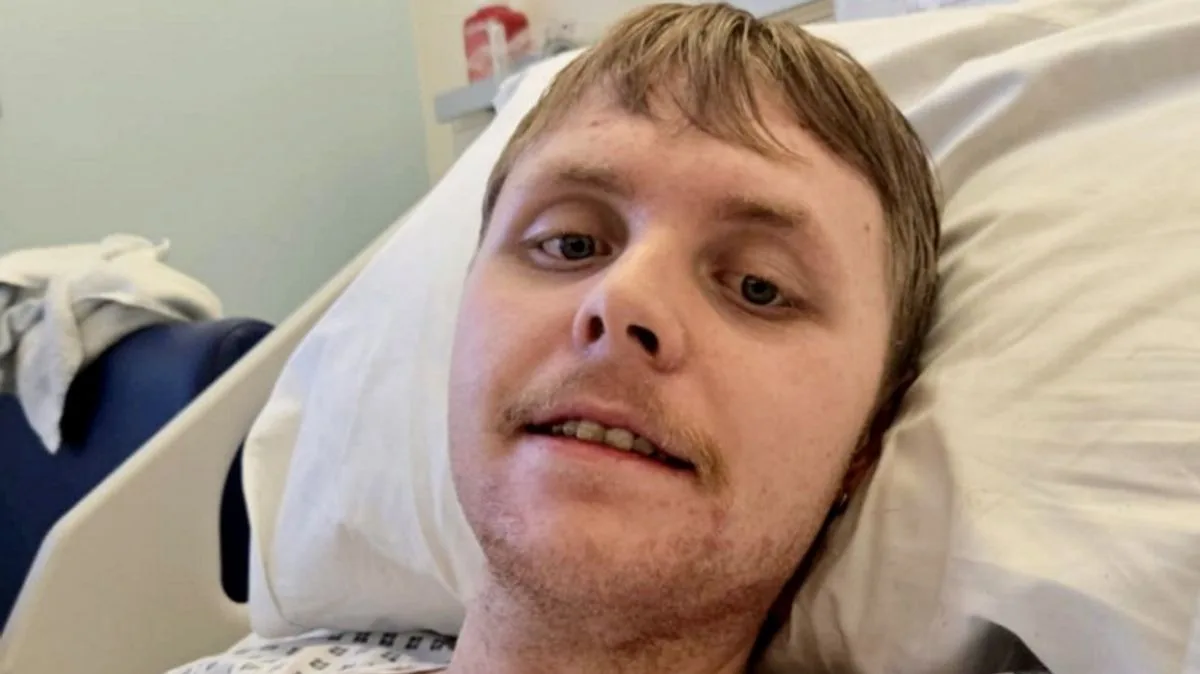
The tragic death of a young man believed to be the UK's youngest dementia patient has prompted a stark warning from health experts. Young people are being urged not to dismiss subtle and unusual changes in behaviour or personality, which could be early signs of the condition.
A Life Cut Short by Rare Dementia
Andre Yarham, from Norfolk, passed away on December 27 in a hospice following an infection. He was just 24 years old. His family's journey began when they noticed slight changes in his behaviour and memory. These observations led to a diagnosis of frontotemporal dementia (FTD) just before his 23rd birthday, around two years prior to his death.
Simon Wheeler, Senior Knowledge Officer for Health at Alzheimer’s Society, explained the unique challenge of identifying dementia in younger people. He stated that symptoms in the young are often atypical and easily mistaken for other issues.
Why Young People Miss the Signs
"Younger people are more likely to develop unusual symptoms we don't immediately associate with dementia," Wheeler told the Mirror. He listed these as changes in behaviour and personality, problems with language or vision, and issues with movement, co-ordination or balance.
Wheeler emphasised that these signs are frequently attributed to stress, depression, work difficulties, or even menopause, leading to dangerous delays in seeking a diagnosis. Dementia symptoms typically start mild but worsen progressively over time, eventually interfering severely with daily life.
Understanding Young-Onset and Frontotemporal Dementia
When dementia symptoms begin before the age of 65, it is classified as young-onset dementia. Nearly 80,000 people in the UK are currently living with this condition. Frontotemporal dementia is a rarer form that primarily affects the frontal and temporal lobes of the brain.
"FTD tends to affect people at a younger age than other types of dementia. Most people are diagnosed before they are 65 years old," Wheeler clarified. Unlike the more familiar Alzheimer's disease, a person's memory for recent events is often spared in the early stages of FTD.
The initial symptoms instead involve either changes to thinking, behaviour and personality, or significant difficulties with using language. Some individuals experience both. The exact presentation varies greatly depending on which specific brain areas are affected.
Taking Action: Support and Next Steps
With one in three people born in the UK today expected to develop dementia in their lifetime, awareness of all symptoms is crucial. Wheeler advised, "If you're worried about yourself, or someone close to you, then Alzheimer's Society's symptom checklist can help you start a conversation with a GP."
The charity also provides a dedicated Dementia Support Line, reachable on 0333 150 3456, for anyone seeking information or support. The case of Andre Yarham stands as a poignant reminder that dementia is not exclusively a disease of old age, and recognising its diverse early signs can be lifesaving.