A London widow has issued a stark warning that mixed messages and conflicting advice on prostate cancer testing are having deadly consequences, following the loss of her husband earlier this year.
A Personal Tragedy Highlights a National Dilemma
Pat Sharpe from Wandsworth, London, watched with dread as the UK National Screening Committee advised against a national screening programme for prostate cancer for most men on 28 November. Her husband died of the disease in August, aged just 68, less than three years after his diagnosis.
She believes the public confusion over the reliability of the PSA (prostate specific antigen) blood test directly contributed to his death. He delayed getting tested because he believed the test was unreliable and feared it could lead to unnecessary and damaging treatments. By the time he was diagnosed, the cancer had already spread throughout his body.

"I thought publicity about prostate cancer would be a good thing and encourage men to get tested, but I’m afraid it will actually be the opposite," Mrs Sharpe wrote in a letter to the Guardian. "Confusion and mixed messages will cause more heartbreaking losses like mine."
The Clash of Expert Opinions
The heart of the issue lies in a significant divergence of opinion among leading health bodies and charities. This conflict creates a fog of uncertainty for men considering a test.
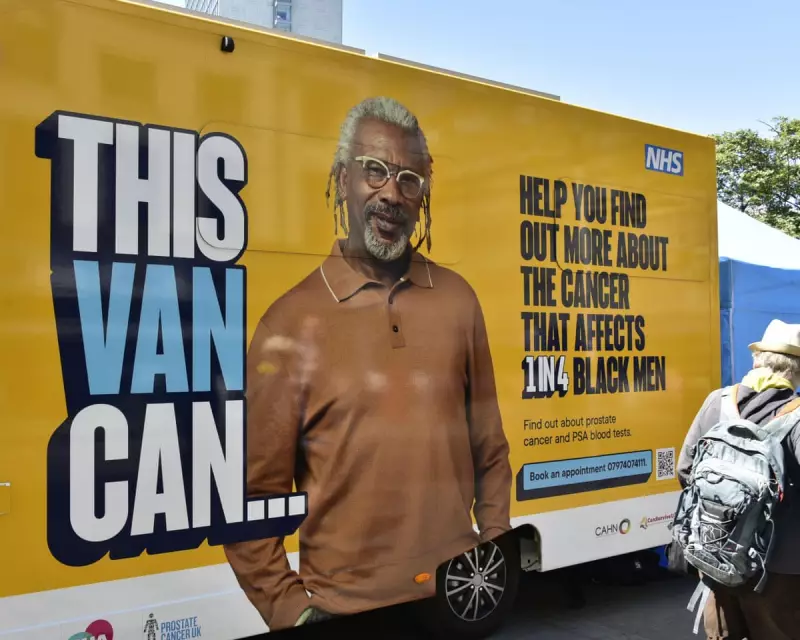
On one side, Dr Jayne Spink of Prostate Cancer Research emphasises the critical need for early diagnosis. She points out that a lack of early symptoms means many men are only diagnosed when their cancer is advanced and incurable.
Conversely, Cancer Research UK supports the Screening Committee's conclusion that there is insufficient evidence that population-wide screening would do more good than harm. The potential 'harms' cited include false positives, unnecessary anxiety, and overtreatment of slow-growing cancers that may never cause harm.
Even the chair of the Royal College of GPs recommends a discussion of the "risks and benefits" of the PSA test with a patient, rather than a clear directive. To a grieving widow, this cautious stance is unfathomable. "My widow inner-voice asks: what risks and harm outweigh dying unnecessarily?" Mrs Sharpe writes.
A Call for Clarity to Save Lives
Pat Sharpe's powerful testimony underscores the human cost of medical ambiguity. While experts debate statistics and risk ratios, individuals are making life-or-death decisions based on information they perceive as contradictory.
Her story is a poignant call to action for clearer, more unified communication on men's health issues. The current landscape, where the benefits of a potentially life-saving test are weighed against abstract 'harms' in the public discourse, leaves men vulnerable and unsure.
The consequence, as Mrs Sharpe tragically experienced, can be a fatal delay. Her hope is that by sharing her loss, she can cut through the confusion and urge men to seek informed advice and not be deterred by the complex public debate surrounding the PSA test.