Weight Loss Jab Users Regain All Weight Within 20 Months, Oxford Study Finds
Weight Loss Jabs: Users Regain All Weight in 20 Months

Millions of Britons using popular weight loss injections face a stark reality check, as a landmark study reveals the dramatic speed at which lost pounds return once treatment stops.

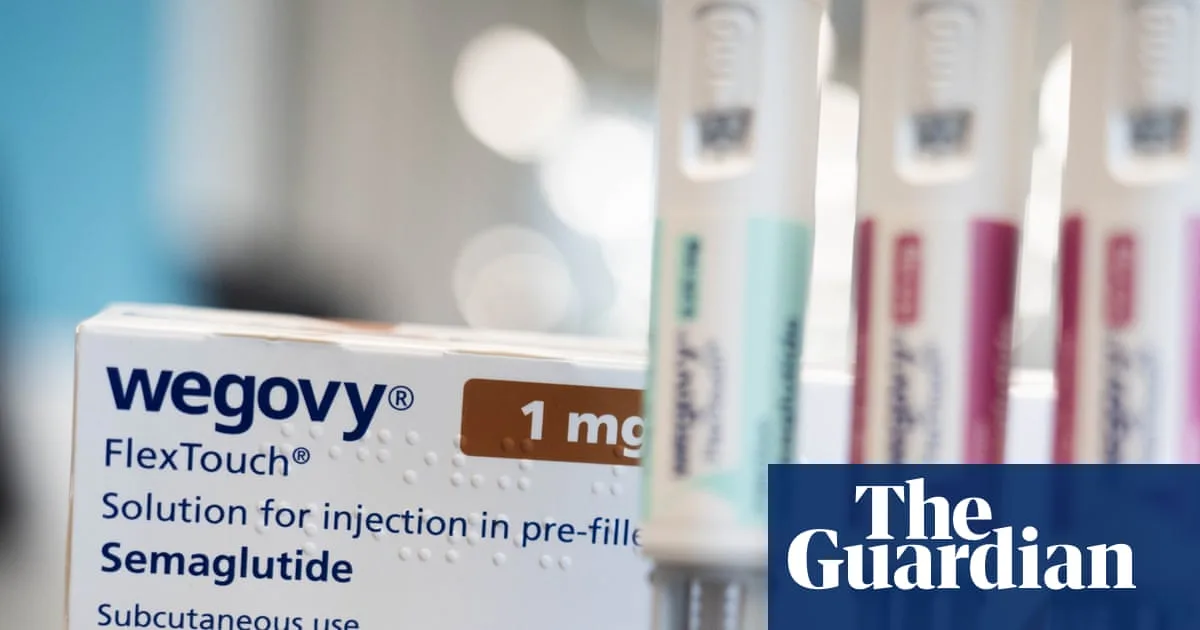
Researchers from the University of Oxford have discovered that individuals taking medications like semaglutide (Wegovy) and tirzepatide (Mounjaro) typically regain all the weight they lost within just 20 months of ending their course. The health benefits linked to the weight loss, including improved blood sugar, cholesterol, and blood pressure, also vanish.

Four Times Faster Regain Than Diet and Exercise

The analysis, published in the British Medical Journal (BMJ), examined 37 studies involving over 9,000 people. It found that while weight loss medication leads to significant initial results, the reversal is rapid.

On average, participants on any weight loss drug lost 8.3kg during treatment. However, they regained 4.8kg in the first year alone and were back to their starting weight within 1.7 years. For those specifically on Wegovy and Mounjaro, the swing was more pronounced: an average loss of nearly 15kg was followed by a 10kg regain in the first post-treatment year.

In stark contrast, people supported through behavioural programmes focusing on healthier diets and exercise maintained their weight loss for much longer—close to four years—before any average regain.

"The rate of weight regain is almost four times faster than after behavioural programmes," said Professor Susan Jebb of the University of Oxford, a key adviser on obesity to the government and NHS.

A "Chronic Treatment" for a Chronic Condition

The findings have ignited a crucial debate about the long-term strategy for tackling obesity. Professor Jebb emphasised that obesity is a chronic, relapsing condition, suggesting that effective treatments may need to be continued indefinitely.

"We should see this as a chronic treatment for a chronic condition," she stated, drawing a parallel with lifelong medication for high blood pressure.

The research raises significant questions for the NHS, where Wegovy is currently limited to a two-year prescription. It also serves as a critical warning for the vast majority of users who pay privately, often hundreds of pounds per month.

Professor Jebb cautioned that private users "need to be aware of the very high risk of rapid weight regain when treatment ends" to make informed decisions about the long-term financial commitment.

Nutritional Deficiencies and Muscle Loss Concerns

Separate research from University College London and the University of Cambridge, published in Obesity Reviews, adds another layer of concern. It highlights a lack of robust guidance for patients on these drugs regarding diet quality and protein intake.

Dr. Marie Spreckley from Cambridge warned that without integrated nutritional care, patients risk "preventable nutritional deficiencies and largely avoidable loss of muscle mass."

Dr. Adam Collins from the University of Surrey offered a biological explanation, comparing the process to withdrawal. He suggested that long-term use of GLP-1 agonist drugs may suppress the body's natural production, leading to a surge in appetite when the medication ceases.

An NHS spokesperson responded to the studies, affirming that while the injections are a valuable tool, they are "not a magic fix." The health service stresses that the drugs must be paired with ongoing behavioural and lifestyle support to achieve sustainable results.

The Oxford team concluded that further research is urgently needed to determine how best to support patients, whether through continuous treatment, intermittent courses, or enhanced behavioural therapy, to make the health benefits of these powerful drugs last.