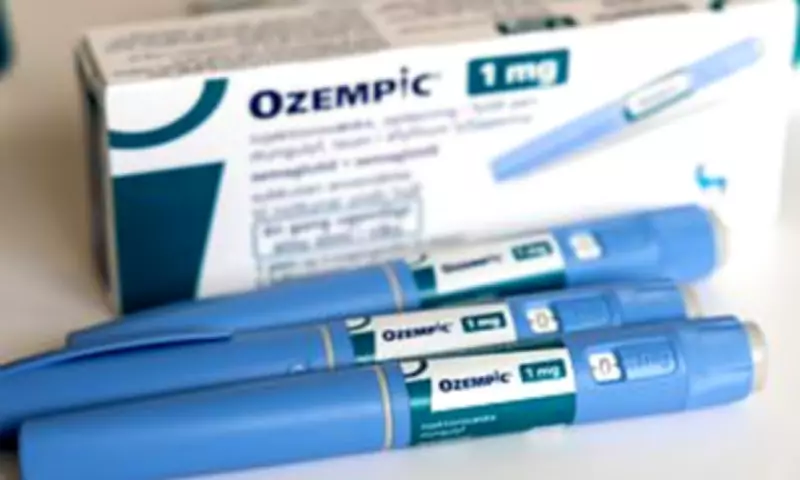
A landmark study suggests that weight-loss injections could significantly reduce the risk of breast cancer, even among women at high risk of the disease. Obesity is linked to at least 13 types of cancer, including breast, bowel, and pancreatic cancers. While losing weight is known to lower that risk, experts now believe that blockbuster drugs such as Ozempic, Wegovy, and Mounjaro may offer additional protective effects beyond simply helping people shed pounds.
Study Findings
After analyzing the health records of 94,827 women aged between 45 and 80, researchers found that those taking the drugs were approximately 30% less likely to develop breast cancer than those who had never used them. Professor Elizabeth McDonald, the study's lead author, stated: 'If the association proves causal, and GLP-1s prevent breast cancer, that is truly game-changing.' However, experts stress that more research is needed to establish cause and effect.
Methodology
The study included women of screening age in the US with a BMI of 25 or above—meaning they were clinically overweight or obese—who had undergone at least one breast screening. To address potential confounding factors such as age, race, diabetes status, and breast density, women prescribed GLP-1 drugs were matched with non-users who had similar health profiles. Ozempic is one of several GLP-1 drugs typically used to treat type 2 diabetes.

During the study, 2,314 women were diagnosed with breast cancer. Overall, 15,107 women had used a GLP-1 drug prior to screening. Of these, around 1.7% went on to develop breast cancer, compared to 2.6% of non-users. The researchers concluded that even after accounting for known risk factors—including breast density, type 2 diabetes, and obesity—GLP-1 drugs could help protect against breast cancer and may even prevent it.
Expert Commentary
Presenting the findings at the American Society of Clinical Oncology (ASCO) conference in Chicago, Professor McDonald said: 'We know that breast cancer risk is reduced after weight-loss interventions such as bariatric surgery, so a reduction in risk from weight alone is biologically plausible. At the same time, there is growing scientific interest in whether GLP-1 receptor agonists may have more direct biological effects, such as reducing inflammation—but the evidence remains mixed.' She added: 'If GLP-1s prevent breast cancer, that is truly game changing. However, establishing causality is essential so that women's healthcare is guided by high-quality evidence rather than observational associations alone.'
Additional Research
The team from the University of Pennsylvania is now calling on government agencies and cancer charities to fund a large-scale clinical trial. A separate study presented at ASCO found that patients who started using the jabs after being diagnosed with cancer appeared to slow the spread of the disease. The effect was most noticeable in those with lung and liver cancers, although the drugs also slowed the progression of breast and bowel tumours. Experts cautioned that it remains unclear whether any potential benefits are due solely to weight loss or if the drugs have additional, as-yet-unknown anti-cancer effects.
Context
Obesity is overtaking smoking as the leading modifiable risk factor for several cancers. It is also the only major behavioural risk factor that has been rising among younger adults over the past two decades, while more established risks such as smoking, alcohol, red meat consumption, and physical inactivity have remained stable or declined in England. Breast cancer is the most common cancer in women in the UK, with around 59,000 new cases each year. In the US, it accounts for about one in three new cancer diagnoses among women, with approximately 322,000 expected to be diagnosed in 2026.