
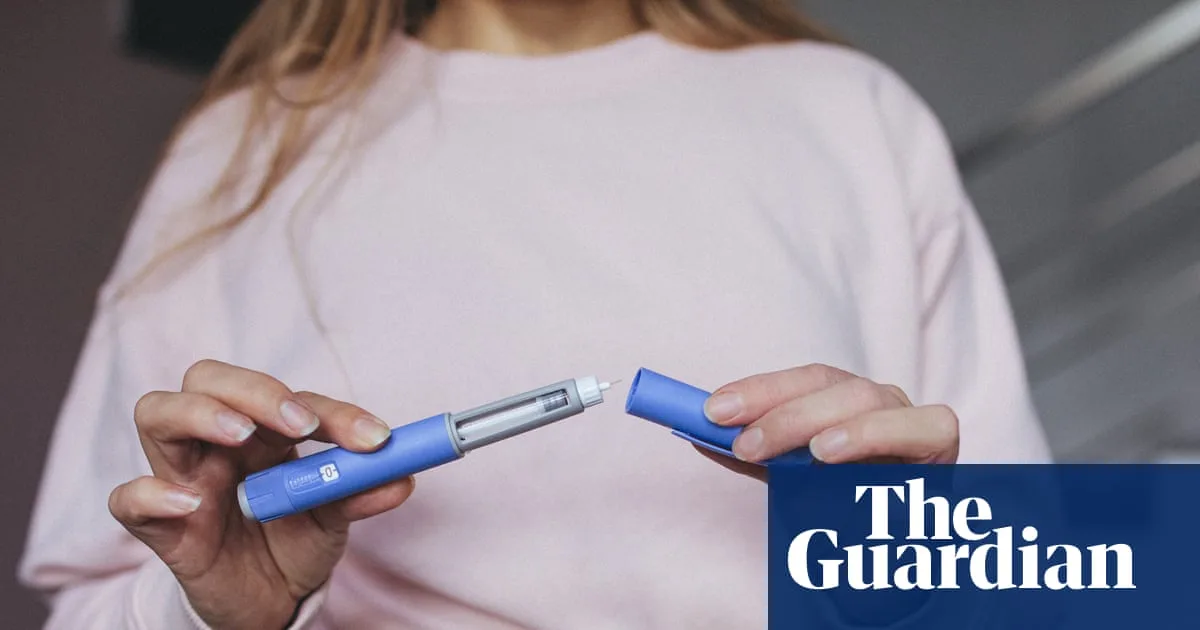
People who stop taking weight loss jabs regain all the weight originally lost in under two years, significantly faster than those on any other weight loss plan, according to a landmark study led by academics at the University of Oxford and published in the BMJ.
The study reviewed 37 existing studies involving 9,341 participants. On average, weight was regained at a rate of 0.4kg per month for people who had stopped taking the medication, with participants returning to their original weight within an average of 1.7 years after stopping. The rate of weight regain was almost four times faster compared with behavioural programmes, regardless of the amount of weight lost during treatment.
Dr Sam West, of the Nuffield Department of Primary Care Health Sciences at the University of Oxford, said the rapid weight gain was not due to the medication itself. “This isn’t a failing of the medicines – it reflects the nature of obesity as a chronic, relapsing condition,” he said, adding that it “sounds a cautionary note for short-term use without a more comprehensive approach to long-term weight management.”
The study also found that benefits on cardio-metabolic health markers, such as blood pressure and cholesterol, returned to original levels within 1.4 years of stopping treatment. Dr Faye Riley, research communications lead at Diabetes UK, said the research reinforces that weight loss drugs “are not a quick fix” and need to be prescribed with tailored wraparound support.
Katharine Jenner, executive director of the Obesity Health Alliance, said regaining weight after stopping treatment was not a failure of individuals but “reflects the reality of living in a food environment that continually pushes people towards unhealthy options.” An NHS spokesperson added that the drugs “must be paired with behavioural and lifestyle wraparound support” to keep weight off long term.




