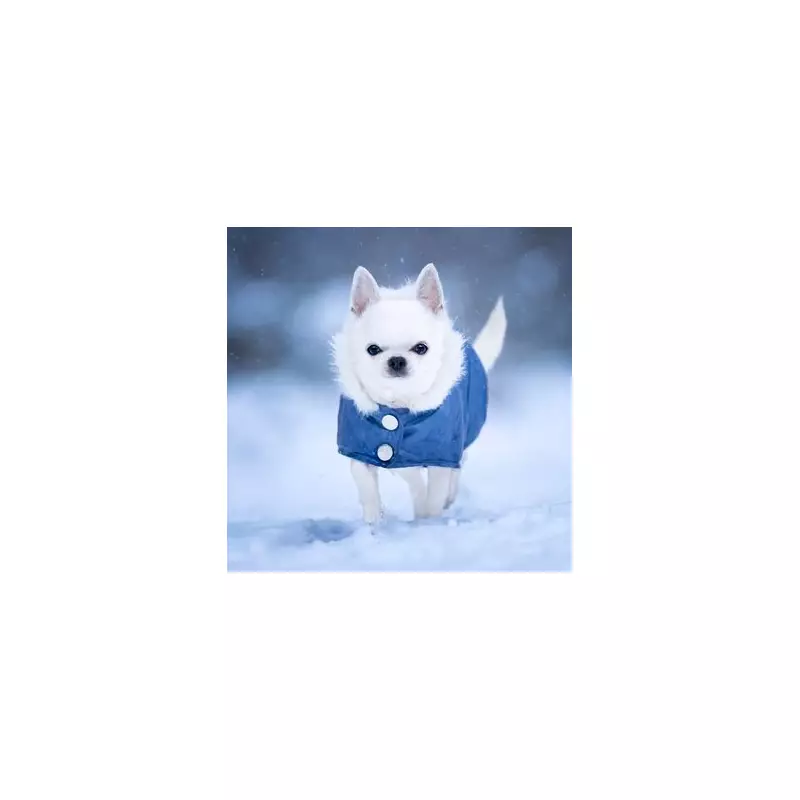
As the UK shivers under snow and ice warnings, a leading veterinarian has provided definitive guidance on a long-standing winter dilemma: should your dog wear a coat? Dr Katrina Warren has stepped in to settle the debate, pinpointing the specific breeds that require extra insulation during the chilly January walks.
Which Dog Breeds Really Need a Winter Jacket?
In a clear and candid video, Dr Warren identified six dog types that are particularly susceptible to the cold and should be outfitted with a jacket. The list is centred on physical traits like coat length, body fat, and stature.
The first breed highlighted was the Dachshund. Dr Warren explained their vulnerability stems from a combination of a short coat, a very long body, and short legs that place them close to the cold ground.

Sighthounds like the Greyhound and Whippet are next, due to their low body fat percentage and thin coats. She noted that Whippets "love to snuggle up in the warmest place in their house," indicating their need for a jacket outdoors. This also applies to their smaller relative, the Italian Greyhound.
Tiny breeds such as the Chihuahua, often called "pocket rockets," struggle to regulate their body heat. The list concludes with the hairless Chinese Crested, a breed whose need for warmth is self-evident.
Dr Warren added that beyond these six, dogs with generally short coats and senior dogs will also typically benefit from the extra layer.
General Rules for Canine Winter Wear
To put it plainly, most dogs do need a coat in cold, wet, or windy winter weather. This is especially crucial for small breeds, short-haired dogs (like Dobermans), puppies, older dogs, and those with existing health conditions.
A good coat provides essential warmth, protection, and comfort. However, there are notable exceptions. Naturally insulated breeds with thick double coats, such as Huskies, Alaskan Malamutes, and German Shepherds, usually do not require coats unless temperatures become extreme.
Signs Your Dog is Too Cold
It is vital for owners to monitor their pets for signals of discomfort. Key signs that your dog needs to warm up include:
- Visible shivering or trembling
- A hunched posture with a tucked tail
- Reluctance to keep walking or seeking shelter
- Whining or anxious behaviour
Conversely, coats are not always necessary and can be detrimental in milder weather, as they may cause a dog to overheat. The decision ultimately hinges on the individual dog's breed, age, health status, coat type, and the specific outdoor conditions.
For personalised advice regarding your own pet's needs during the winter months, consulting your local vet is always the best course of action.