
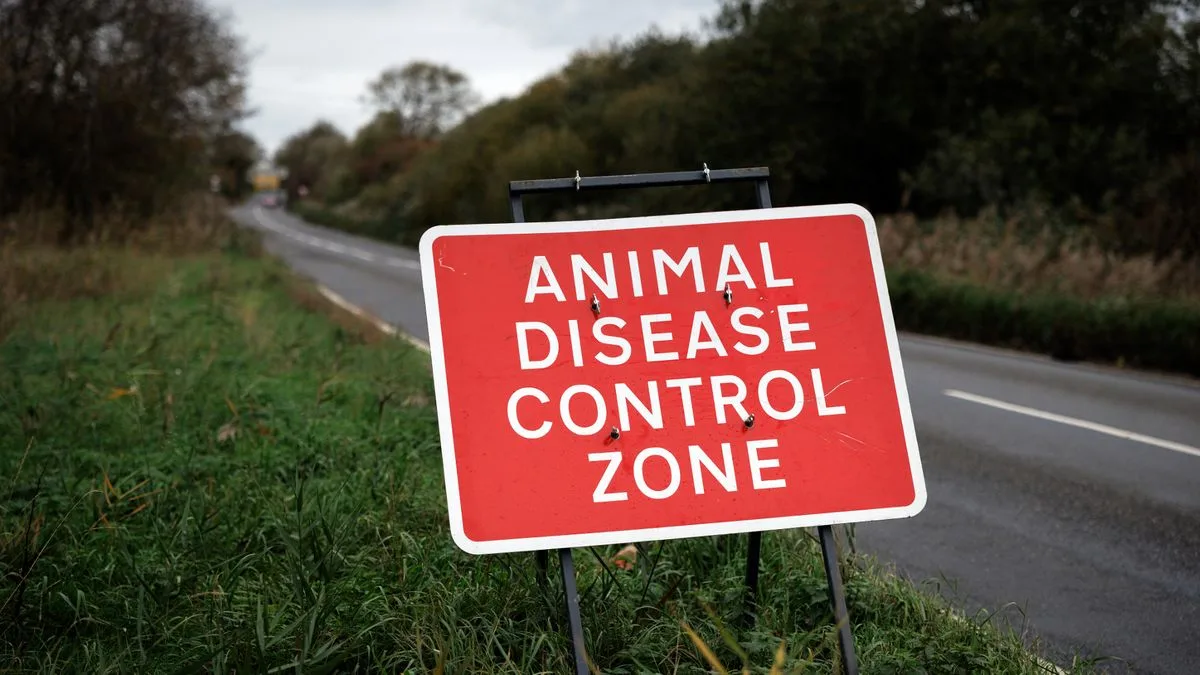
The UK Health Security Agency (UKHSA) has confirmed the return of the highly pathogenic H5N1 strain of avian influenza for the 2025-26 winter season, with 47 outbreaks detected across the country. The risk to the public remains very low, officials say.
So far, 36 outbreaks have been reported in England, seven in Wales, three in Northern Ireland and one in Scotland. The first case of the season was detected in England on October 11, and protection and surveillance zones are now in place around infected areas.
England and Wales have been placed under a prevention zone with mandatory housing measures for poultry. The UKHSA warns that while human infections are rare, certain strains, including H5N1, can cause illness in people who have close contact with infected birds or contaminated environments.
Symptoms of bird flu in humans vary. Most infections reported in the US have been mild, with symptoms resembling conjunctivitis – red, sore and discharging eyes. According to the NHS, symptoms appear within three to five days and include a very high temperature, aching muscles, headache, cough or shortness of breath. Earlier symptoms may include diarrhoea, sickness and stomach pain. In rare cases, bird flu can cause pneumonia and acute respiratory distress syndrome.
The UKHSA advises the public to avoid touching dead or visibly sick birds. Globally, the H5N1 strain has increasingly infected mammals such as foxes, otters, seals and cattle. In March, it was detected in a sheep in England for the first time. Experts warn that wider spread among animals gives the virus more opportunities to mutate.




