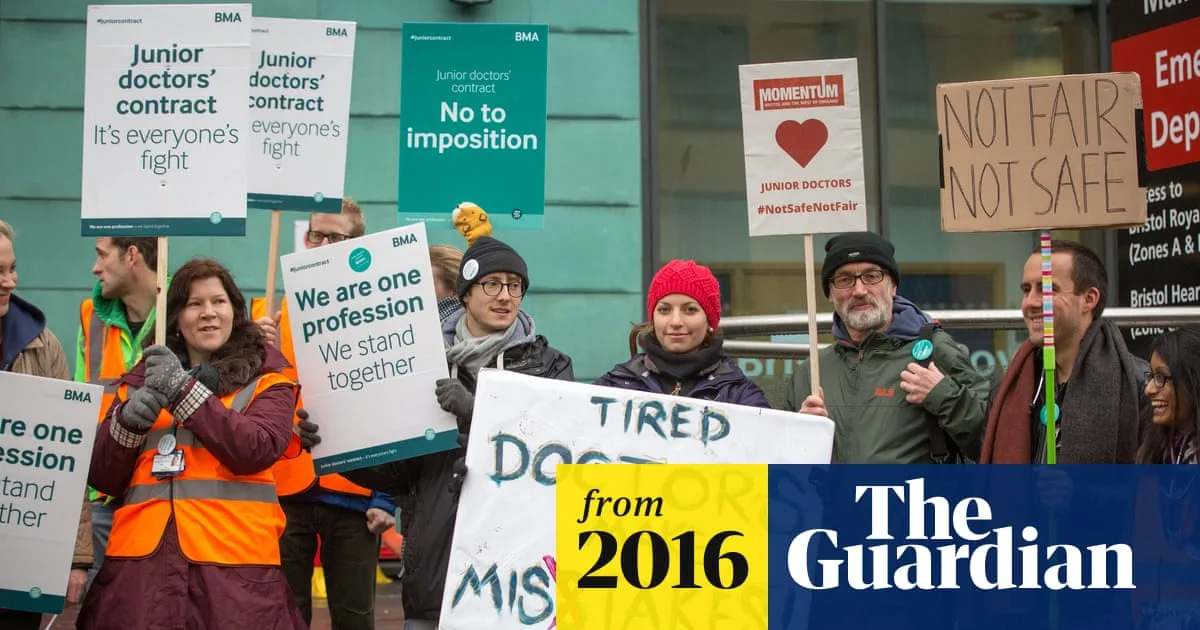
Junior doctors in England have begun their fourth strike in a long-running dispute over a new contract, causing the cancellation of more than 5,000 non-urgent operations. The 48-hour walkout, which started at 8am on Wednesday, is expected to put significant pressure on hospitals, coming shortly after the Easter break.
NHS England reported that 5,165 operations have been rescheduled, including 2,061 inpatient procedures and 3,104 day cases. The Department of Health condemned the strike as 'irresponsible and disproportionate,' noting that nearly 25,000 operations have been cancelled across all strikes so far.
Dr Anne Rainsberry, NHS England's national incident director, said: 'We've already seen that a 48-hour strike puts considerably more pressure on the NHS and it's deeply regrettable that thousands of patients are still facing disruption.' She added that planning efforts have been redoubled to respond to rising pressures.
A coalition of 36 health charities has urged both the Department of Health and the British Medical Association to resume peace talks, warning that strikes have become 'normalised.' However, no fresh talks are planned. Junior doctors will provide cover for life-or-death care during this strike but are scheduled to stage their first all-out strike on 26 and 27 April.
Dr Johann Malawana, chair of the BMA's junior doctor committee, blamed the government for the ongoing action. 'By pursuing its current course, the government risks alienating a generation of doctors,' he said, warning that low morale could lead to doctors leaving the NHS.