UK Loses Measles Elimination Status as WHO Issues Warning Over Declining Vaccination Rates
The World Health Organization (WHO) has officially removed the United Kingdom's measles elimination status, a significant blow to the nation's public health record. This decision follows a concerning rise in measles cases across the country, coupled with a steady decline in vaccination uptake among children. The move underscores growing fears about the resurgence of preventable diseases in the UK, which had previously been declared measles-free in 2017.
Surge in Cases and Falling Jab Uptake Prompt WHO Action
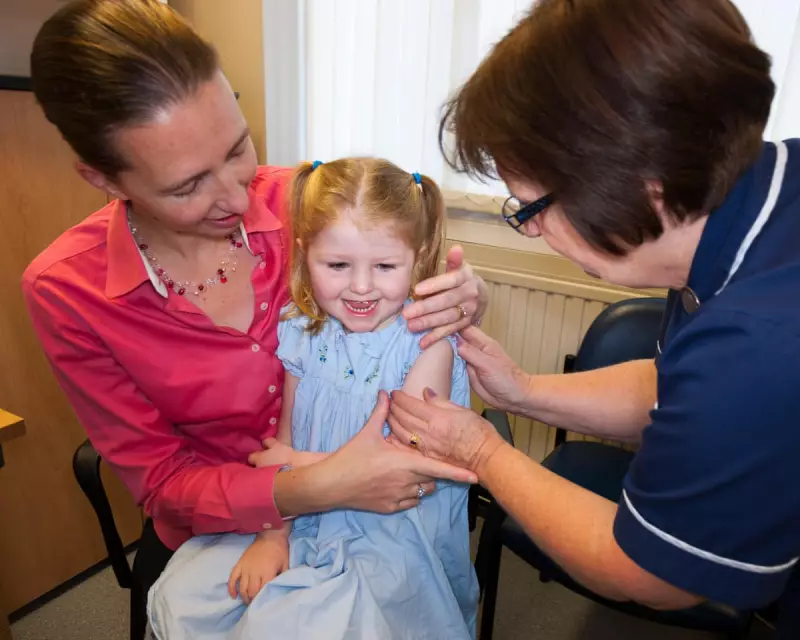
Health officials report that measles cases have increased dramatically in recent years, with outbreaks occurring in various regions. This uptick is directly linked to a drop in MMR (measles, mumps, and rubella) vaccination rates, which have fallen below the 95% threshold recommended by the WHO to maintain herd immunity. Factors contributing to this decline include misinformation about vaccine safety, access issues in some communities, and the disruption caused by the COVID-19 pandemic, which led to missed appointments and delayed immunisations.
The WHO's decision to revoke the UK's status is based on evidence that measles transmission has been re-established for over a year, indicating a failure to contain the virus. This marks a setback in global efforts to eradicate measles, a highly contagious disease that can lead to severe complications, including pneumonia, encephalitis, and in rare cases, death. Public health experts warn that without immediate action to boost vaccination rates, the UK could face more widespread outbreaks, putting vulnerable populations, such as infants and immunocompromised individuals, at greater risk.

Public Health Response and Calls for Urgent Measures
In response to the WHO's announcement, UK health authorities have emphasised the need for a coordinated national campaign to address the vaccination gap. Proposals include targeted outreach programmes in areas with low uptake, enhanced public education campaigns to combat vaccine hesitancy, and improved access to immunisation services. The government is also being urged to invest more in primary care and community health initiatives to ensure that all children receive timely vaccinations.
The loss of measles-free status serves as a stark reminder of the importance of maintaining high immunisation coverage. It highlights the broader challenges facing the NHS and public health systems, including resource constraints and the ongoing impact of health misinformation. As the UK works to regain its elimination status, experts stress that collective action from healthcare providers, policymakers, and the public is essential to protect community health and prevent future outbreaks of vaccine-preventable diseases.