Mother's Tumours Missed for Seven Years, Resulting in Infertility and Major Surgery
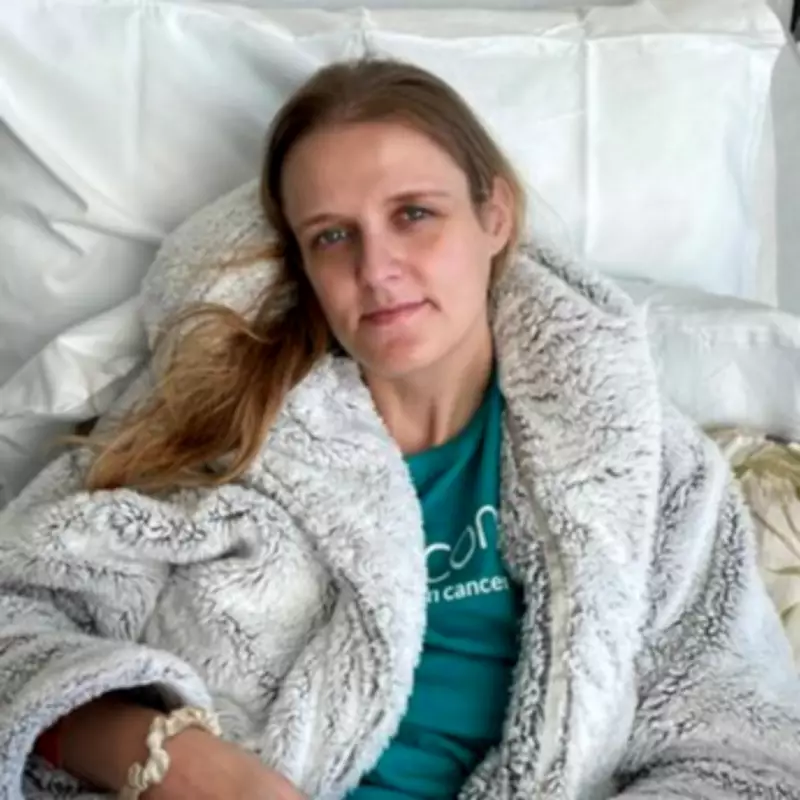
Caroline Padmore, a 36-year-old primary school teacher from Timperley, Greater Manchester, has revealed that doctors failed to detect orange-sized tumours in her abdomen for seven years, despite her repeatedly seeking help for agonising abdominal pain. The delayed diagnosis has had devastating consequences, including the removal of multiple organs and rendering her unable to have more children.
Years of Misdiagnosis and Unbearable Pain
Caroline spent nearly a decade making repeated visits to Accident and Emergency departments, where she would sometimes collapse from the severity of her abdominal pain. Medical professionals attributed her symptoms to various conditions, including polycystic ovary syndrome, appendicitis, or menstrual cramps, and consistently sent her home without further investigation.
It was only weeks after the birth of her first child, Leo, in October 2024, that the truth emerged. In December 2024, Caroline experienced a recurrence of the pain while breastfeeding and visited her GP a week later due to persistent vomiting. The GP conducted an abdominal examination and referred her to hospital, where an ultrasound and CT scan finally revealed the presence of "nasty" masses throughout her abdomen.

Devastating Diagnosis and Life-Altering Surgery
In January 2025, a biopsy confirmed that Caroline had low-grade serous ovarian cancer. Remarkably, the tumours had gone undetected during multiple ultrasounds and tests conducted throughout her pregnancy. Caroline expressed frustration, noting that while ultrasounds are often cited as crucial for diagnosing ovarian cancer, she was consistently told otherwise by her doctors.
In February 2025, Caroline underwent a major surgical procedure to remove her ovaries, cervix, womb, fallopian tubes, appendix, parts of her liver and diaphragm, her omentum, sections of her peritoneum and bowel, and multiple tumours. This extensive surgery resulted in an ileostomy, diverting her small intestine through a stoma, and plunged her into surgical menopause, which brings more severe symptoms than natural menopause.
The Heartbreaking Loss of Fertility
One of the most traumatic aspects for Caroline was being informed that she would no longer be able to conceive. She had been planning for a second child and was devastated by the news. Although offered the opportunity to freeze her eggs, Caroline declined due to the risks of delaying surgery and the hormonal treatments required.
She described feeling "less of a woman" after losing her reproductive organs and continues to be emotionally triggered by encounters with pregnant women or babies. Caroline emphasised that medical professionals sometimes make insensitive comments or ask inappropriate questions, exacerbating her distress.
Ongoing Treatment and Setbacks
Following her surgery, Caroline began weekly chemotherapy sessions, using cold capping to preserve her hair. However, the treatment was frequently interrupted by emergency hospital visits and adverse blood results. In August 2025, just days after completing chemotherapy, she required emergency bowel surgery, which doctors warned could have been fatal if delayed.
Recently, Caroline had her stoma reversed, but a biopsy taken during the procedure revealed microscopic cancer cells, indicating that chemotherapy had not been fully effective in certain areas. She is now on a hormone-blocking drug called letrozole and undergoes scans and blood tests every three months to monitor her condition.
Reflections and Warnings
Caroline has spent the past year in a "constant state" of recovery, with her son living with her parents during much of her treatment. She believes her age may have contributed to her symptoms being dismissed, despite her specific cancer type affecting younger women more commonly.
The CA-125 blood test, typically used to diagnose ovarian cancer, is unreliable for her rare cancer type. Caroline urges other women to trust their instincts, listen to their bodies, and persistently advocate for themselves when seeking medical answers. Her story highlights the critical importance of timely diagnosis and the profound impact of medical oversight on patients' lives.