
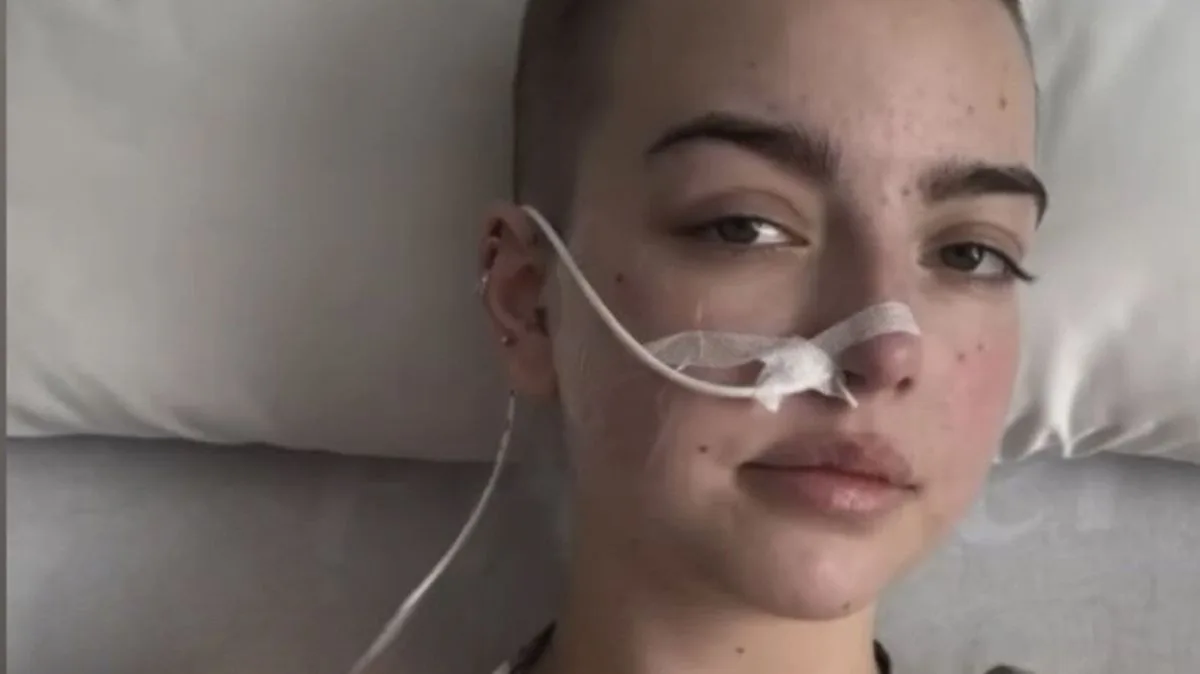
A young woman from Fife has spoken out after doctors repeatedly dismissed her symptoms as 'just being a teenage girl', only for her to be diagnosed with leukaemia. Sophia Maclaren, now 18, first visited a GP in August 2024 complaining of extreme tiredness and loss of appetite. She later passed out on a family holiday in Cyprus and was treated for suspected sunstroke.
Over the following five months, Sophia claims she saw a GP every two to three weeks, but her ongoing fatigue, nausea, dizziness and persistent bleeding were attributed to her period or her contraceptive implant. She was only referred to hospital when she developed lower back pain and a doctor asked about chest pain. Tests on 7 March 2025 confirmed she had leukaemia.
Sophia underwent two rounds of chemotherapy and was discharged in August 2025. Now cancer-free, she credits her mother for pushing for answers. 'If my mum wasn't as pushy as she was, I don't know what would have happened,' she said. She attends check-ups every three months and has monthly blood tests.
Sophia is now urging other young people not to accept medical dismissal. 'I had every symptom on the NHS list for leukaemia. Don't let GPs dismiss you – you know your body best,' she said. She believes her age and gender contributed to the delayed diagnosis.




