Government Announces Sunbed Crackdown to Combat Rising Skin Cancer Risks
The government has unveiled plans for a significant clampdown on sunbed regulations, with new measures expected to be introduced by 2027. These proposals will require customers to provide proof of age before using sunbeds, aiming to better protect young people from the serious health dangers associated with artificial tanning. This initiative forms part of the broader National Cancer Plan, which seeks to address preventable cancers linked to environmental factors.
Addressing Widespread Non-Compliance
The Department of Health and Social Care has revealed concerning evidence that teenagers as young as 14 are gaining access to tanning salons across the country. Many establishments are disregarding the existing ban on under-18s using sunbeds, which has been in place since the Sunbeds (Regulation) Act 2010. The new proposals aim to strengthen enforcement by introducing compulsory ID checks and prohibiting unsupervised sessions, targeting operators who flout current legislation.
Health Minister Karin Smyth emphasised the urgency of these measures, stating: "Stronger protections on sunbeds are needed so people understand risks that could have deadly consequences. The evidence is clear: there is no safe level of sunbed use, yet too many young people are being exposed to a known carcinogen with little understanding of the risks."

Understanding the Health Dangers of Sunbeds
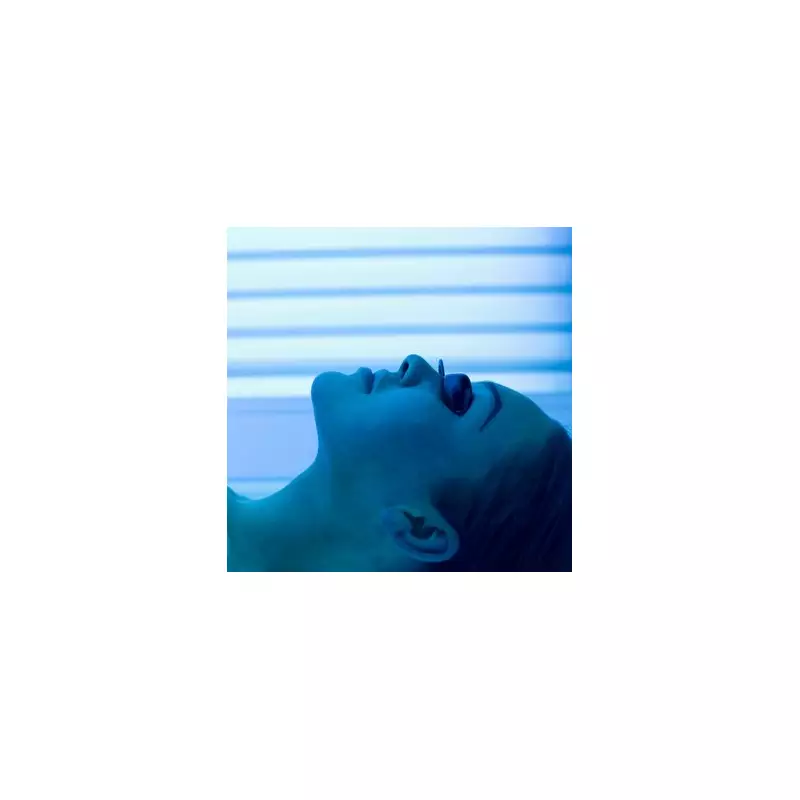
Sunbeds, along with sunlamps and tanning booths, deliver their tanning effects by emitting high-intensity ultraviolet radiation. This UV radiation can be more concentrated than natural sunlight, posing significant health risks even from the very first session. While the body requires some UV exposure for vitamin D production, excessive exposure damages DNA within skin cells and can trigger numerous health problems.
Cancer Research UK provides clear guidance on this matter: "Too much UV radiation from the sun or sunbeds causes skin cancer. If you want a tan, using fake tan from a bottle or a spray tan is safer than using a sunbed or sunbathing. There's no such thing as safe UV tanning."
The Multiple Health Consequences of UV Exposure
Excessive UV radiation represents the third leading cause of cancer in the United Kingdom and serves as the primary driver of skin cancer cases. However, the health implications extend far beyond cancer risks alone. The damaging effects of sunbed use include:
- Premature skin ageing: Extended UV exposure harms skin cells and connective tissue, leading to wrinkles, sun spots, sagging, and a leathery appearance developing at younger ages
- Eye damage: Without adequate eye protection, UV radiation can harm ocular structures, increasing long-term risks of cataracts and ocular melanoma
- Immune system suppression: UV exposure can weaken the body's natural defences, heightening susceptibility to infections and impairing disease-fighting capabilities
The Alarming Statistics Behind Sunbed Risks
Research indicates that even a single sunbed session can significantly elevate health risks. NHS Inform highlights that just one use before reaching 35 years of age substantially increases melanoma risk. According to the World Health Organisation, using a sunbed before turning 20 raises the risk of melanoma skin cancer by 47% compared to those who have never used one. The WHO has classified sunbeds as being equally hazardous as smoking, underscoring the severity of the threat.
Minister Smyth concluded: "These proposals will crack down on rogue operators and ensure the law is properly enforced. Prevention saves lives, and we will do everything we can to protect people from avoidable cancers." The government's renewed focus on sunbed regulation reflects growing concern about preventable health conditions and represents a significant step toward better public health protection.