
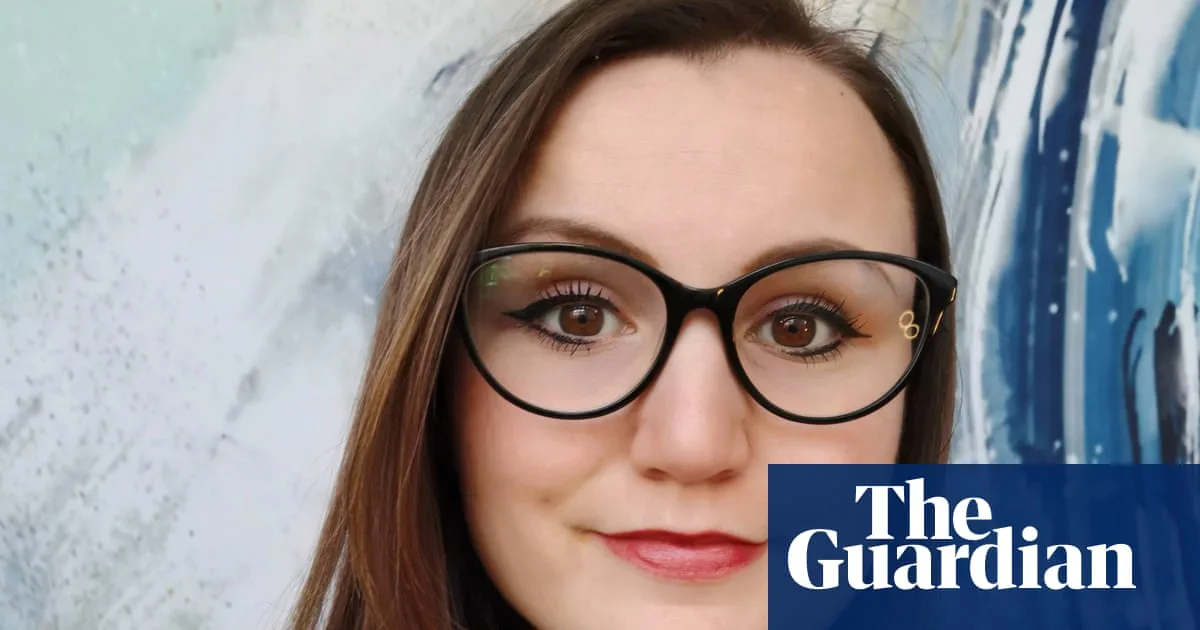
A psychologist who was denied sterilisation on the NHS has successfully challenged the decision after taking her case to the health ombudsman, reigniting debate over access to the procedure. Leah Spasova spent years seeking an operation to block her fallopian tubes, and critics argue that barriers faced by women amount to unequal treatment compared with men seeking vasectomies.
In 2024-25, 10,793 female sterilisations were carried out in England, down 22% on a decade ago, while there were 26,385 vasectomies, up 16% year on year. Charlotte Glynn, a research and innovation nurse at the British Pregnancy Advisory Service, said: 'Working in abortion care, we see many women who have been placed on waiting lists for sterilisation or have requested it but been told they are too young. There is a real problem with women not being trusted to make decisions about their own bodies.'
Glynn described access as a 'postcode lottery' and said the procedure was not always treated as essential, meaning women rarely reached the top of waiting lists. She cited a patient who had asked her GP for a referral three times but was told she was too young, later becoming pregnant and having an abortion. 'Some women feel more empowered after that experience to go back and insist they do not want more children,' Glynn added.
However, Anna Glasier, an emeritus professor at the University of Edinburgh, argued that women do have the same access as men. She noted that long-acting reversible contraception provides a method as effective as sterilisation but is instantly reversible. 'It makes sense to offer it to them, while for men the only other methods are condoms or withdrawal,' she said. Glasier also highlighted that regret rates can be as high as 20%, particularly among younger patients or those sterilised soon after pregnancy.




