Spain's First Euthanasia Death: Paraplegic Rape Victim's Legal Battle Concludes
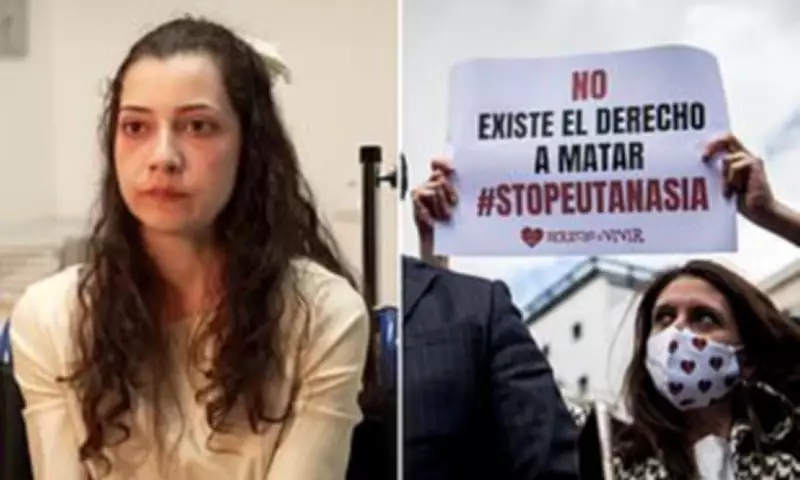
Noelia Castillo, a 25-year-old paraplegic gang-rape victim from Barcelona, has become the first person in Spain to die by euthanasia. Her death occurred on Thursday at the Sant Pere de Ribes assisted living facility, where she resided, bringing an end to a protracted legal conflict that spanned more than eighteen months. The case has ignited intense debate over end-of-life rights and family intervention in Spain.
A Tragic History and a Determined Decision
Castillo's journey to this point was marked by profound suffering. In 2022, she became paraplegic after jumping from a roof in a suicide attempt. This desperate act followed a gang rape, which she described as a turning point in her life. According to Spanish media reports, she was sexually abused by an ex-boyfriend and three other men just days before her suicide attempt. "I didn't report it because it was days before I tried to kill myself," she said of the assault.
Her physical condition resulted from a severe spinal cord injury sustained in the fall, leaving her unable to move from the waist down and causing debilitating neuropathic pain and incontinence. Prior to this, Castillo had a troubled childhood, spending much of it in care due to her parents' addiction and mental health issues. She also reportedly suffered from borderline personality disorder and obsessive-compulsive disorder with paranoia and suicidal ideation, leading to severe mood swings and instability.

The Legal Struggle Over Her Right to Die
In July 2024, the Catalan government approved Castillo's request for euthanasia under Spain's 2021 law, which allows individuals of sound mind with "serious and incurable illnesses" or "chronic and disabling" conditions to seek assistance in dying. However, her father, supported by the ultraconservative Catholic group Christian Lawyers, launched a series of legal challenges to block the procedure.
He argued that her mental disorders could impair her ability to make a "free and conscious decision" as required by law and claimed there were indications she had changed her mind. Additionally, he contended that her condition did not involve "unbearable physical or psychological suffering." Despite these appeals, multiple levels of the Spanish legal system, including the Constitutional Court and the Supreme Court, rejected them, clearing the way for the euthanasia.
A last-minute attempt to halt the procedure at the European Court of Human Rights was also rejected this week. While the court will continue to examine the case for potential rights violations, its decision allowed the euthanasia to proceed without delay. The legal aftermath is expected to persist, with Christian Lawyers filing further complaints against medical professionals and officials involved.
Family Dynamics and Final Wishes
Castillo spoke openly about her decision and the familial discord it caused. "I want to go now and stop suffering, period. None of my family is in favor of euthanasia. But what about all the pain I've suffered during all these years?" she said. She expressed frustration with her father's actions, accusing him of failing to respect her wishes and questioning his motives. "He hasn't respected my decision and he never will," she stated in her final interview.
Her mother, Yolanda, appeared alongside her in interviews, expressing sorrow but respect for her daughter's choice. "I do not agree, but I will always be by her side," she said, adding that she wished she had a "magic wand" to change Castillo's mind. Castillo planned her final moments meticulously, stating, "I've told them how I want it to be. I want to die looking beautiful. I'll wear my prettiest dress and put on makeup; it will be something simple." She invited her family to say goodbye beforehand but wished to be alone during the injection.
Broader Implications and Ongoing Debates
This case highlights the complexities of Spain's euthanasia law, which places strict requirements on eligibility. It has sparked broader discussions about mental health, autonomy, and religious opposition, with conservative groups like VOX demonstrating against the legislation. The European Court of Human Rights' pending ruling may further influence future cases, ensuring that the legal questions raised by Castillo's death remain unresolved.

Castillo's final message underscored her personal struggle: "I've finally done it. Let's see if I can finally rest because I can't take this family anymore, the pain, everything that torments me from what I've been through. I don't want to be an example for anyone, it's simply my life, and that's all." Her death marks a significant moment in Spain's evolving approach to end-of-life care, setting a precedent for future requests under the 2021 law.