Sleep Monitoring Apps Could Exacerbate Insomnia Symptoms Through Inaccurate Data
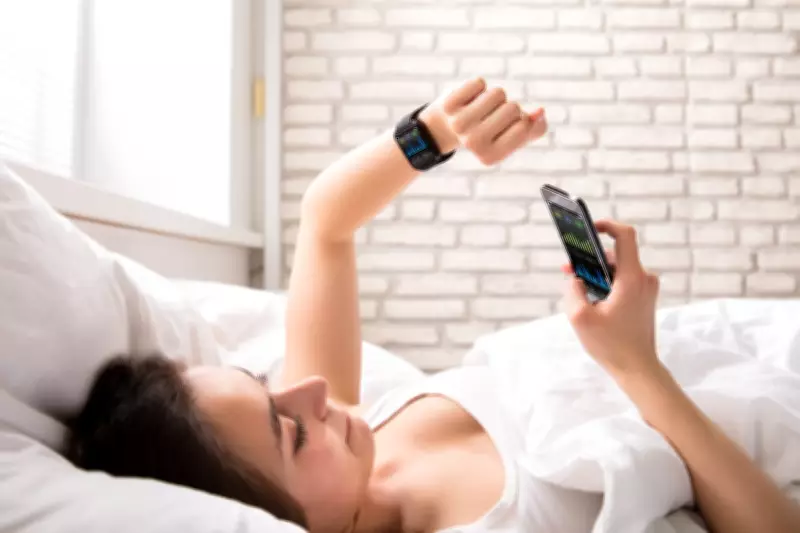
Smartphone applications designed to monitor sleep patterns may inadvertently heighten stress and anxiety for individuals struggling with insomnia, according to new scientific research. Experts warn that while these digital tools offer potential benefits for some users, they frequently deliver imprecise results that can foster unnecessary worry about sleep quality. The proliferation of sleep tracking technology, commonly integrated into wearable devices like smartwatches and fitness bands, has been documented by Norwegian researchers in the journal Frontiers In Psychology.
"This technological advancement has paralleled growing public interest and awareness surrounding sleep health, with the majority of contemporary health applications now incorporating sleep monitoring as a standard feature of daily tracking," the researchers noted. The study team explained that typical sleep apps record when users fall asleep, total sleep duration, and sometimes assess sleep quality through calculated "sleep scores."
Study Methodology and Participant Demographics
For their comprehensive investigation, researchers recruited 1,002 participants comprising 508 men and 494 women with an average age of fifty years. Among these volunteers, 461 individuals reported current or previous usage of sleep tracking applications, with the majority relying on smartwatch technology (411 participants) followed by dedicated mobile applications (65 participants). The research revealed that sleep app utilization was more prevalent among female participants than their male counterparts.

Approximately fifty-seven percent of adults aged eighteen to fifty reported using sleep monitoring applications, a significantly higher adoption rate compared to older demographic groups. Participants provided detailed feedback about their experiences with these digital tools, including both positive and negative aspects alongside their emotional responses to app usage.
Contrasting Effects Across Different User Groups
The study documented that positive outcomes were reported more frequently than negative consequences. Specifically, fifteen percent of respondents indicated that sleep applications improved their sleep quality, while just 2.3 percent reported deterioration in their sleep patterns. The most commonly cited benefit was enhanced understanding of personal sleep patterns, acknowledged by forty-eight percent of participants.
Conversely, the predominant negative effect was increased worry about sleep, experienced by seventeen percent of users. The research team observed: "Our findings suggest that younger users experience more pronounced effects, both beneficial and detrimental, from sleep app usage compared to older adults. Younger age cohorts (18–35 and 36–50 years) were more likely to report advantages like 'improved sleep' and 'prioritising sleep,' whereas older participants (66+) demonstrated reduced likelihood of reporting such benefits."
Researchers noted that younger adults exhibit greater tendency to use electronic media in bed, indicating they may possess more potential to modify sleep habits and consequently perceive stronger effects from sleep applications. However, these younger demographic groups also reported elevated levels of stress and concern regarding sleep, suggesting increased vulnerability to negative impacts from digital health information.
Heightened Impact on Insomnia Sufferers
The investigation further discovered that individuals diagnosed with insomnia reported substantially more negative consequences from sleep tracking applications. "Particularly, people with insomnia appeared more susceptible to negative thoughts and worries about sleep," the researchers documented. Insomnia sufferers more frequently agreed or strongly agreed with statements like "something is wrong with my sleep" and "I am more worried about my sleep."

The research team proposed several explanations for this phenomenon, noting that insomnia patients often demonstrate excessive cognitive activity and attentional biases, including heightened focus on sleep-related threats and pessimistic expectations about sleep interventions. They may also harbor dysfunctional beliefs about sleep and experience difficulty disengaging from sleep-related concerns. The researchers concluded: "Consequently, sleep app usage may function as a potential contributor to increased sleep-related stress and anxiety."
Expert Recommendations for Sleep App Users
Researcher Karl Lundekvam from the University of Bergen advised: "We would urge individuals who experience increased stress through sleep app usage to educate themselves about the specific metrics these applications measure and their accuracy levels. If this knowledge doesn't alleviate concerns, consider removing your sleep tracking device overnight or disabling notifications. We encourage app users to employ feedback as motivation to establish beneficial sleep habits, such as minimizing screen time before bedtime."
Fellow researcher Hakon Berge, also from the University of Bergen, added: "We additionally recommend that people listen to their body's natural signals and retire to bed only when genuinely feeling tired. The bedroom environment should remain strongly associated with sleep, and going to bed before your body requires rest may cause prolonged wakefulness that could exacerbate existing sleep difficulties. It proves more advantageous to go to bed when your physiological need for sleep genuinely demands it."