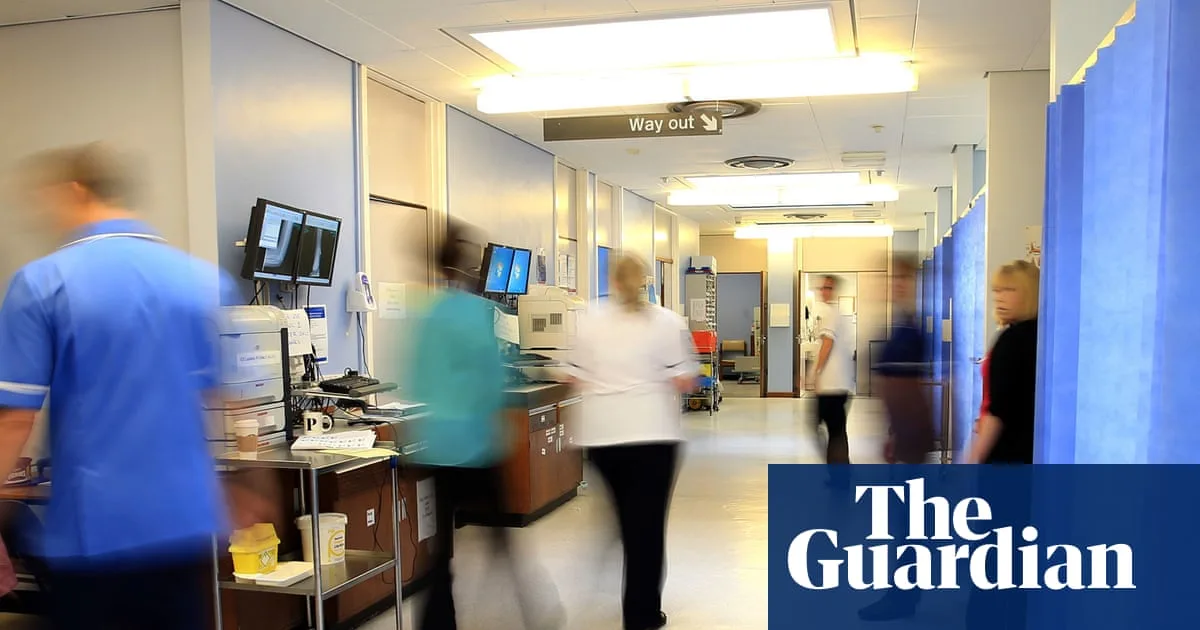
The NHS is bracing for its worst ever winter crisis in the next fortnight as a worsening 'flu-nami' leaves hospitals, GP surgeries and ambulance services under intense strain. Hospitals are already treating record numbers of people seriously ill with flu for this time of year, but NHS leaders warn the peak is not yet in sight.
NHS England data released on Thursday showed an average of 2,660 people a day were being treated in hospital last week as a direct result of flu – 55% up on the 1,717 the week before and the highest number ever seen in the first week of December. This included 106 people in intensive care, mostly with difficulty breathing.
Prof Meghana Pandit, NHS England's joint medical director, said: 'The number of patients in hospital with flu is extremely high for this time of year. Even worse, it continues to rise and the peak is not in sight yet, so the NHS faces an extremely challenging few weeks ahead.' Respiratory syncytial virus (RSV) and Covid are also causing problems, threatening to 'engulf hospitals'.
The UK Health Security Agency (UKHSA) appealed for people who have not had a flu jab to get one as soon as possible. Dr Conall Watson, a consultant epidemiologist at UKHSA, said: 'There is still plenty of flu vaccine available to protect those who need it. What's running out is time to be protected ahead of Christmas.' The agency noted that a drifted H3N2 strain is circulating, meaning less natural immunity, but the vaccine is effective at preventing severe disease.
Take-up of the flu vaccine among at-risk groups remains worryingly low. Just 37.4% of under-65s with long-term health conditions, 35.6% of pregnant women, and around 42% of children aged two or under and three-year-olds had been vaccinated by 7 December. However, take-up among over-65s is much higher at 71.7%.
Meanwhile, the government has urged resident doctors to endorse a new pay offer to avoid a five-day strike starting next Wednesday, which NHS England chief executive Sir Jim Mackey described as 'cruel' and 'calculated' to 'cause mayhem'. Doctors also urged the public to minimise risk through masking, social distancing, and checking on older relatives.