Rare Cancers Legislation Brings Hope to Patients Facing Incurable Brain Tumours
A new draft law focusing on rare cancers is offering a glimmer of hope to individuals diagnosed with incurable brain tumours, such as Abi Feltham, who received her devastating diagnosis in May 2024.
Personal Story of Resilience
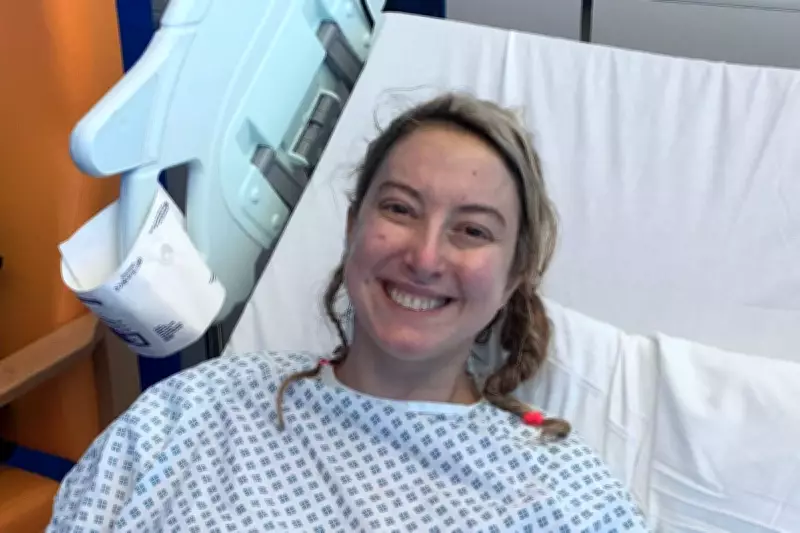
Abi Feltham, a 37-year-old London resident, was told she has approximately 15 years to live after being diagnosed with a grade three oligodendroglioma, an incurable brain cancer. Despite this prognosis, Ms. Feltham maintains a positive outlook, stating she "fully expects to outlive" her diagnosis. She had initially attributed symptoms like headaches and blurred vision to caffeine consumption before her diagnosis.
Speaking as an ambassador for Brain Tumour Research, Ms. Feltham expressed her hopes tied to the proposed legislation: "I have a lot of living left to do, but there will come a time where my oncologist will tell me there's nothing more we can do. So with the Rare Cancers Bill coming up, if things change, and I will have easy access to clinical trials and to new drugs, that gives me hope."

Key Provisions of the Rare Cancers Bill
The Rare Cancers Bill, which is set for its third reading in the House of Lords, includes several critical measures designed to address the challenges faced by rare cancer patients:
- Establishment of a national database to connect rare cancer patients with relevant clinical trials.
- Creation of a national lead on rare cancers to promote and facilitate research efforts.
- A requirement for the Health Secretary to review laws concerning "orphan" drugs, which are treatments for rare conditions that currently lack incentive for pharmaceutical development due to small market sizes.
Rare cancers, defined as tumours affecting fewer than six in 100,000 people, are often complex and deadly, with limited treatment options available.
Political and Advocacy Support
The Bill was introduced by Labour MP Scott Arthur for Edinburgh South West, inspired by his father-in-law's death from glioblastoma. Mr. Arthur has criticised the current situation, stating: "The left behind nature of rare and less common cancers is unacceptable. Other countries have measures in place to encourage this life-saving research, it's time the UK does too."
If passed by peers, the Bill will become law following royal assent, potentially transforming the landscape for rare cancer treatment in the UK.
Broader Implications for Cancer Care
Dan Knowles, chief executive at Brain Tumour Research, highlighted the urgency of the issue, noting that over one thousand people will be diagnosed with brain tumours next month alone. He emphasised: "Through a greater focus on research, access to clinical trials and smoother pathways to drug approval, we hope to see change and improved survival rates for brain tumour patients. We will be working to ensure the law, along with other commitments in the National Cancer Plan, is implemented and lives up to its promise for our community."
This legislative move aims to bridge gaps in cancer care, offering not just hope but tangible improvements in survival rates and quality of life for those battling rare and often overlooked cancers.