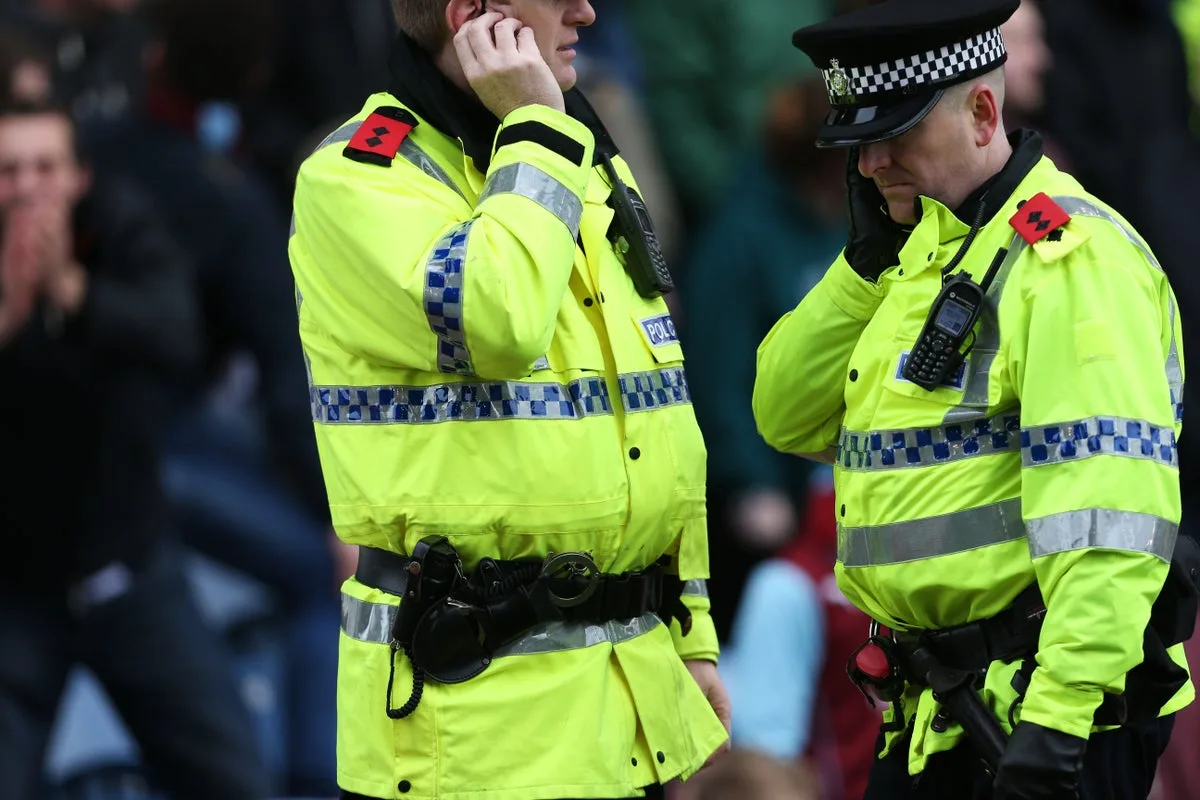
Police Officers' Hearing at Risk from Earpiece Use, University Study Reveals
New research from the University of Manchester has issued a stark warning that the earpieces worn by police officers across the United Kingdom might be causing significant damage to their hearing. The study, which focused on frontline officers, indicates these communication devices could be responsible for long-term auditory problems that have been repeatedly raised by police personnel.
Alarming Statistics on Immediate and Long-Term Effects
The comprehensive research found that more than 45% of officers who use earpieces reported experiencing signs of temporary hearing loss immediately after using the devices. This immediate after-effect is particularly concerning when considering the long-term implications identified by the study.
Researchers discovered that earpiece use accompanied by these immediate after-effects more than doubled an officer's risk of developing tinnitus – a persistent ringing or buzzing in the ears. Furthermore, the study revealed that such earpiece use raised the risk of having diagnosed hearing loss by a substantial 93%.
Clear Correlation Between Device Use and Symptoms
Professor Chris Plack from the University of Manchester noted that while temporary hearing loss after loud events like concerts is not unusual, it is "concerning" for police officers to be experiencing such effects in their workplace environment. The research team found the symptoms were much more common in the ear with the earpiece than in the opposite ear, strongly suggesting a direct link between device use and hearing problems.
Lead researcher Dr Hannah Guest told the Press Association: "We were surprised that earpiece use with after-effects was so strongly linked to long-term hearing symptoms. The fact that symptoms tended to appear in the exposed ear, rather than the opposite ear, is a particularly telling finding."
Police Federation Expresses Significant Concerns
The Police Federation has confirmed that officers have repeatedly raised the issue of hearing loss following earpiece use. Richie Murray, the Federation's health and safety lead, stated: "We have significant concerns regarding the potential for hearing loss linked to the prolonged use of earpieces, high audio volume levels particularly within shared estate environments and the inconsistent application of hearing assessments across forces."
Murray emphasized that the health, safety, and wellbeing of police members remain the Federation's highest priority, adding: "The issues highlighted in this report echo what frontline officers have repeatedly raised with us. We will continue to monitor this situation closely and work collaboratively with forces to ensure appropriate safeguards are implemented to better protect officers' hearing."
Technical Specifications and Research Methodology
The earpieces worn by most officers in the UK are designed to be capable of high sound levels so they can be heard over background noise during operational duties. Police typically wear them in one ear to maintain contact with colleagues while on duty.
Published in the academic journal Trends In Hearing, the study respondents were members of a long-term project on police health at Imperial College London. Dr Guest indicated that laboratory hearing tests are now needed to confirm whether earpiece users have measurable differences between their ears, which would provide further evidence of the devices' impact.
The research highlights a growing occupational health concern for police forces nationwide, suggesting that current communication equipment may be compromising officers' long-term auditory health despite its operational necessity.




