Parents Accuse First Minister of Ignoring Pleas in NHS Infection Scandal
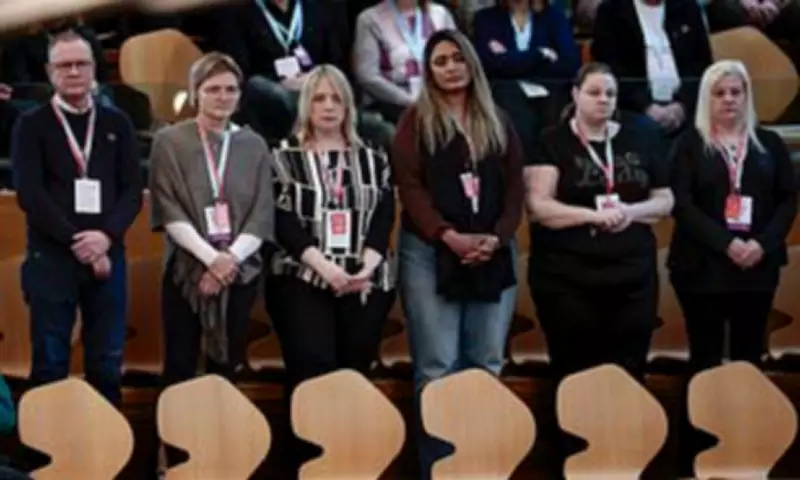
Parents who believe their children have been permanently disabled due to the NHS infections scandal have publicly accused First Minister John Swinney of "turning his back" on their families. The emotional confrontation occurred yesterday at Holyrood, where families watched from the gallery as Scottish Labour leader Anas Sarwar read out their heartbreaking accounts.
Families Demand Action Against Alleged Cover-Ups
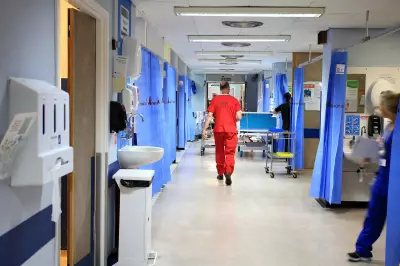
The parents are demanding comprehensive case reviews to expose what they describe as systematic "cover-ups" at Glasgow's Queen Elizabeth University Hospital. They allege their children received powerful antibiotics that caused life-altering complications, with many now suffering chronic conditions.
Karen Stirrat, whose ten-year-old son Caleb experiences walking difficulties, chronic pain and incontinence following brain tumour treatment, expressed her outrage: "For John Swinney to turn his back on us today is appalling."

Another parent, Mark Bisset, whose fourteen-year-old daughter Charly has entered early menopause after hormone problems following leukaemia treatment, said he wanted to ask Mr Swinney directly: "How do you sleep at night?"
Medication Concerns and Hospital Safety Questions
The parents were originally told that anti-fungal and anti-bacterial drugs, typically administered for brief periods, formed part of standard cancer treatment protocols. They now suspect medical professionals prescribed these medications for extended durations—sometimes up to nine months—because the £1 billion super-hospital's environment was unsafe, while deliberately withholding this information from families.
All affected parents stated they would avoid QEUH whenever possible and warned that other families are currently experiencing similar situations at the facility.
First Minister's Response and Inquiry Limitations
During First Minister's Questions, Mr Sarwar highlighted that while there has been "understandable focus on the lives lost" at QEUH, "many others have been harmed." He detailed specific cases:
- Aneeka's nine-year-old daughter Eshaal, who wakes most mornings screaming with stomach pain
- Leann's thirteen-year-old son William, whose medication caused such severe sickness that he burned all enamel from his teeth
- Charmaine's nine-year-old daughter Paige, who experiences limb pain and severe stomach issues preventing school attendance
Mr Sarwar then directed Mr Swinney's attention to the families in the gallery, stating: "All the families whose tragic stories I have shared are here today... each and every single one of them have spent years having to stand up for themselves against a system that has misled them and treated them appallingly."
The Labour leader emphasized that Lord Brodie's public inquiry—established to investigate rushed and flawed work at QEUH and Royal Hospital for Children that led to infection outbreaks after the 2015 opening—does not examine individual cases. He urged Mr Swinney to "commit to setting up a genuinely independent expert panel to look at each of these cases on an individual basis."
Swinney's Position and Historical Precedent
Mr Swinney responded that he must await Lord Brodie's inquiry findings before taking action, stating: "I can't give an opinion about the clinical decisions that are offered in individual cases... I have to reserve my position until we get the report from Lord Brodie."
However, there exists precedent for parallel approaches. The judge-led Eljamel Inquiry into a rogue NHS Tayside surgeon operates alongside a Clinical Review allowing patients and families to discuss their cases individually.
Families' Reactions and Continued Concerns
Following the session, families expressed their frustration to media. Alfred Rawson, whose daughter Paige developed hearing, eye and gut problems after eight months of prophylaxis for leukaemia, argued: "I think he's hiding behind the public inquiry. The inquiry was set up to look at construction, build, the water and ventilation. This is totally different."

Charmaine Lacock, Paige's mother, added: "We have disabled children for life because of choices the Scottish Government made. We need someone to look at the long-term side effects of these drugs, which our children were given again and again."
Ms Stirrat, whose son continues receiving treatment at QEUH, warned: "That hospital is not a safe place... That's why we're calling for this help from the government, because we want other families not to go through what we went through."
Broader Context and Official Responses
The scandal's scale includes two child deaths and at least 84 illnesses from infections contracted at the hospital site. NHS Greater Glasgow & Clyde denied for years that building issues were responsible, only conceding last month a probable link to contaminated water systems.
In closing written statements to the inquiry, NHSGCC suggested it faced political pressure to admit patients before QEUH was fully prepared—a claim Mr Swinney vehemently denied, despite having told SNP conference attendees just one month before patient admissions began that QEUH would open "on time and on budget."
A spokesman for the First Minister stated Mr Swinney would be "very happy to meet with those families, once he has had a chance to consider the issues that were put to him."
NHSGCC maintained in a statement: "While we cannot comment on individual patient cases, consultants are always transparent with families about medication provided... The environment at the Royal Hospital for Children is safe and this medication continues to be prescribed to some patients receiving treatment as part of patient medical protocol."