From Opioid Addiction to Elite Marathon Runner: Ken Rideout's Inspiring Transformation
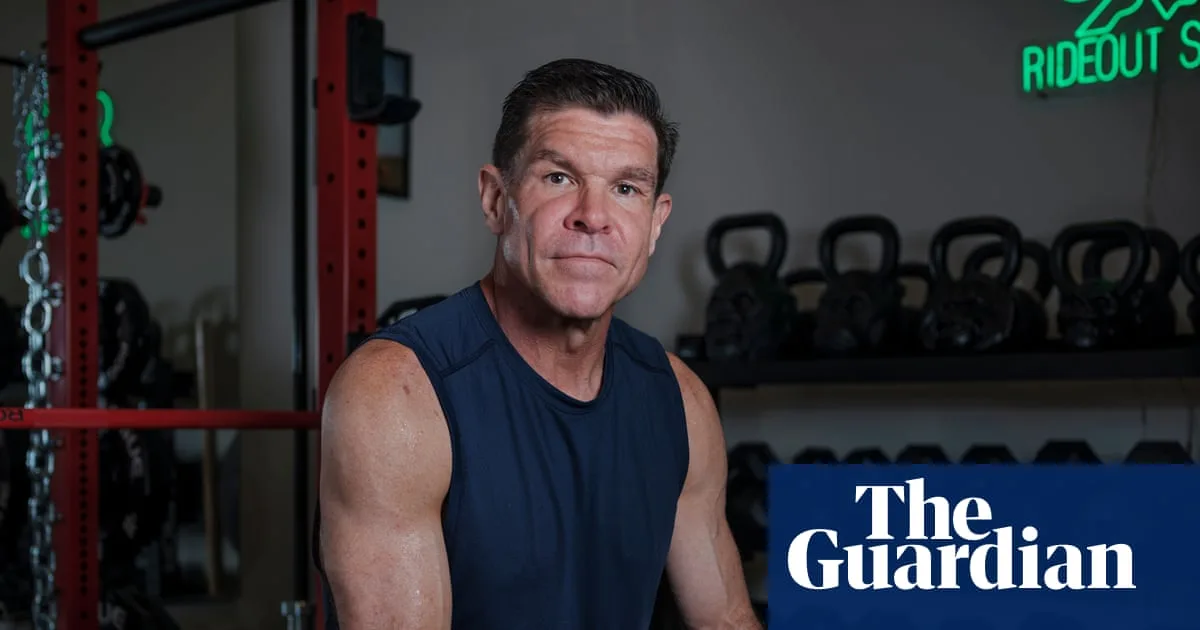
Ken Rideout's life story is a powerful testament to resilience and redemption. Once a high-flying commodity trader in New York, he battled a severe opioid addiction for over a decade before turning his life around to become one of the world's fastest marathon runners in his 50s. His journey, detailed in his memoir Everything You Want Is on the Other Side of Hard, offers a raw and honest look at addiction, recovery, and athletic triumph.
The Descent into Addiction
It all began in 1998 with a simple ankle pain. A podiatrist prescribed Percocet, an opioid medication containing oxycodone, which not only alleviated Rideout's physical discomfort but also masked his deep-seated anxiety and impostor syndrome. As a successful trader, he was no stranger to substances like alcohol and cocaine, but opioids provided a unique sense of happiness and confidence that quickly spiraled into dependency.
Rideout soon found himself altering prescriptions and targeting smaller pharmacies to feed his growing habit. When he moved to London for work in 1999, he hoped for a fresh start, but severe withdrawal symptoms led him to seek out OxyContin, a stronger opioid. Despite attempts at sobriety through Narcotics Anonymous and medications like Subutex, he struggled with relapses, eventually consuming 20 to 30 oxycodone tablets daily at his lowest point.
A Turning Point: Confession and Recovery
In the early 2000s, Rideout met Shelby, a model who would become his wife. Thrilled yet fearful, he hid his addiction from her, leading to profound feelings of fraudulence and suicidal thoughts. The pivotal moment came in 2010 when the couple planned to adopt a baby girl from Ethiopia. Thirty days before the trip, Rideout checked into an outpatient detox facility in New York, determined to get sober for fatherhood.
The detox process was brutal. Rideout experienced intense depression, sweats, and self-loathing, culminating in a collapse where he passed out in his bathroom, waking to find Shelby cradling his head in tears. This incident forced him to confess everything to his wife, marking the beginning of his recovery. With Shelby's support and treatments like Vivitrol, he has remained largely sober since, with only minor relapses triggered by stress or injuries.
Rise to Athletic Stardom
After achieving sobriety, Rideout channeled his energy into endurance sports. Always athletic, he began running 10 miles daily and competing in marathons and Ironman contests. Despite a setback at the 2012 Ironman world championship in Hawaii, where he quit mid-race, he vowed never to give up again. Working with a trainer, he set a personal best marathon time of 2:28:25 and now tops categories for runners over 40 and 50, including a recent victory at the Austin half-marathon with a time of one hour and 15 minutes.
Rideout credits running with restoring his identity and providing a healthy focus away from self-destructive behaviors. However, the journey hasn't been without challenges; competitions have sometimes led to depression and family strain, prompting him to seek therapy to address childhood trauma and emotional baggage.
Reflections on a Hard-Fought Journey
Born in 1971 in Somerville, Massachusetts, Rideout grew up in a poor, abusive household, which fueled his drive to succeed but also left deep scars. He views sobriety as his greatest accomplishment, far surpassing his athletic achievements. "The only person that can save you is you," he emphasizes, accepting full responsibility for his past decisions while inspiring others with his story of transformation.