
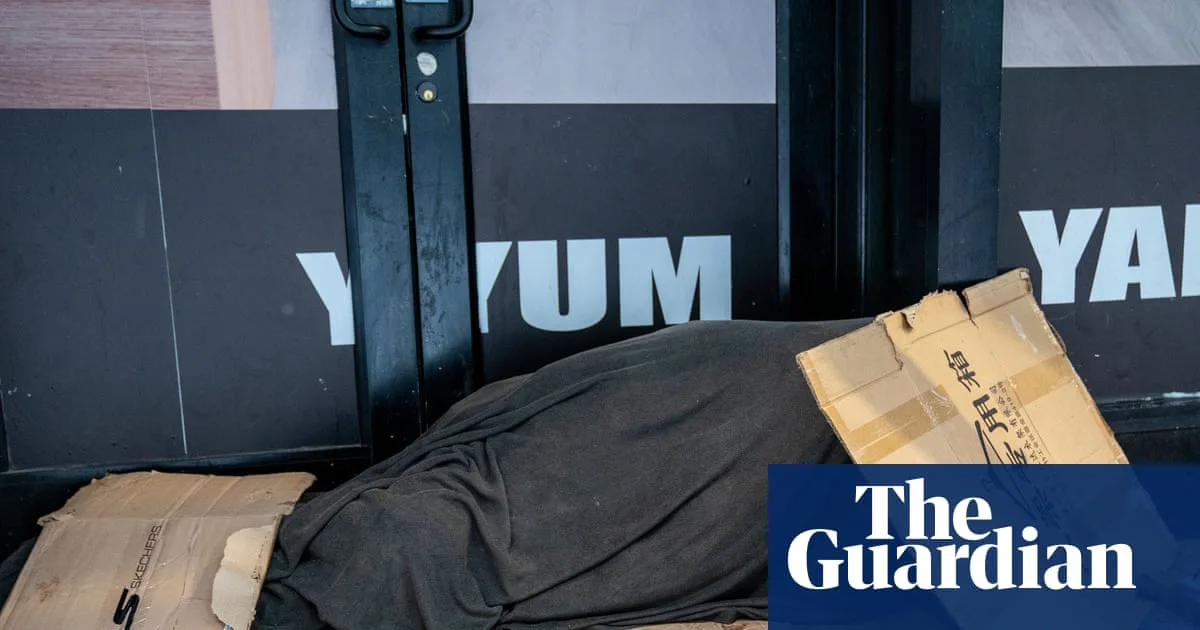
At least 10 people have died in freezing temperatures in New York City, as support groups warn of a lack of affordable housing and shelter capacity. The deaths occurred during a bitter cold spell in late January, when temperatures plunged across the US.
Juan De La Cruz, director of emergency relief services at the Coalition for the Homeless, described one man known as “Uncle” who refused to go to a shelter due to fear of attack. “I pray for the best, but I wouldn’t be surprised if it’s the worst,” De La Cruz said, noting that the man had not been seen in weeks.
Cold-related deaths often happen when people avoid shelters because of past bad experiences, said Dr Michael Liu of Brigham and Women’s Hospital. “That then leads to disastrous consequences when it’s frigid outside,” he added.
New York recorded an average of 30 cold-related deaths per year between 2018 and 2022, up from 14 in the previous five years. In November, more than 100,000 people slept in city shelters, compared to 68,000 in January 2020. On a single night in January 2025, over 4,500 people were unsheltered, up from fewer than 2,800 in 2016.
David Giffen, executive director of the Coalition, said the biggest problem is a lack of affordable housing. “People who are sleeping out in the subways and in parks and in doorways will get swept up and rounded up by the police … and then that day, or three days later, they are back out sleeping on subway platforms again,” he said. The city has enough shelter space, but not enough “safe haven” shelters for those with mental illness or cognitive disabilities.
Despite outreach efforts, six of the ten deceased had been connected to the city’s homeless services department, Mayor Zohran Mamdani said. The organisation continues to deploy vans distributing blankets, clothing and food, and offering warming buses to those reluctant to enter shelters.




