Nottingham Attack Survivor Demands Victim Involvement in NHS Trust Review
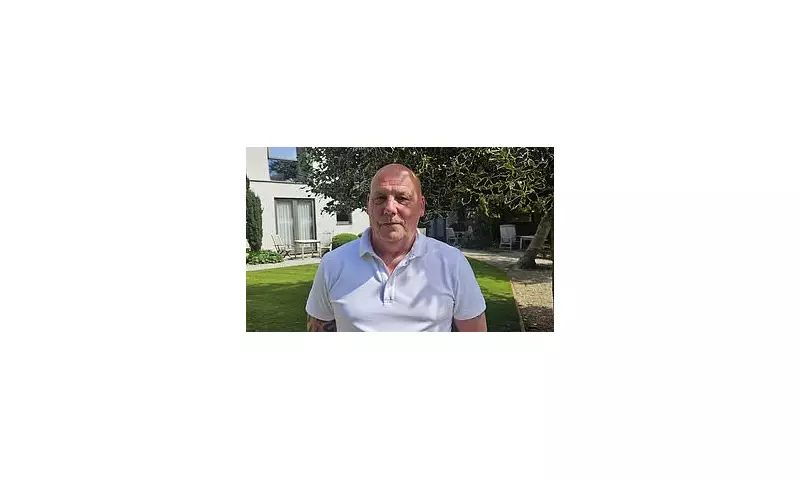
A survivor of the devastating Nottingham attacks that claimed three lives has voiced strong criticism over the exclusion of victims from a crucial care review of the NHS trust responsible for treating the perpetrator. Wayne Birkett, who was seriously injured during the June 2023 rampage, expressed his dismay at learning about a damning Care Quality Commission inspection through the media rather than being consulted directly.
Systemic Failures Revealed in Trust Inspection
The Care Quality Commission conducted thirty-nine inspections at Nottinghamshire Healthcare NHS Foundation Trust between May 2024 and August 2025, culminating in a comprehensive leadership review last September. The published report, which emerged in January, identified significant breaches of management regulations and mandated the trust to develop an immediate action plan. Among the trust's eighteen services, seven were rated as requiring improvement, including five critical mental health services.
The inspection findings revealed that conditions within the trust "were not always humane, dignified or gave high quality care" when treating patients. This assessment relates directly to the period between May 2020 and September 2022 when Valdo Calocane, diagnosed with schizophrenia, was under the trust's care before committing the horrific attacks.

Victim Exclusion from Critical Review Process
Mr Birkett, who continues to suffer from constant pain, debilitating headaches, and chronic fatigue following the attack, described the situation as "quite embarrassing" and expressed frustration at being kept in the dark. "I don't know why I wasn't involved or I wasn't warned about this before," he stated. "That's all I've got to say about that, really, because we should have been told, we should have been warned."
Greg Almond, the legal representative for Mr Birkett and fellow survivor Sharon Miller, echoed these concerns, describing the lack of notification as "shocking." He emphasised that his clients "should have been made aware of it, they should have been notified that this was coming out" rather than learning about the report through press coverage.
Calls for Systemic Reform and Government Action
The survivors and their legal team are now advocating for fundamental changes to how such reviews are conducted, insisting that victims must be included and their perspectives heard. This issue takes on particular urgency as they prepare for a meeting with Health Secretary Wes Streeting scheduled for February 5th.
Mr Birkett expressed cautious optimism about the upcoming meeting, stating simply: "Hopefully the man can help. Hopefully." His lawyer, Mr Almond, outlined clearer expectations: "I expect him to listen to our concerns. I expect him to set out a plan as to what the government intends to do."
Reflecting on the broader implications, Mr Almond stressed: "We don't want to have another tragedy on the streets of Nottingham or anywhere else in the country." He called for "a complete change... structural change of leadership" and urged government intervention, whether through additional resources or direct oversight.
Upcoming Public Inquiry and Ongoing Concerns
The public inquiry into the Nottingham attacks is scheduled to commence on February 23rd, with proceedings expected to span two years under the chairmanship of senior retired judge Deborah Taylor. Mr Almond expressed confidence that the inquiry would "deliver the answers that we need" through thorough investigation.
Meanwhile, Jenny Wilkes, the Care Quality Commission's interim director of mental health, extended "deepest sympathies to everyone affected by the devastating attack" and confirmed that the organisation has initiated contact with survivors' legal representatives to arrange meetings.
The case highlights ongoing tensions between institutional review processes and victim inclusion, raising fundamental questions about transparency, accountability, and patient safety within mental health services across the NHS.